Crow Pose – Bakasana
Introduction
Crow Pose, known in Sanskrit as Bakasana, is an arm-balancing yoga posture that challenges strength, balance, coordination, and concentration. In this pose, the practitioner balances the body on both hands while bending the elbows and resting the knees against the upper arms
Inspired by the shape of a crow perched on a branch, this posture requires the body to lean forward while the feet gradually lift away from the mat. Although Crow Pose may look challenging at first, it can be learned through patience, proper technique, and consistent practice
Bakasana primarily engages the wrists, arms, shoulders, core muscles, and upper back. It also encourages practitioners to develop confidence, body awareness, and mental focus while maintaining controlled breathing
Benefits of Crow Pose
Strengthens the Arms and Wrists
Crow Pose activates the muscles in the wrists, forearms, and arms as they support the body’s weight. Regular practice can help develop upper-body strength and stability
Builds Core Strength
The abdominal muscles engage to draw the knees inward and keep the body balanced above the hands. This helps develop core control and stability
Improves Balance and Coordination
Balancing on the hands requires precise weight distribution and coordination between the upper body, core, and legs
Develops Shoulder Stability
The shoulders and upper back work together to support the body and maintain a stable arm-balancing position
Improves Body Awareness
Practicing Crow Pose teaches you how to shift your center of gravity and recognize how small adjustments affect your balance
Builds Confidence and Concentration
Learning to lift both feet from the floor can help develop patience, focus, and confidence in your yoga practice
How to Perform Crow Pose
Starting Position
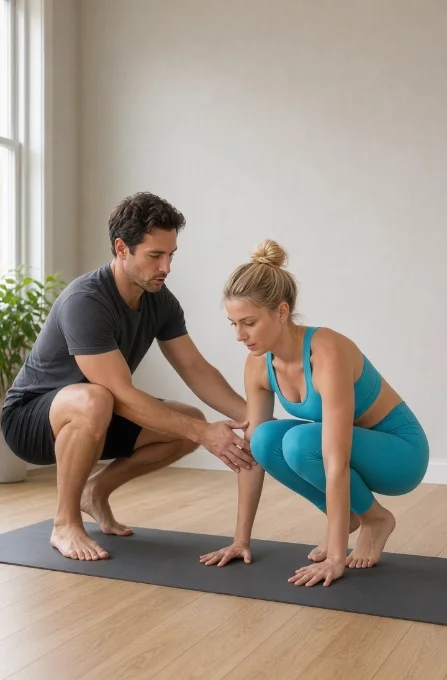
Begin in a low squat position on your yoga mat with your feet approximately hip-width apart
Keep your heels on the floor if comfortable, or place a folded blanket underneath them if they do not reach the mat
Separate your knees slightly wider than your hips
Place both palms flat on the mat in front of your feet, approximately shoulder-width apart
Spread your fingers wide and press firmly through the entire surface of your palms
Bend your elbows slightly and position your knees against the backs of your upper arms, close to your armpits
Look slightly forward rather than directly down at your hands
Step-by-Step Instructions
Inhale slowly and prepare your body by engaging your abdominal muscles
Press your palms firmly into the mat and spread your fingers to create a stable foundation
Bend your elbows slightly backward while keeping them aligned over your wrists
Bring your knees onto the backs of your upper arms, one at a time if necessary
Shift your upper body forward gradually, allowing your shoulders to move slightly beyond your wrists
Engage your core muscles and begin transferring more of your body weight into your hands
Lift one foot gently off the floor while keeping your gaze focused slightly forward
When you feel stable, slowly lift the other foot and bring your big toes together
Draw your heels toward your hips and gently round your upper back to maintain balance
Keep your elbows bent and stable rather than allowing them to spread outward
Press firmly through your fingertips to make small adjustments and prevent your body from tipping forward
Maintain steady breathing while balancing on both hands
To release, slowly lower one foot and then the other back onto the mat
Return to your squat position and gently shake out your wrists
Duration and Breathing
Hold Crow Pose for approximately 5 to 15 seconds when first learning the posture
With consistent practice, gradually work toward holding the position for 20 to 30 seconds or longer if comfortable
Inhale before shifting your weight forward and preparing to lift your feet
Exhale gently as you engage your core and bring your feet off the floor
Continue breathing slowly and steadily while maintaining your balance
Avoid holding your breath or creating unnecessary tension in your face and shoulders
Beginners can practice lifting one foot at a time before attempting to balance with both feet raised
Important Tips and Precautions
Warm up your wrists, shoulders, arms, and core before attempting Crow Pose
Spread your fingers wide and distribute your weight across both hands rather than placing all the pressure on your wrists
Keep your elbows pointing backward and avoid letting them flare outward
Engage your abdominal muscles to support your body and reduce unnecessary strain on your arms
Look slightly forward to help maintain balance instead of dropping your head toward the floor
Place a folded yoga blanket or cushion in front of your hands to provide a softer landing area while learning
Practice near the floor and avoid jumping into the posture
Do not force your knees too high onto your arms if your body is not ready
Stop practicing if you experience sharp pain, numbness, or significant discomfort in your wrists, elbows, or shoulders
People with wrist, elbow, or shoulder injuries should avoid this posture until they have received appropriate professional guidance
Conclusion
Crow Pose is an empowering arm-balancing posture that develops strength, coordination, balance, and concentration
Although it may seem difficult at first, the pose becomes more accessible when practiced through gradual weight shifts, controlled movements, and proper alignment
With patience, consistent training, and mindful breathing, Bakasana can become an exciting milestone in your yoga journey
