Warrior III – Virabhadrasana III
Introduction
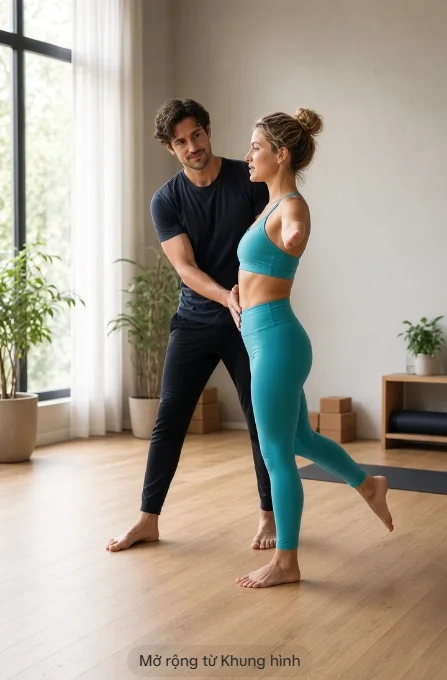
Warrior III, known in Sanskrit as Virabhadrasana III, is a standing balance yoga posture that combines strength, stability, flexibility, and concentration. In this pose, the practitioner balances on one leg while extending the opposite leg straight backward, creating a long, horizontal line from the fingertips through the torso to the lifted heel
Inspired by the strength and determination of the warrior, this posture challenges the body to remain steady while maintaining proper alignment. Both arms can extend forward alongside the ears, with the palms facing each other, while the standing leg supports the entire body
Warrior III activates the legs, glutes, core muscles, back, and shoulders. It also encourages better body awareness, balance, and coordination. Although it can be challenging for beginners, the posture can be modified by using a wall, yoga blocks, or keeping the hands on the hips
Benefits of Warrior III
Strengthens the Legs
Warrior III activates the quadriceps, hamstrings, calves, and ankle muscles of the standing leg, helping develop lower-body strength and stability
Builds Core Strength
The abdominal and deep core muscles engage to keep the torso steady and prevent the body from collapsing or twisting
Improves Balance and Coordination
Balancing on one leg while extending the other leg backward challenges the body’s ability to maintain stability and controlled movement
Strengthens the Glutes and Hips
The lifted leg engages the gluteal muscles and hip stabilizers, while the standing hip works to maintain proper alignment
Improves Postural Awareness
The horizontal position of the torso encourages awareness of spinal alignment, shoulder positioning, and the relationship between the hips and legs
Develops Focus and Concentration
Maintaining this posture requires attention, patience, and steady breathing, helping improve mental focus during yoga practice
Encourages Full-Body Engagement
Warrior III works several muscle groups simultaneously, creating a challenging posture that combines strength, flexibility, and balance
How to Perform Warrior III
Starting Position
Begin standing upright on your yoga mat with your feet hip-width apart
Distribute your body weight evenly across both feet
Keep your spine tall, shoulders relaxed, and arms resting naturally beside your body
Look straight ahead at a fixed point to help maintain balance
Engage your abdominal muscles gently and prepare to shift your weight onto one leg
Step-by-Step Instructions
Inhale slowly and shift your body weight onto your right foot
Keep your right knee slightly soft rather than locking it completely
As you exhale, begin hinging forward from your hips while extending your left leg straight backward
Allow your torso to move forward as your lifted leg rises behind you
Continue lifting your left leg until your torso and lifted leg are approximately parallel to the floor
Keep your hips level and avoid allowing the lifted hip to rotate outward
Extend both arms forward alongside your ears with your palms facing each other
Alternatively, bring your hands together at your chest or rest them on your hips if you need an easier variation
Lengthen your spine from the crown of your head toward your tailbone
Reach your fingertips forward while pressing your lifted heel backward to create a long line through your body
Keep your standing foot firmly grounded and distribute your weight across the heel and the base of your toes
Engage your core muscles and maintain a steady gaze at a fixed point on the floor
Hold the position while breathing slowly and naturally
To release, gradually lower your lifted leg and raise your torso back to a standing position
Return both feet to the mat and pause before repeating the posture on the opposite side
Duration and Breathing
Hold Warrior III for approximately 15 to 30 seconds on each side, depending on your balance and experience
Beginners can start with 5 to 10 seconds and gradually increase the holding time as their strength and stability improve
Inhale as you lengthen your spine and prepare to enter the posture
Exhale as you hinge forward and lift your back leg
Continue breathing steadily while maintaining the horizontal alignment of your torso and lifted leg
Avoid holding your breath or creating unnecessary tension in your shoulders and neck
Return to a standing position slowly and take a few comfortable breaths before switching sides
Important Tips and Precautions
Keep your standing knee slightly bent if you feel discomfort or instability
Avoid locking the standing knee or allowing it to collapse inward
Keep your hips facing the floor and maintain a level pelvis
Do not lift your back leg higher than your hips if doing so causes your lower back to arch excessively
Keep your neck aligned with your spine and avoid lifting your head too high
Engage your abdominal muscles to support your lower back
Maintain a soft, steady gaze to improve balance
If you find it difficult to balance, practice near a wall or place your fingertips on yoga blocks for support
Avoid rushing into the posture or making sudden movements
If you experience sharp pain, dizziness, or significant discomfort, gently return to a standing position
People with significant ankle, knee, hip, or lower-back injuries should seek guidance from a qualified yoga instructor or healthcare professional before practicing
Conclusion
Warrior III is a powerful standing balance posture that develops strength, stability, coordination, and concentration
By balancing on one leg while extending the opposite leg backward, practitioners learn to engage the entire body and maintain controlled alignment
With regular practice, gradual progression, and mindful breathing, Virabhadrasana III can help build confidence, improve balance, and strengthen the body as part of a well-rounded yoga routine
