Pigeon Pose – Eka Pada Rajakapotasana
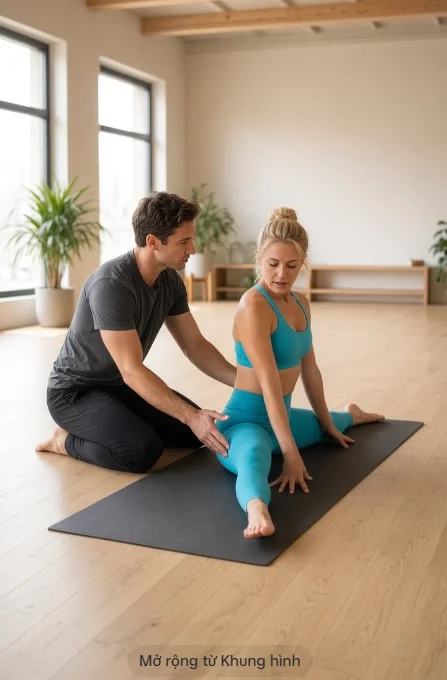
Introduction
Pigeon Pose, also known as Eka Pada Rajakapotasana, is a popular yoga posture that deeply stretches the hips, glutes, and thighs while improving lower-body flexibility and mobility
This pose involves bringing one leg forward with the knee bent and the foot positioned across the body, while extending the opposite leg straight behind you
Pigeon Pose helps release tension in the hip area, stretches the hip flexors, and encourages relaxation through slow breathing and mindful movement
Benefits of Pigeon Pose
Opens the hips and improves hip mobility
Stretches the glutes and outer hip muscles
Lengthens the hip flexors and quadriceps of the back leg
Improves flexibility in the thighs and lower body
Helps release tension around the hips and pelvis
Encourages relaxation and body awareness
Improves mobility and flexibility through regular practice
Supports better movement and flexibility in the lower body
How to Perform Pigeon Pose
Starting Position
Begin on your hands and knees on a yoga mat in a tabletop position
Place your hands directly beneath your shoulders and your knees beneath your hips
Keep your spine neutral and your neck relaxed
Engage your core gently to stabilize your body
Step-by-Step Instructions
Bring your right knee forward toward your right wrist
Position your right ankle comfortably in front of your left hip, with the shin angled according to your flexibility
Slowly slide your left leg backward and extend it straight behind you
Keep the top of your left foot resting on the mat
Square your hips as comfortably as possible toward the front of the mat
Place your hands on the floor beside your hips for support
Keep your chest lifted and lengthen your spine
If comfortable, slowly walk your hands forward and lower your upper body toward the mat
Rest your forearms or forehead on the floor if your flexibility allows
Breathe deeply and relax your hips without forcing the stretch
Slowly walk your hands back and return to the starting position
Repeat the pose on the opposite side
Duration and Breathing
Hold the pose for 30–60 seconds on each side
Repeat 1–2 times depending on your flexibility and comfort level
Inhale to lengthen your spine and lift your chest
Exhale as you relax into the hip stretch
Maintain slow, deep, and controlled breathing throughout the pose
Important Tips and Precautions
Keep your hips supported and avoid forcing them toward the floor
Place a folded blanket or yoga block under the hip of your bent front leg if needed
Keep your front foot in a comfortable position
Avoid forcing your front shin to become parallel with the front edge of the mat
Maintain a neutral spine and avoid collapsing your lower back
Do not push through sharp pain or intense pressure in the knee
Keep the back leg extended comfortably behind you
Use a reclining Figure Four stretch as an alternative if Pigeon Pose causes knee discomfort
Practice carefully if you have existing hip, knee, or lower-back injuries
Stop if you experience sharp pain, numbness, or discomfort
Conclusion
Pigeon Pose is an effective yoga posture for improving hip flexibility, stretching tight glute muscles, and releasing tension in the lower body
Practicing this pose regularly with proper alignment, gentle movement, and controlled breathing can help improve hip mobility, increase flexibility, and promote relaxation and body awareness
