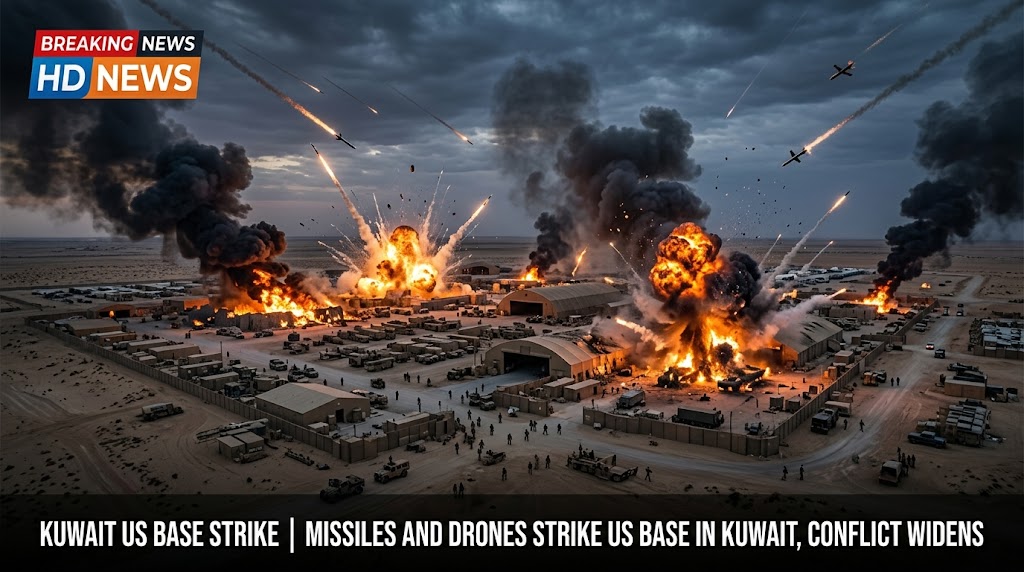
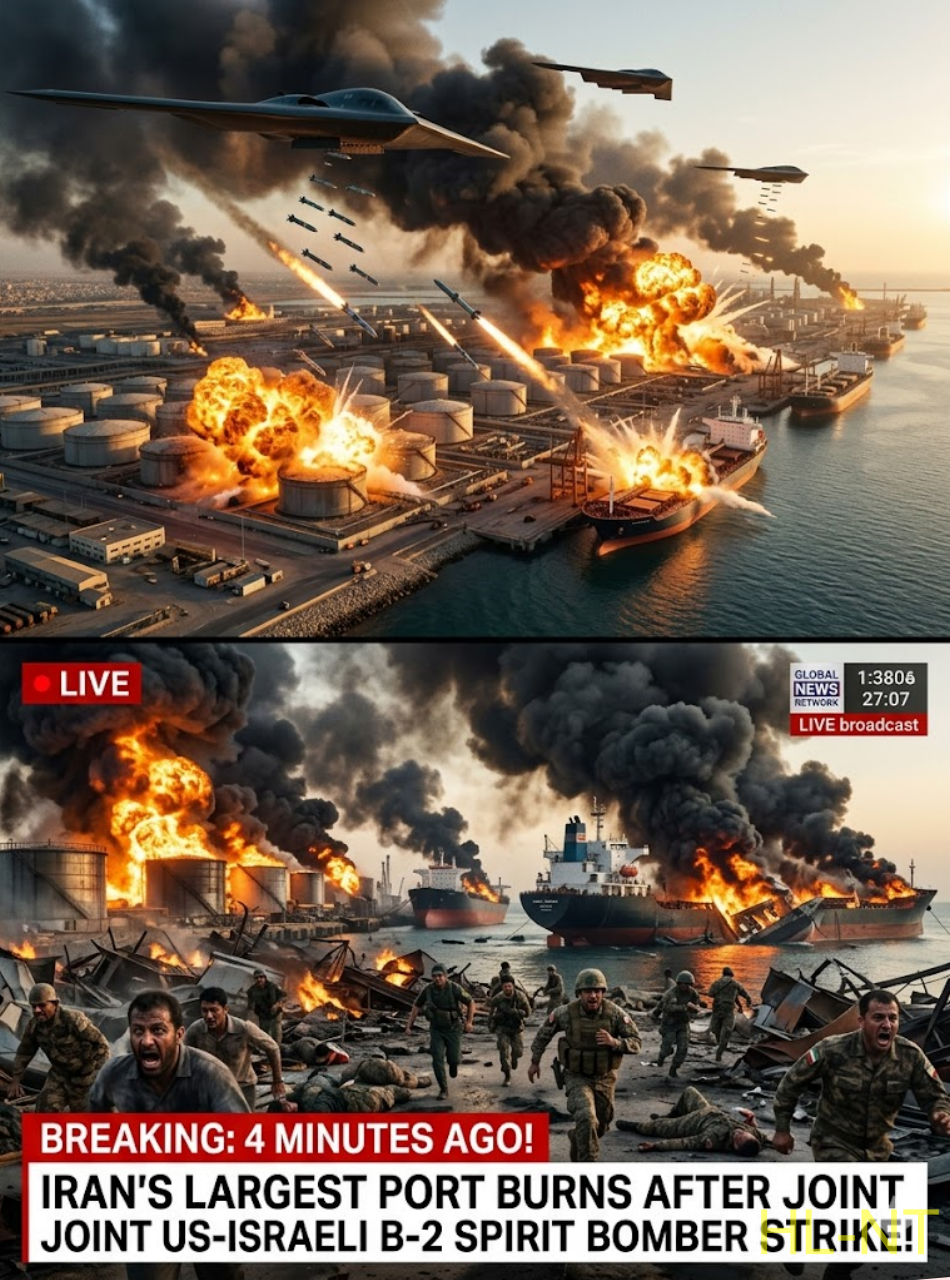
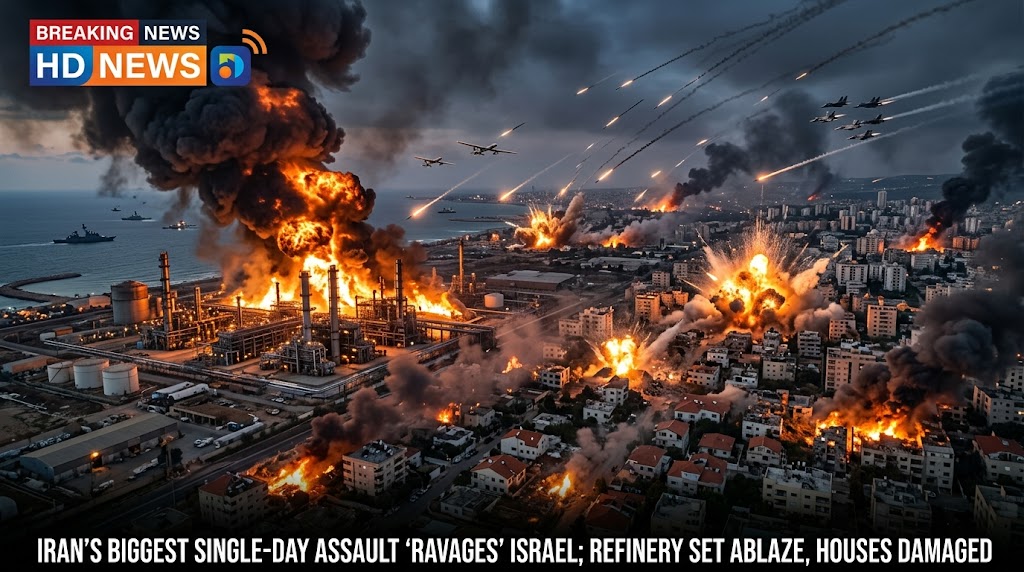
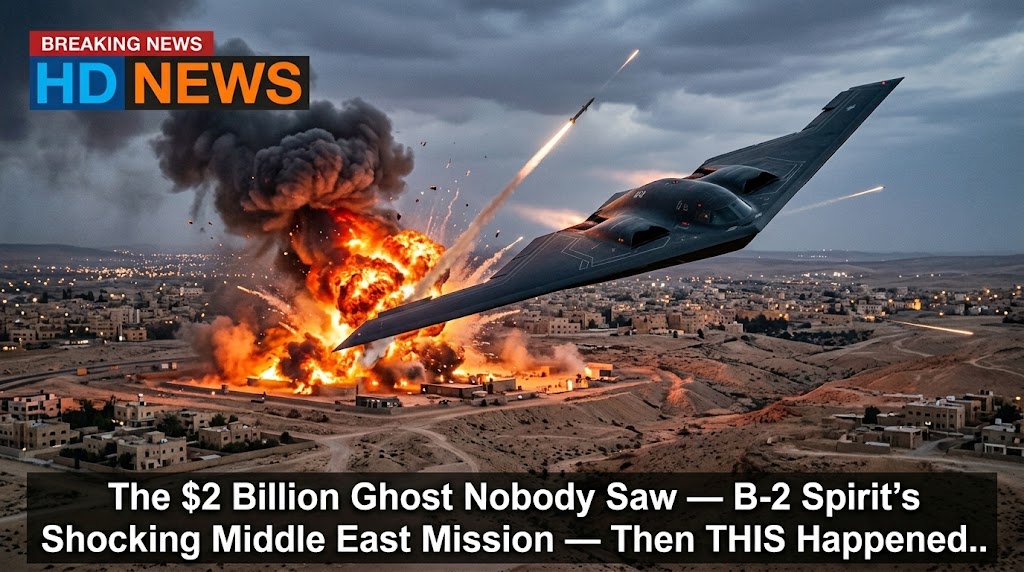
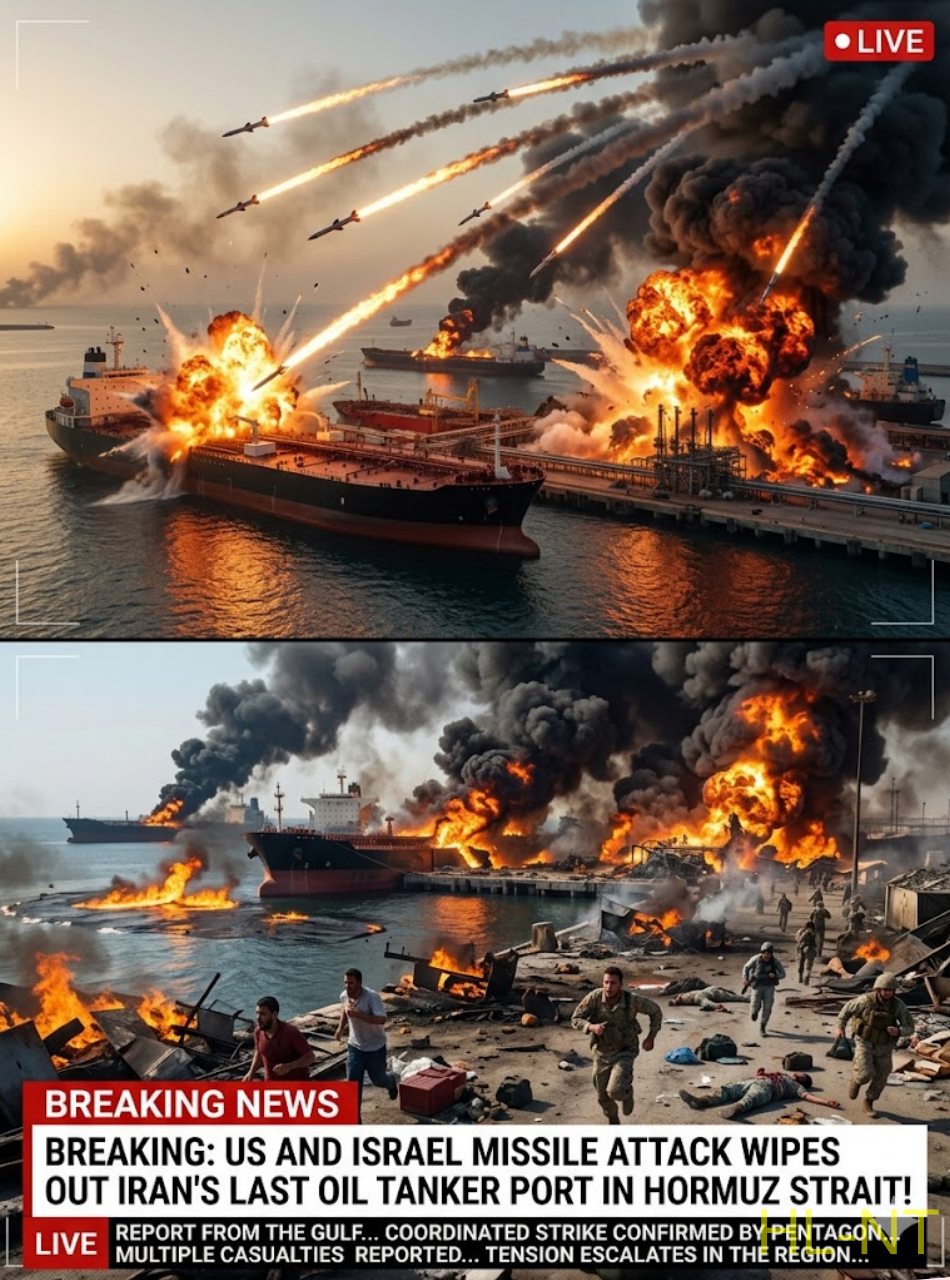
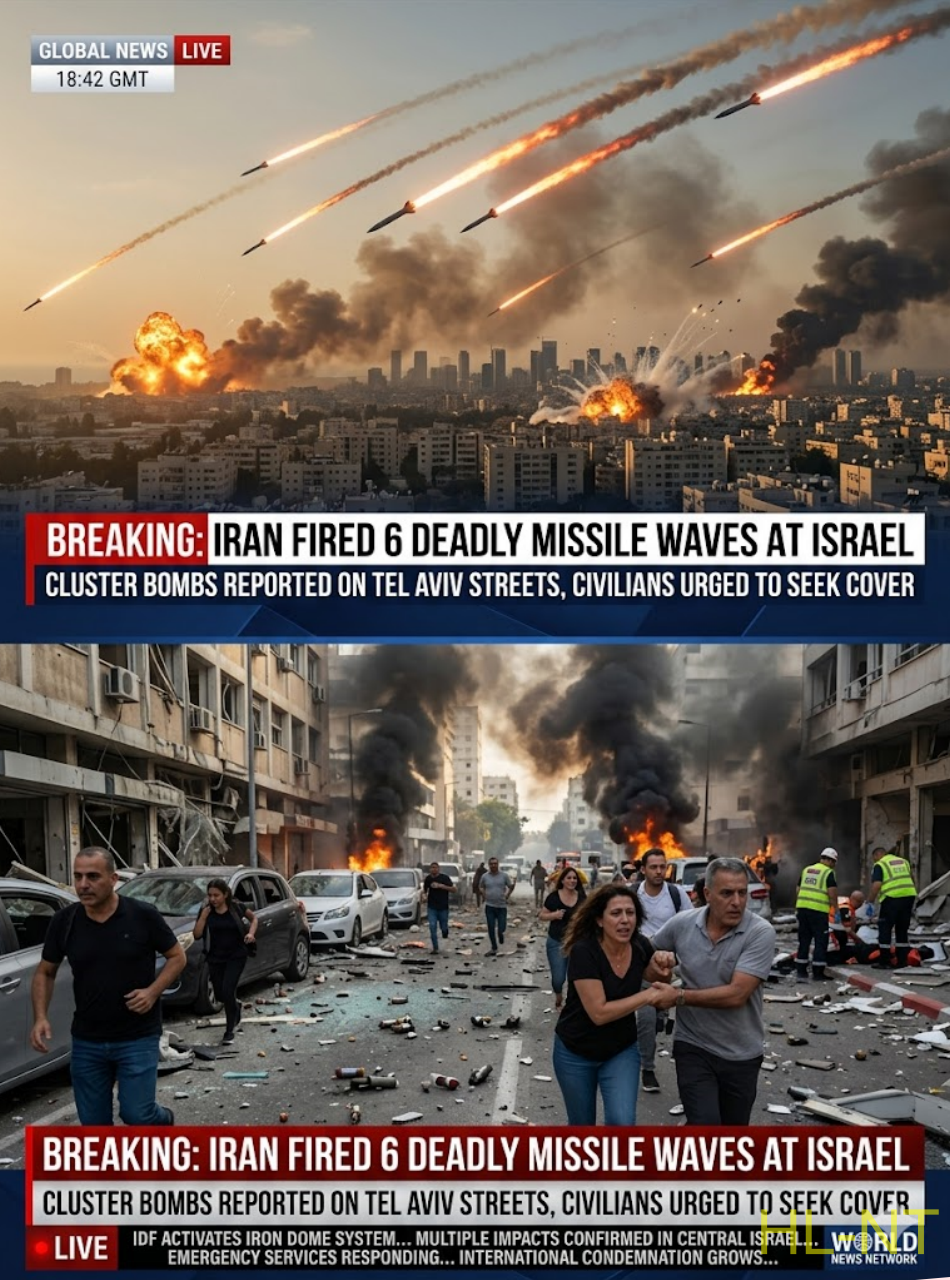
The first strikes didn’t end the conflict.
They multiplied it.
Within hours, the Middle East was no longer a battlefield — it was a chain reaction.
Missiles crossed borders that had once held fragile peace. Air defense systems fired in every direction, lighting the sky like a storm of fire. Cities that had slept through distant wars now woke to the sound of sirens and distant thunder.
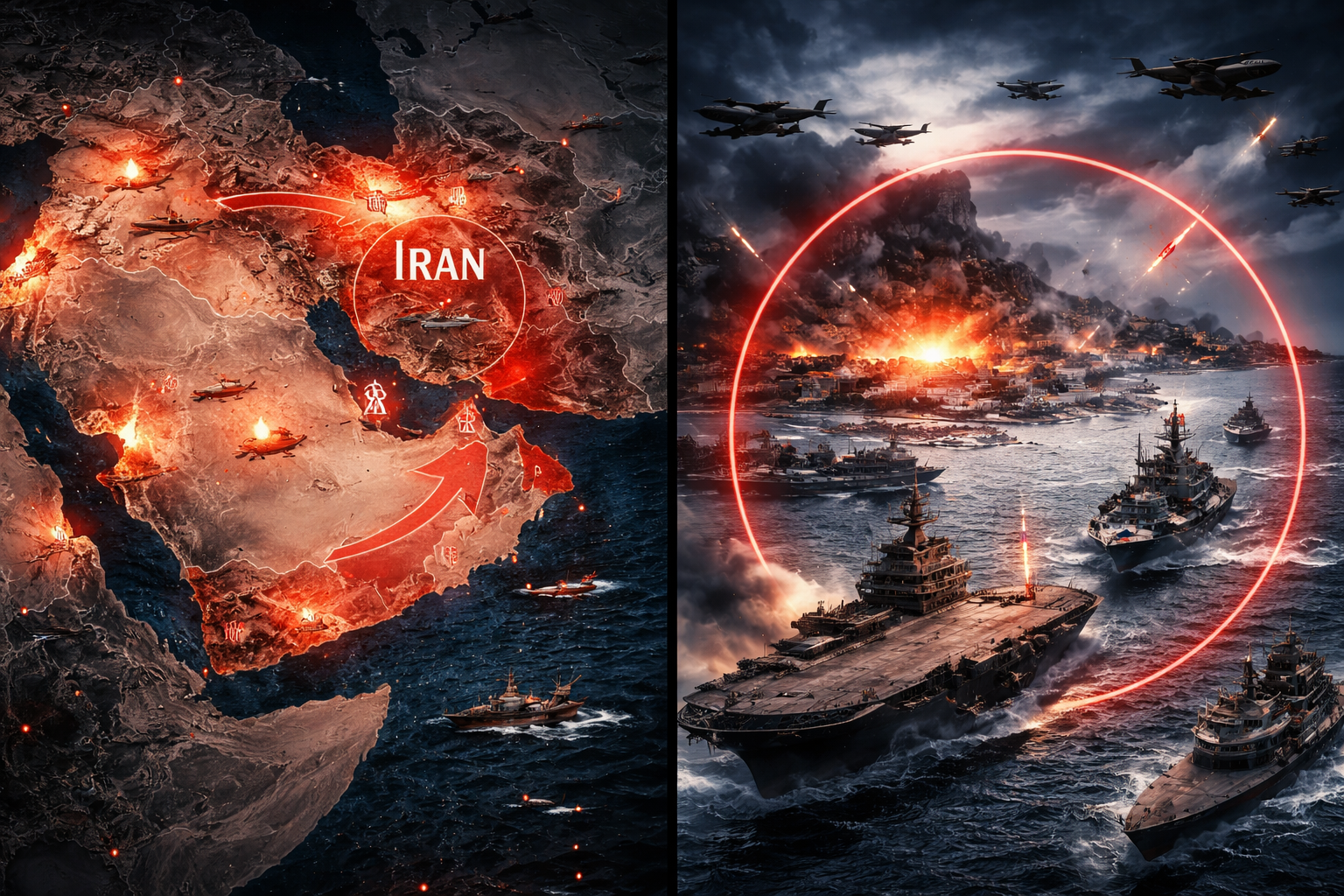
Across the region, alliances began to shift.
Forces mobilized not just in response — but in anticipation.
Naval fleets surged into strategic waters. Warships formed defensive lines across key chokepoints, where a single miscalculation could disrupt global trade. The flow of oil — the lifeline of modern economies — became a weapon.
In the north, a major power deployed forces under the banner of “stability,” while intelligence networks reported rapid military buildup across multiple fronts. Satellites tracked movements in real time, but the speed of escalation outpaced analysis.
Airspace turned hostile.
Civilian flights vanished from radar routes.
Communication networks flickered under pressure.
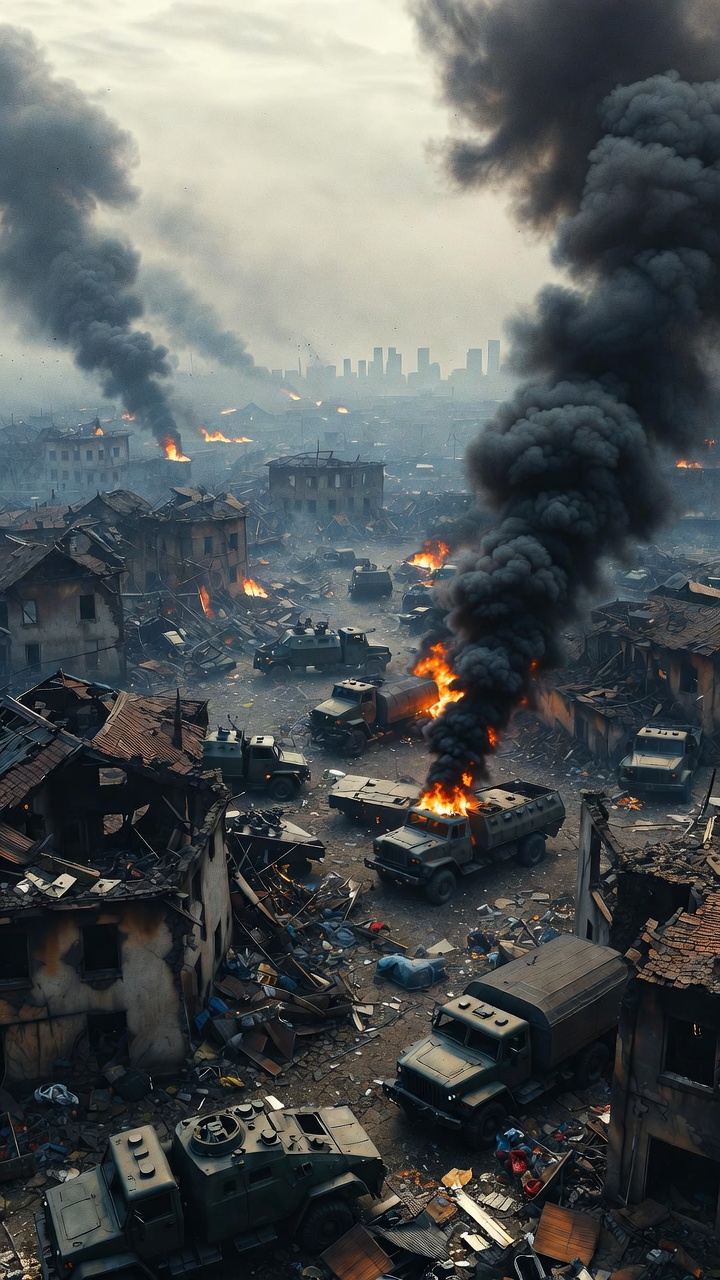
And far beyond the region, other nations began preparing — not for peace, but for involvement.
What began as a conflict between a few…
was now pulling in the many.
By nightfall, one truth became impossible to ignore:
This was no longer a regional war.
This was the beginning of global alignment for war.