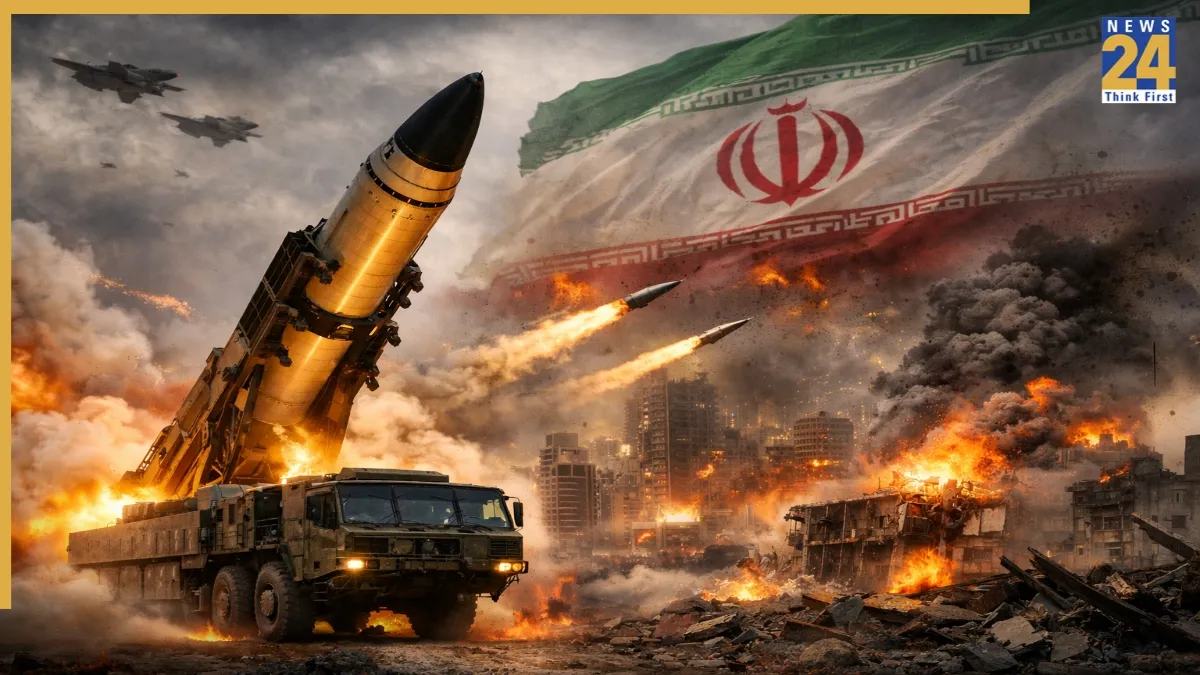
This weekend, after Israel and the United States ᴀssᴀssinated Ayatollah Ali Khamenei, the Iranian government promised vengeance, swearing to “strike you with such painful blows that you will beg for mercy.” Across the Middle East, a network of Iranian allies known as the Axis of Resistance went on notice. The paramilitary group Hezbollah was the first to act—despite pleas from the Lebanese government to stay out of the war.
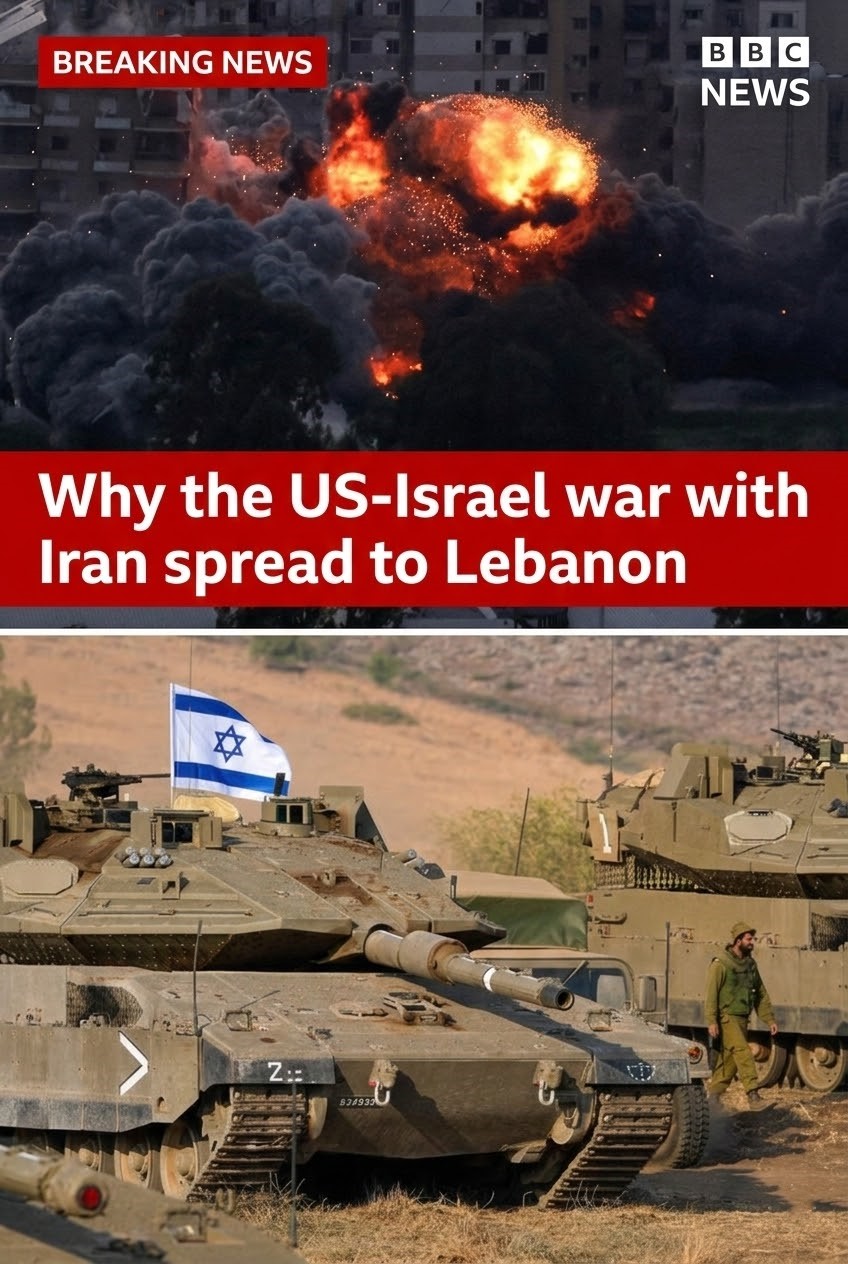
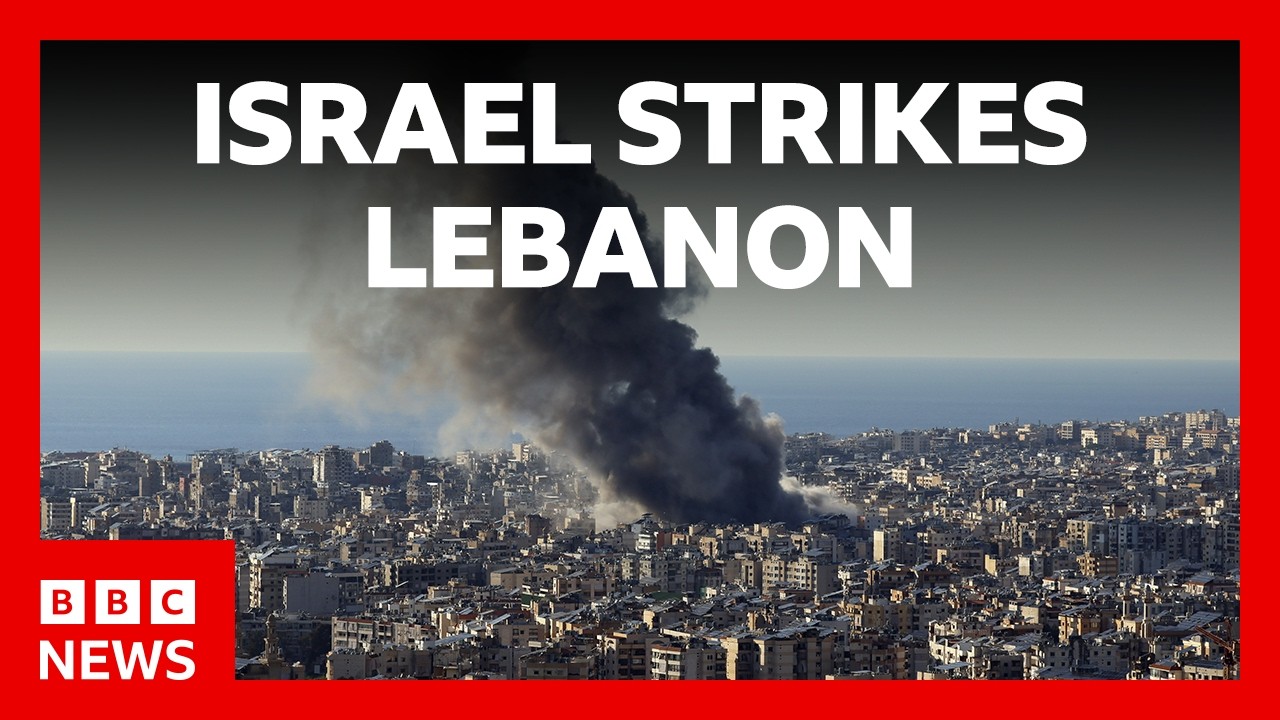
Hezbollah had been quiescent since November, 2024, when it agreed to a ceasefire with Israel that ended a vicious fourteen-month conflict; during the ceasefire, Hezbollah had carried out one attack, while Israel had sent thousands of drones over the border and launched near-daily strikes that killed more than three hundred and fifty Lebanese, including children. On Sunday, at around midnight Beirut time, Hezbollah sent what it described as a “barrage of precision missiles and a swarm of drones” toward an Israeli missile-defense site south of Haifa. The projectiles failed to reach their target, but the Israeli military struck back fiercely. After issuing evacuation notices for fifty-three towns in southern Lebanon, it pummelled targets from the border to the southern suburbs of Beirut. By daybreak, the death toll was at least thirty-one.
On Monday, after an emergency cabinet session, Prime Minister Nawaf Salam, visibly irate, told reporters that Hezbollah had mounted its attack in defiance of “the majority of the Lebanese.” The cabinet adopted a stricture “prohibiting any military or security activity by Hezbollah, deeming them illegal and obligating the party to surrender its weapons to the Lebanese state.” Security forces were ordered to apprehend anyone who attempted military activities from southern Lebanon. The country’s President, General Joseph Aoun, added that Hezbollah had given Israel “an excuse” to attack Lebanon, saying, “Those who launched the rockets bear sole responsibility.”
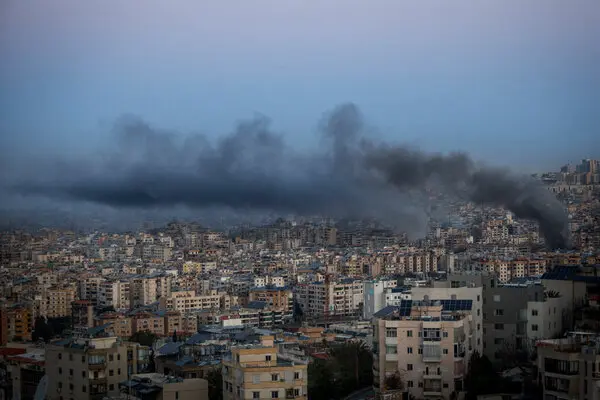
Even Hezbollah’s closest ally, the speaker of parliament, Nabih Berri, supported the cabinet’s decisions.
Mohammad Raad, the head of Hezbollah’s parliamentary bloc, responded that evening. The Lebanese, he claimed, “were expecting a resolution to prohibit aggression, but instead are faced with a resolution prohibiting resistance to aggression.” He argued that, given the state’s “impotence” against Israeli incursions, there was “no justification” for censuring Hezbollah, and he warned the government against “creating additional problems that would fuel the state of boiling tension.”