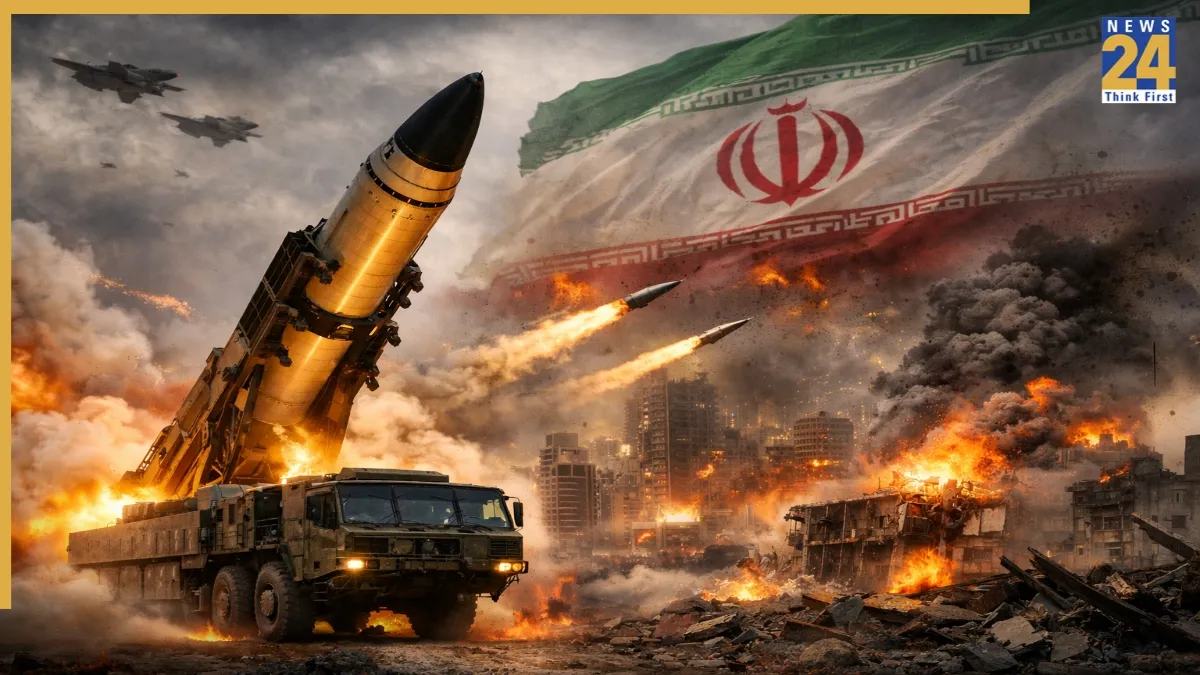
On February 28, the United States and Israel launched a large-scale offensive against Iran after weeks of military buildup and threats from President Trump. In a Truth Social post, Trump said the goal of the operation is to prevent Iran from obtaining a nuclear weapon and “to defend the American people by eliminating imminent threats from the Iranian regime.” Trump urged Iranians to capitalize on the attack as the “only chance for generations” to take over their government. Trump and Israeli officials later confirmed that Israel Defense Force (IDF) strikes on Tehran killed Iranian Supreme Leader Ayatollah Ali Khamenei.
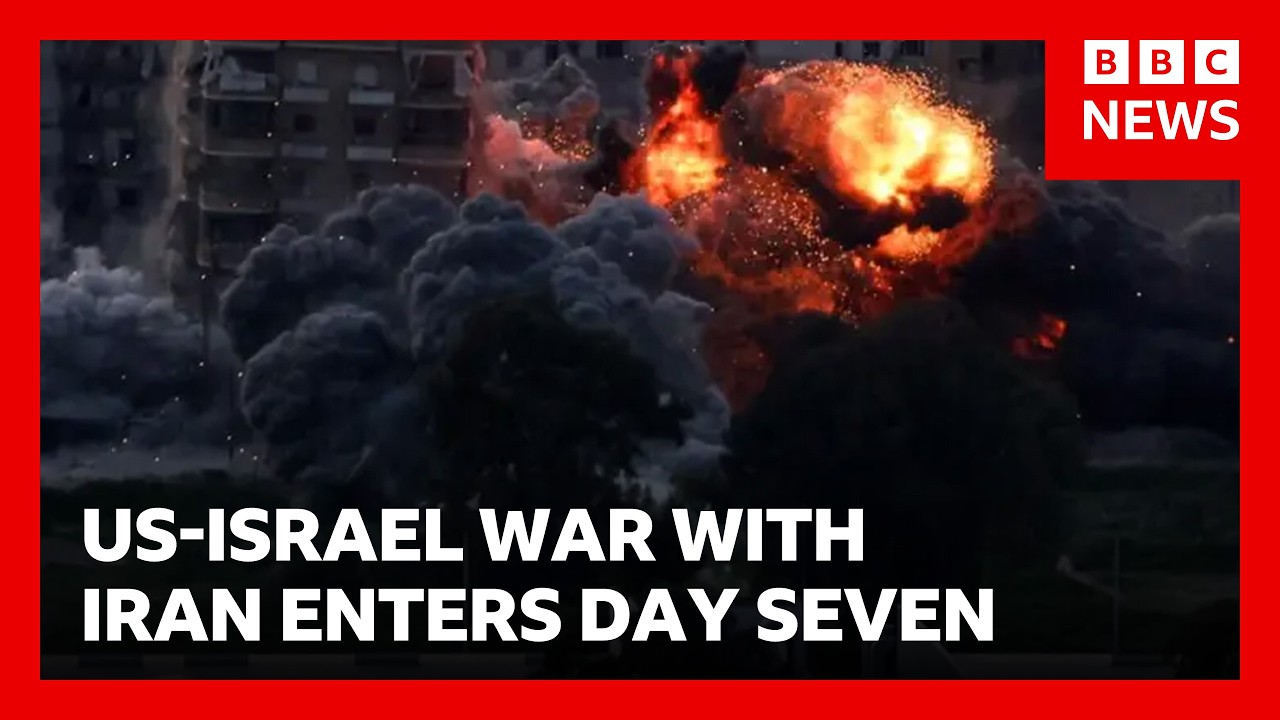
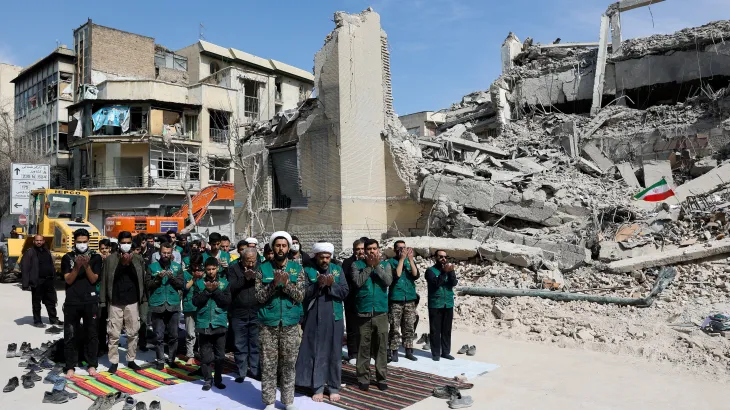
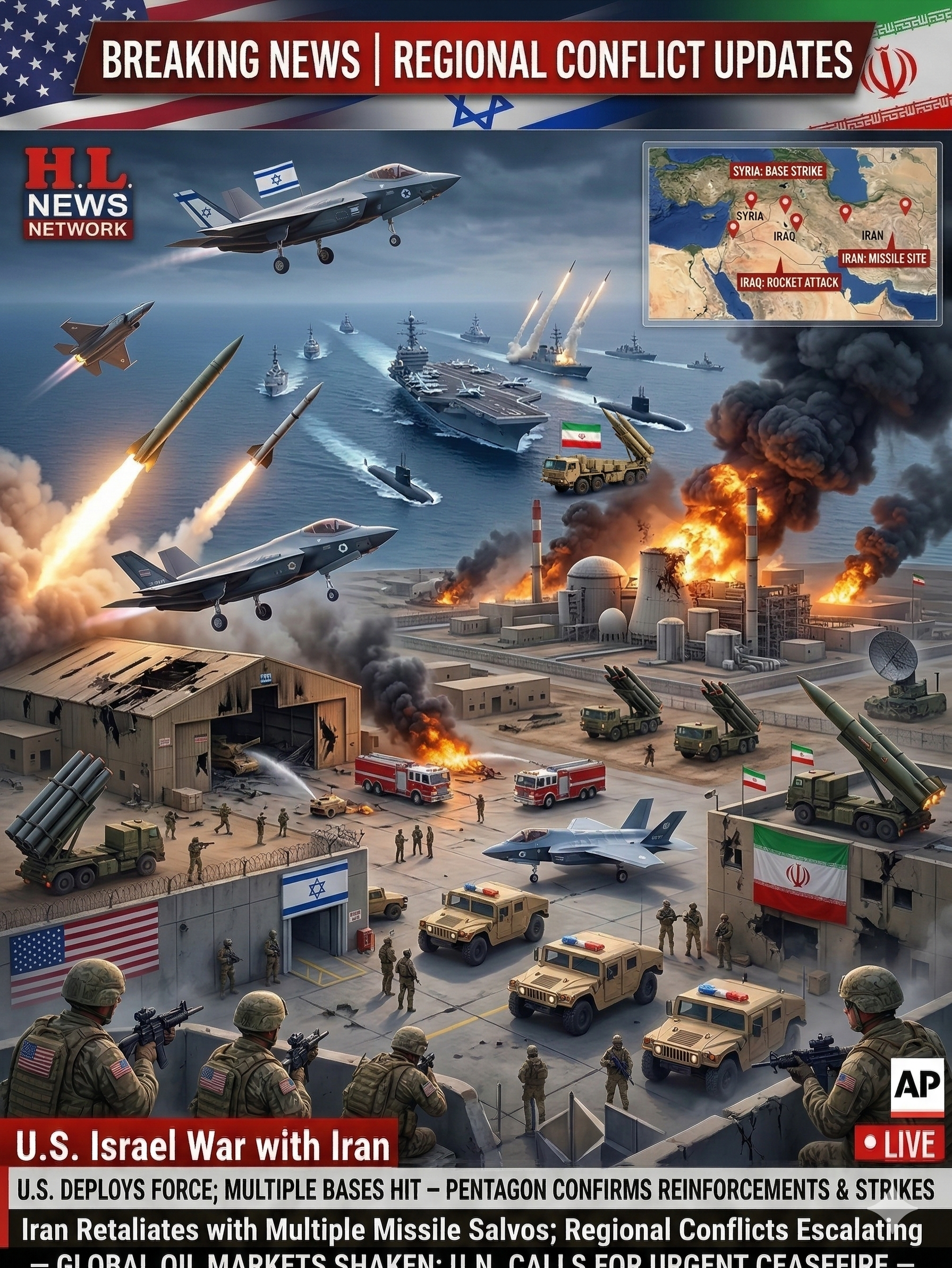
Additional U.S. strikes targeted military sites in Isfahan, Karaj, Kermanshah, Qum, and Tabriz. Iran quickly retaliated by firing ballistic missiles at Israel and U.S. facilities across the Middle East, including in Bahrain, Kuwait, Qatar, and the United Arab Emirates.
Iran has pursued a nuclear program since at least 1957, with varying degrees of success. During a war with Iraq, Iran decided to develop nuclear weapons to ensure its security in the late 1980s.
Consequently, Iran pursued agreements with China and Russia to support the program’s research throughout the 1990s. In the summer of 2002, the National Council of Resistance of Iran, an umbrella organization made up of Iranian dissident groups, exposed the existence of two Iranian nuclear sites that were hidden from the IAEA.