Iran War Live Updates: U.S. and Iran Send Conflicting Signals on Peace Prospects
President Trump said talks were underway. A top Iranian official denied that, while other Iranians said messages were being traded through intermediaries.
Conflicting signals from leaders of the United States, Iran and Israel on Monday left a murky picture of whether peace talks were underway, and what prospects there were for ending the war in the Middle East any time soon.
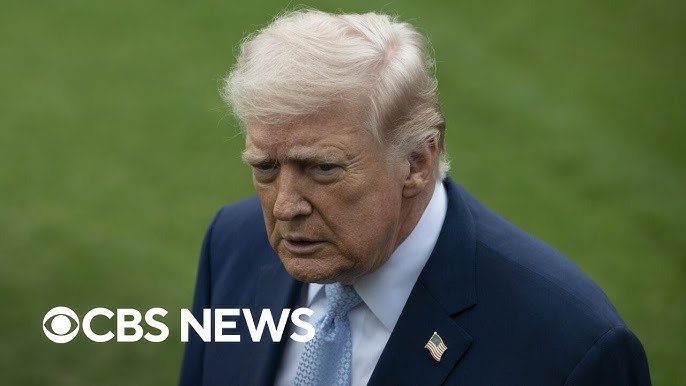
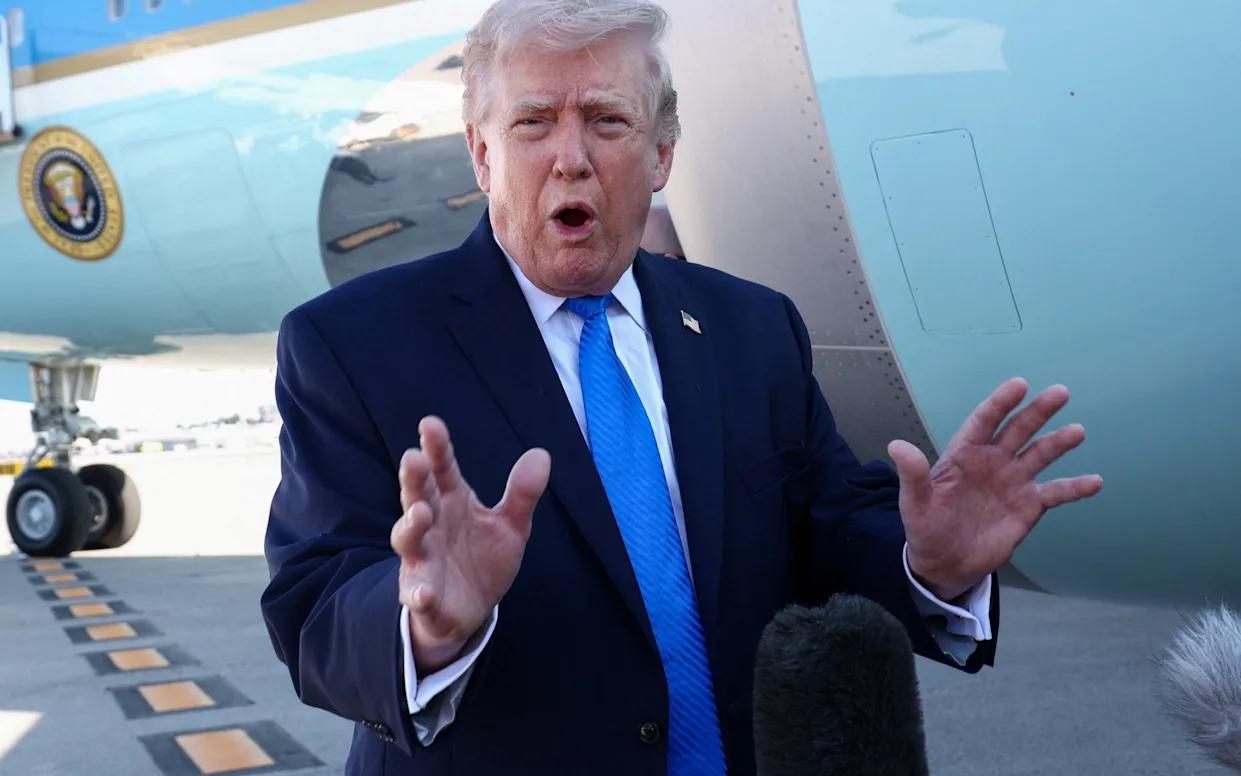
President Trump told reporters that the United States and Iran were engaging in “very strong talks” toward resolving the war that began on Feb. 28, which had produced “many, like 15 points,” of agreement. He said he was postponing until Friday his threat to attack Iranian power plants while talks take place.
The speaker of Iran’s Parliament denied on social media that any such negotiations were underway, accusing Mr. Trump of issuing false statements to calm rattled energy markets. Iranian officials said their country would continue to fight.
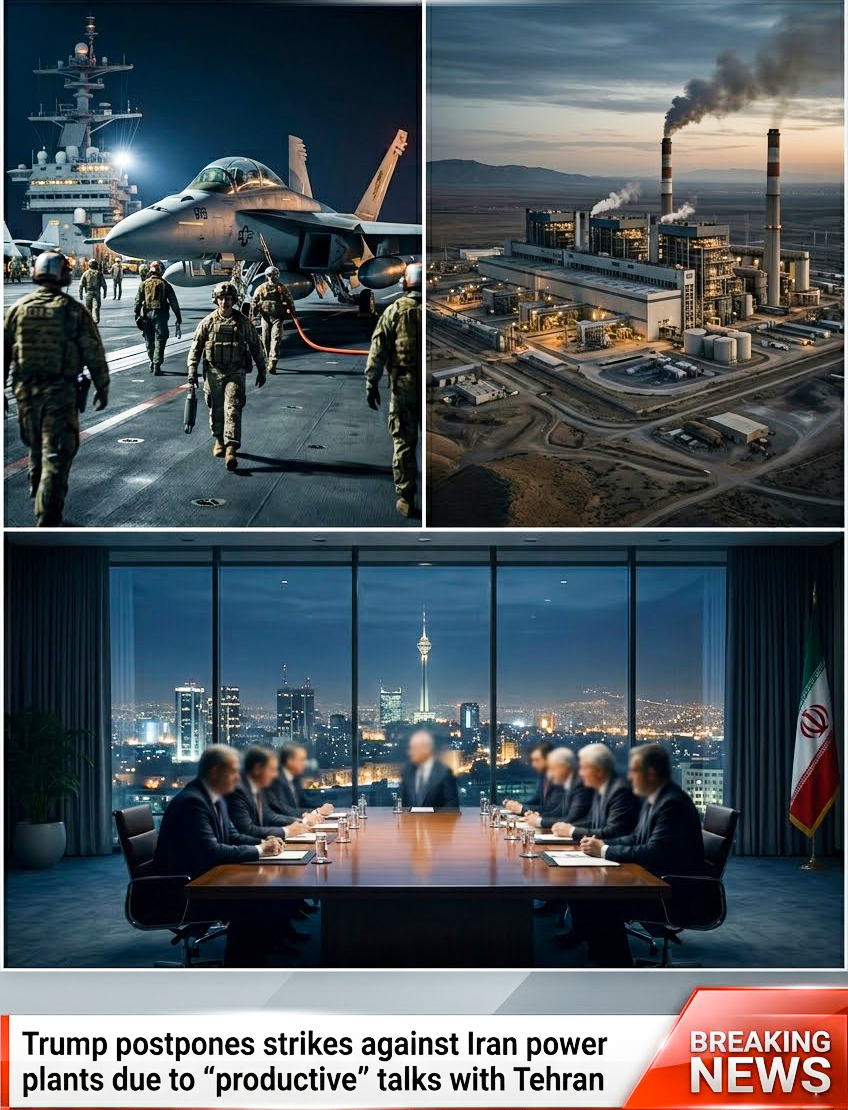
But the Iranians and the Americans were exchanging messages through intermediaries about de-escalating the conflict, with the immediate goal of averting attacks on critical energy infrastructure, according to four Iranian officials and an Iranian diplomat. The officials spoke anonymously to discuss sensitive negotiations.
Prime Minister Benjamin Netanyahu of Israel, after speaking with Mr. Trump, did not state whether peace talks were being held, but said that his American counterpart believed it was possible to “leverage” the military achievements to “realize the objectives of the war in an agreement.” Mr. Netanyahu, in a video statement, said Israel would pursue its campaigns against Iran and its ally in Lebanon, Hezbollah.
Whatever the truth about possible negotiations, the war continued to rage on multiple fronts. The U.S. and Israeli militaries said on Monday that they had carried out fresh waves of strikes on Iran, and Israel continued its offensive in Lebanon. Iran claimed attacks on Israel and Persian Gulf countries, though it was not clear if any of them penetrated air defenses.
Mr. Trump said that a son-in-law of his, Jared Kushner, and his special envoy, Steve Witkoff, were leading negotiations, and that the United States was communicating with one of Iran’s leaders, without naming the person. He said the U.S. side was demanding an end to Iranian nuclear enrichment and elimination of the country’s uranium stockpiles that could be used to one day make a bomb, terms that Iran had previously rejected.
Three officials said Iran’s foreign minister, Abbas Araghchi, and Mr. Witkoff had spoken on the phone in recent days, but they said those were preliminary discussions on de-escalation and should not be characterized as negotiations.
The war’s global fallout has seen the price of oil and gas rise sharply since late February — a crisis that is now worse than the oil shocks in 1973 and 1979 combined, according to the head of the International Energy Agency.
Mr. Trump’s statement about talks with Iran immediately reduced energy prices somewhat, but it was unclear how long that could last without tangible progress toward ending the war. The president has repeatedly given optimistic ᴀssessments that temporarily eased market jitters, only to have prices rise again.
More than 2,000 people have been killed since the U.S.-Israeli attack on Iran that ignited the conflict more than three weeks ago, most of them in Iran and Lebanon, where Israel has fought a second front with Hezbollah, the Iranian-backed militant group.