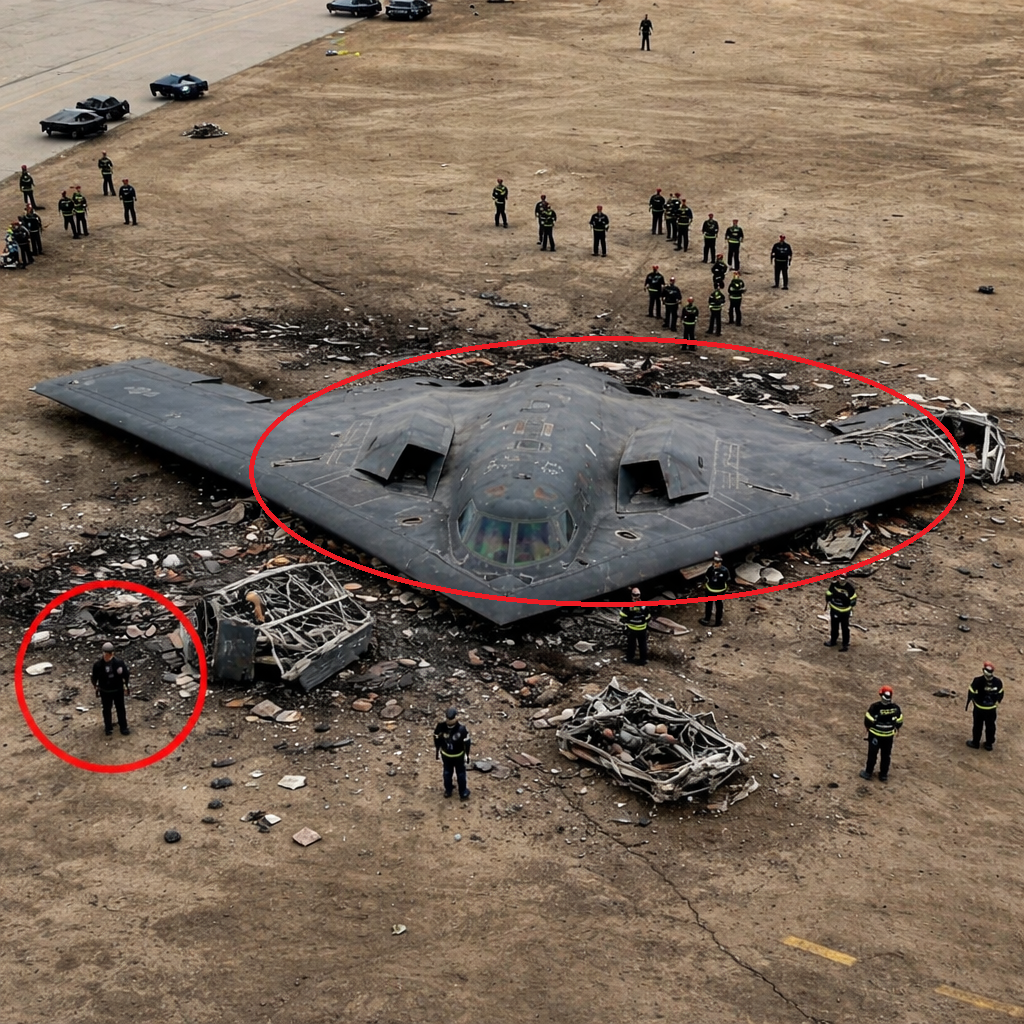
No, Iran is not realistically capable of reliably shooting down or sinking a U.S. Los Angeles-class submarine.
Iran is not realistically capable of shooting down (destroying) a modern U.S. nuclear attack submarine in open-ocean warfare. But it can threaten submarines in limited coastal conditions using asymmetric tactics.
The Los Angeles-class submarine — often referred to as the “688-class” — is a nuclear-powered fast-attack submarine designed for missions such as anti-submarine warfare, intelligence collection, and precision strikes against surface vessels. Over decades, continuous upgrades have enhanced its stealth characteristics, sensor systems, and weapons capabilities, making it one of the most sophisticated underwater combat platforms in service today.
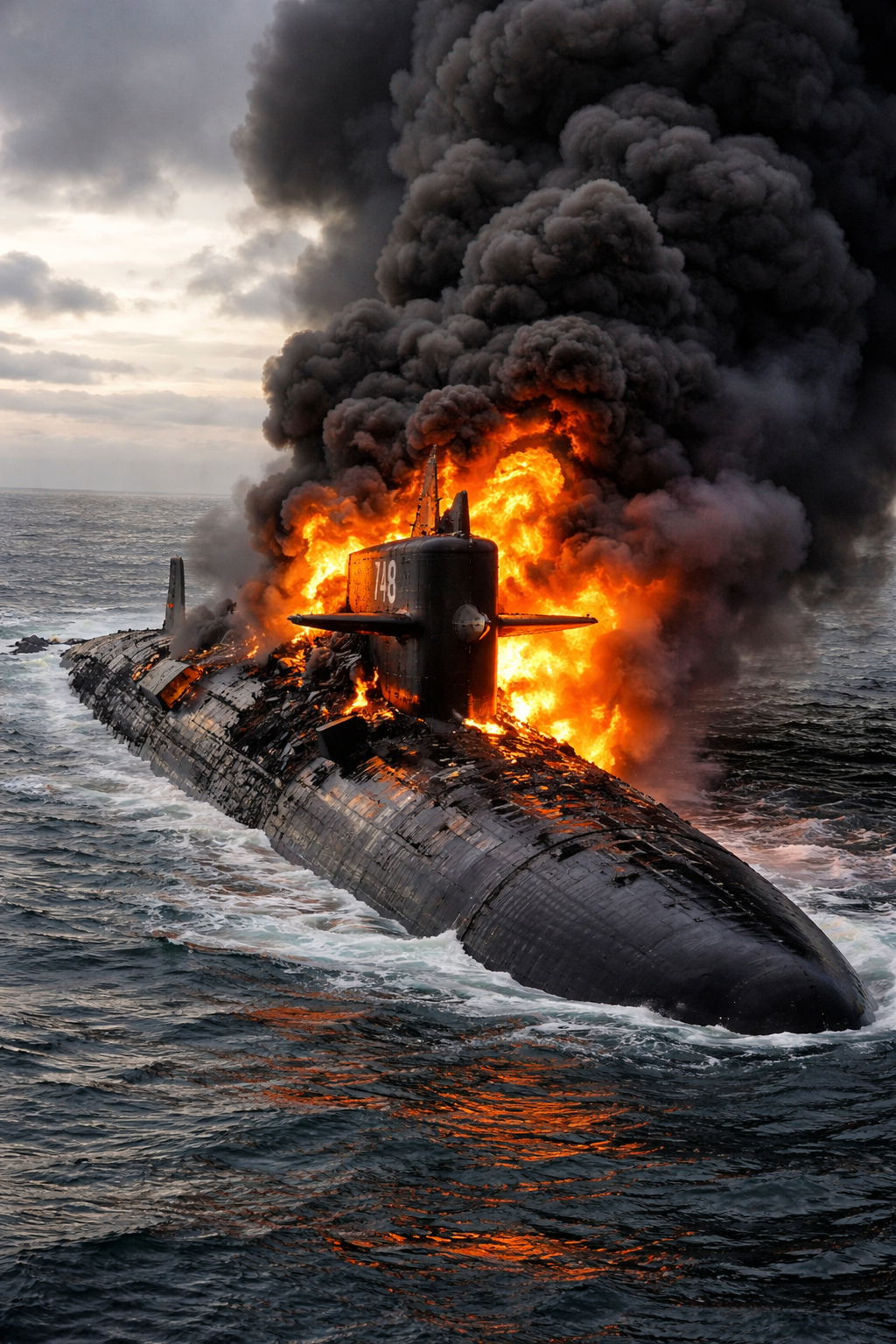
Because submarines operate beneath the surface, the concept of “shooting down” does not apply. Instead, the real challenge lies in detecting, tracking, and successfully engaging such vessels using anti-submarine warfare tools like torpedoes, mines, or coordinated surveillance systems.
Why Iran would face major challenges
U.S. submarines maintain a significant stealth advantage
Los Angeles-class submarines are designed to operate with extremely low acoustic signatures, especially at reduced speeds. Advanced sound-dampening engineering, quiet nuclear propulsion, and tactical use of oceanographic conditions — such as thermoclines and deep sound channels — make them difficult to detect over long distances. In contrast, many regional naval forces lack the highly sensitive sonar systems and processing capabilities required to identify a modern nuclear submarine operating in open waters.
Iran’s anti-submarine warfare capabilities remain limited
Iran’s naval inventory includes diesel-electric submarines, small coastal submarines, and surface vessels equipped with basic anti-submarine equipment. However, these platforms generally have shorter endurance and less sophisticated detection technology compared to major naval powers. Effective anti-submarine operations typically require layered detection networks, including maritime patrol aircraft, sonar buoy coverage, towed array sonar systems, and highly trained operators — capabilities that are not fully developed within Iran’s current naval structure.
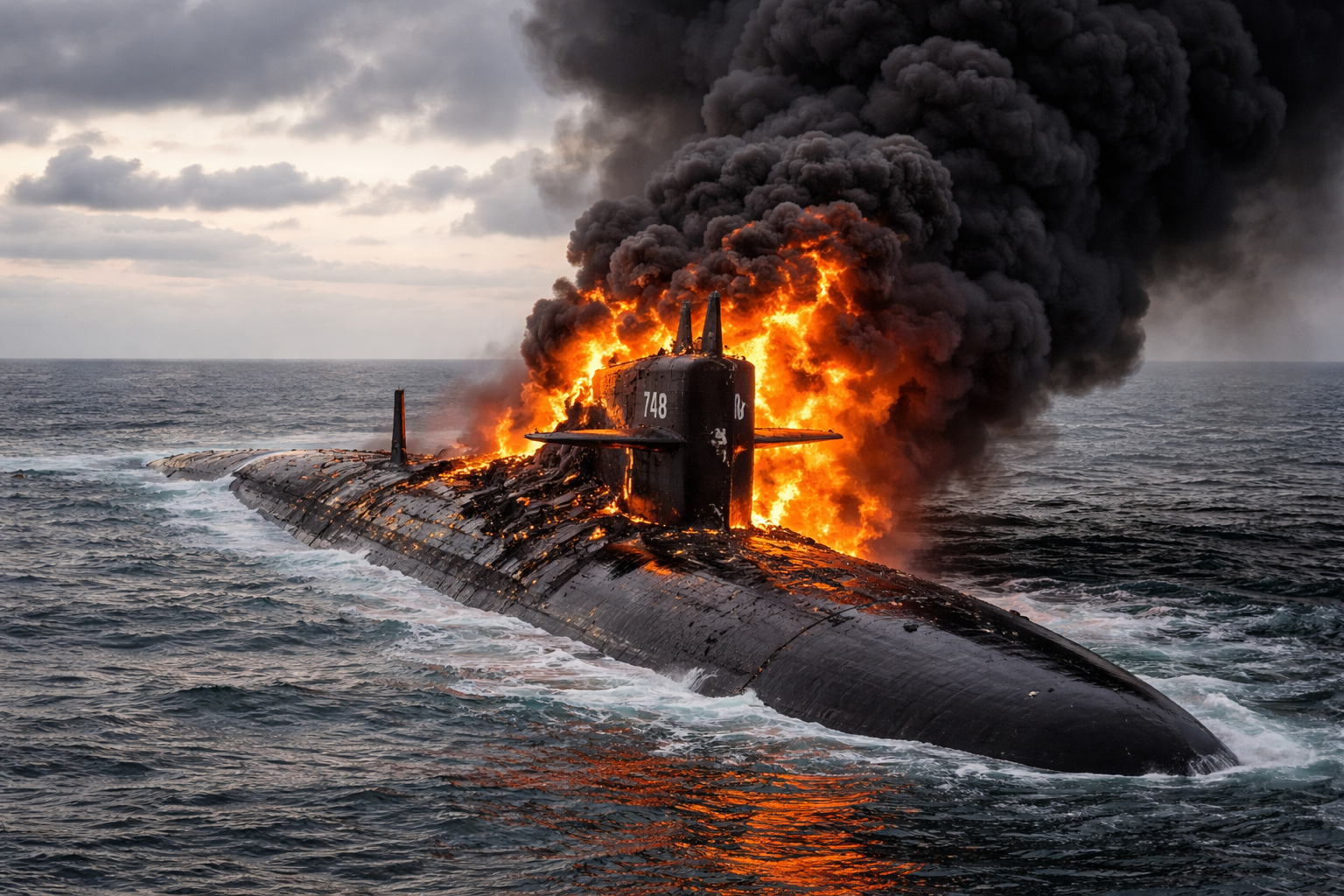
Geography can influence detection difficulty
In shallow and congested waters such as the Persian Gulf or Strait of Hormuz, environmental noise and limited depth can slightly improve detection conditions. However, experienced submarine crews can still exploit seabed terrain, currents, and quiet-running procedures to reduce exposure. In deeper waters like the Arabian Sea or Indian Ocean, the operational advantage shifts even further toward advanced nuclear submarines.
Operational evidence and strategic realities
Modern naval engagements and exercises have consistently demonstrated the difficulty of locating and engaging quiet nuclear attack submarines. While asymmetric tactics — including mines, coastal surveillance, and coordinated multi-platform operations — may increase risk in certain scenarios, they do not guarantee successful tracking or neutralization.
Could success be possible?
In theory, specific conditions could increase the likelihood of detection or engagement, such as navigational errors, high-speed transit in confined waters, or effective mine deployment in strategic chokepoints. However, such outcomes depend heavily on timing, intelligence, and operational coordination, making them relatively low-probability events.
Overall ᴀssessment
Although regional naval forces can complicate submarine operations in constrained environments, the technological sophistication, training, and operational doctrine of advanced nuclear submarine fleets continue to provide a decisive advantage. As a result, reliably detecting and destroying a modern Los Angeles-class submarine remains an exceptionally difficult challenge in most realistic combat scenarios.