
In recent months, online videos and commentary have circulated widely claiming that Iran’s Fattah hypersonic missile has fundamentally changed modern warfare.
According to these claims, the missile travels at Mach 15, moves unpredictably during flight, and is essentially impossible for current air defense systems to intercept.
Some commentators even argue that the weapon makes U.S. aircraft carriers, missile defenses, and regional bases vulnerable overnight.
While hypersonic weapons are indeed one of the most significant military developments of the 21st century, the reality behind these claims is more complex.
To understand the debate, it helps to start with the basics.
A hypersonic weapon is generally defined as any vehicle traveling faster than Mach 5, or five times the speed of sound.
At these velocities, missiles can cross hundreds or even thousands of kilometers extremely quickly, reducing the time defenders have to react.

But speed alone does not automatically make a missile unstoppable.
Many traditional ballistic missiles already reach speeds between Mach 10 and Mach 20 during parts of their flight.
The key difference with modern hypersonic weapons is their ability to maneuver while traveling at extremely high speeds, particularly during the glide or terminal phases.
This maneuverability makes it more difficult for defensive systems to predict where the missile will be in the future.
Iran announced the Fattah missile in 2023, claiming it features a maneuverable reentry vehicle capable of changing course during the final stage of flight.
Iranian officials also stated the missile can bypᴀss existing missile defense systems.
However, independent verification of these claims remains limited.
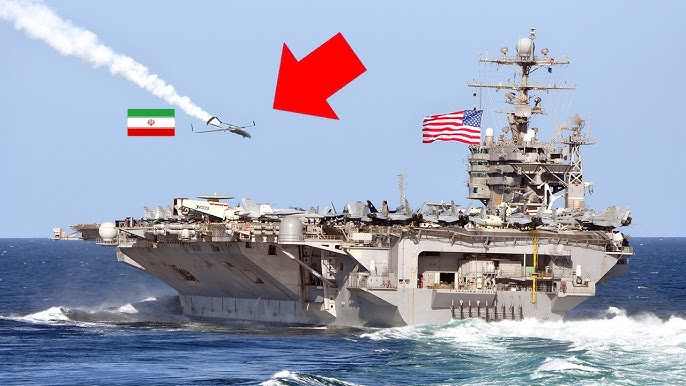
Military analysts note that many nations—including Russia, China, and the United States—have spent decades developing hypersonic systems.
Russia has deployed weapons like Kinzhal and Zircon, while China has tested the DF-ZF hypersonic glide vehicle.
The United States is also actively developing several hypersonic programs.
Even for these major powers, hypersonic technology remains extremely complex and expensive.
One frequently repeated claim in viral videos is that air defense systems have only about 60 seconds to respond to a hypersonic missile attack.
While reaction time can indeed be short, modern defense networks do not rely solely on a single radar detection moment.
Instead, they use layered tracking systems, including satellites, early-warning radars, and distributed sensors across large regions.
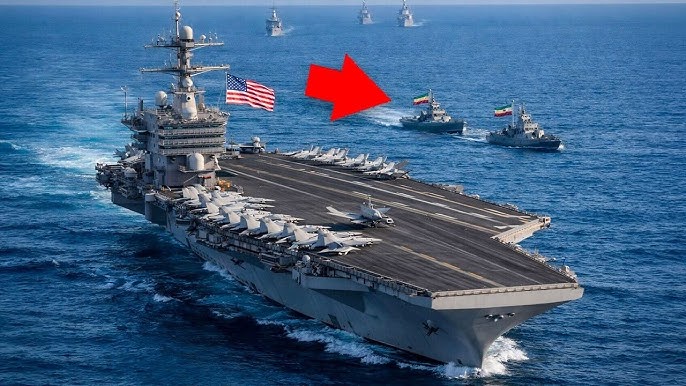
These systems can detect missile launches much earlier than many viral explanations suggest.
Another point often mentioned is that hypersonic vehicles can create a plasma cloud due to atmospheric friction, potentially interfering with radar signals.
While plasma effects are real at extreme speeds, they do not make the vehicle completely invisible.
Advanced sensors—including infrared detection systems—can still track heat signatures generated by high-speed vehicles.
The claim that hypersonic missiles make aircraft carriers obsolete is also widely debated among military experts.
Aircraft carriers remain powerful not only because of their size but because they operate as part of carrier strike groups—large formations of ships equipped with layered defenses, radar systems, electronic warfare capabilities, and fighter aircraft.
These groups are designed to detect and counter multiple types of threats simultaneously.
Hypersonic weapons certainly present a serious challenge to these defenses, but analysts generally do not believe they make naval fleets instantly defenseless.
Another important factor is cost and production.
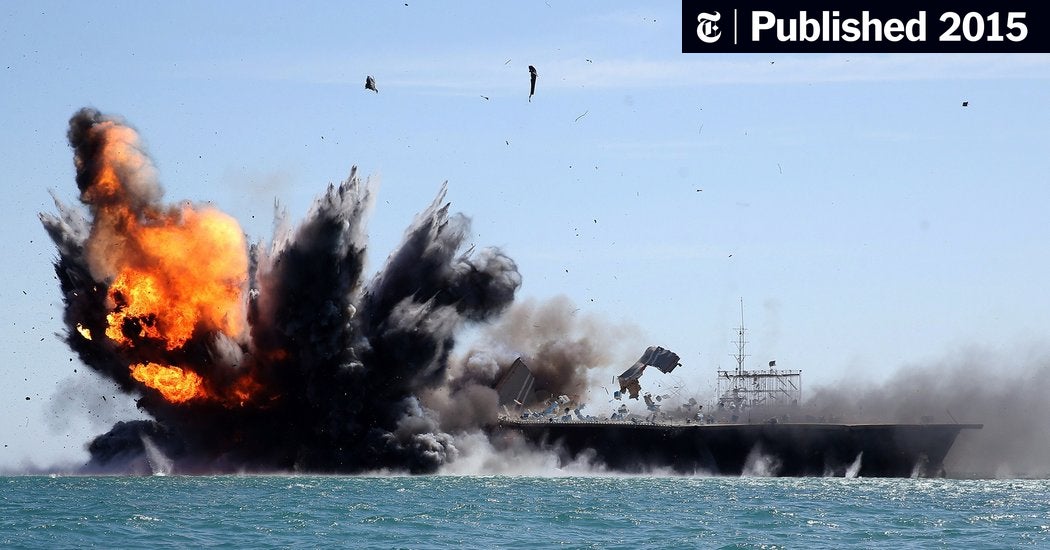
Developing reliable hypersonic weapons requires advanced materials capable of surviving extreme temperatures exceeding 2,000 degrees Celsius, sophisticated guidance systems, and precise aerodynamic control at very high speeds.
This makes large-scale production difficult even for technologically advanced countries.
In addition, missile defense technology continues evolving in response to new threats.
Several countries are already developing next-generation tracking satellites, faster interceptors, and directed-energy systems designed specifically to counter hypersonic weapons.
These technologies are still under development, but they illustrate that the arms race between offense and defense is ongoing.
Historically, military technology has repeatedly gone through similar cycles.
New weapons initially appear to provide overwhelming advantages—only for defensive systems to adapt over time.
The emergence of hypersonic weapons is another example of this dynamic.
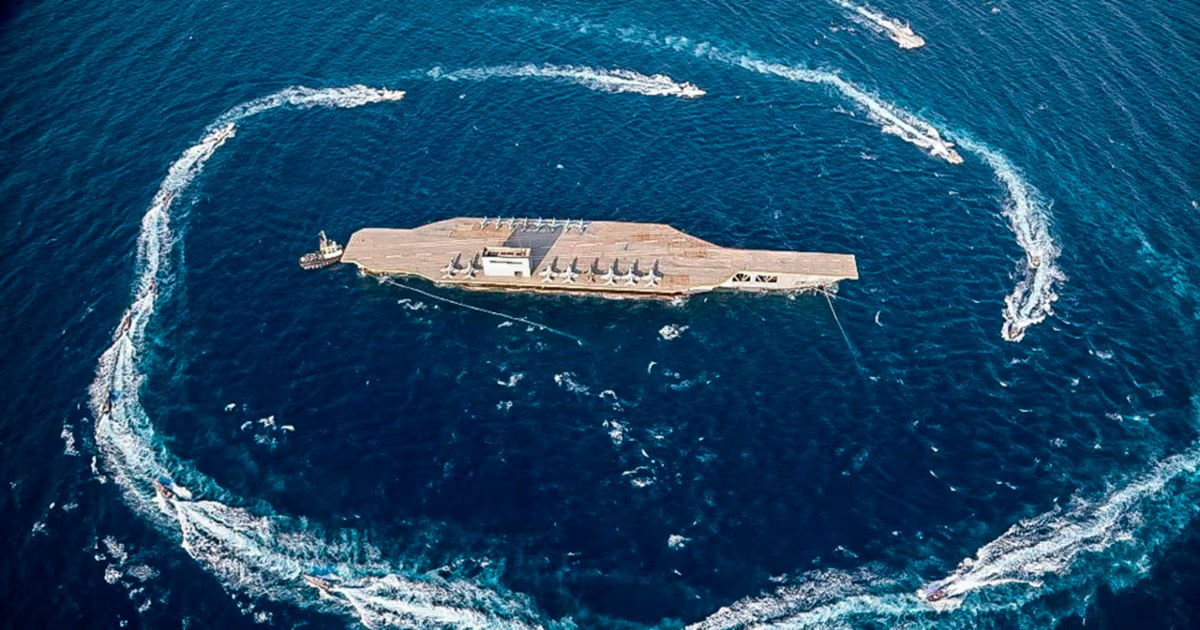
There is little doubt that hypersonic missiles will play an increasingly important role in future warfare.
Their speed, maneuverability, and reduced warning time make them powerful strategic tools.
But claims that a single missile system has instantly made decades of military infrastructure obsolete tend to oversimplify a far more complicated reality.
Understanding that difference is critical—especially in an era where dramatic headlines and viral videos can spread faster than the facts behind them.