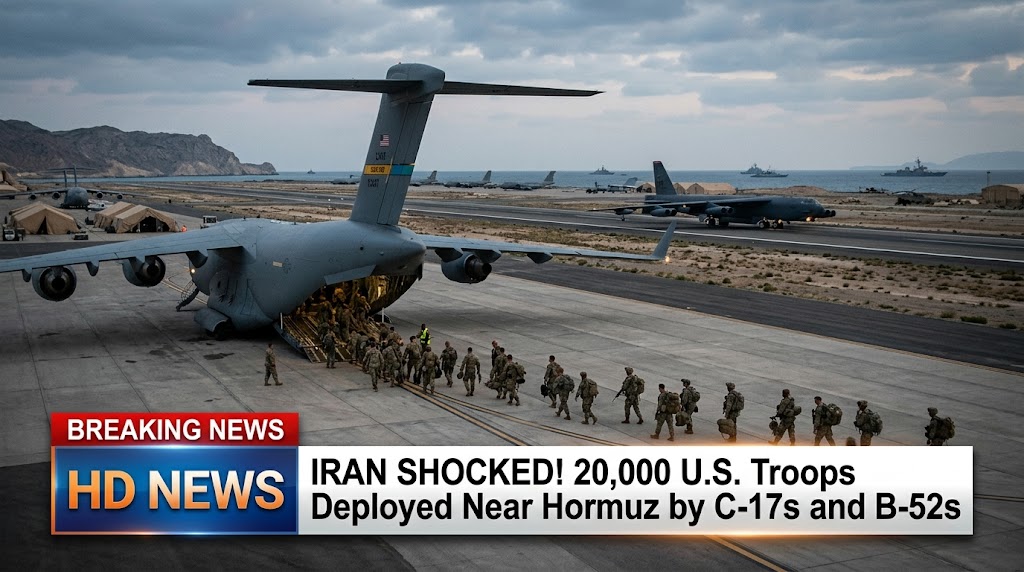
On March 25, 2026 — the 25th day of the US-Israel military campaign against Iran — a sharp disconnect emerged between Washington and Tehran over the prospects for ending the conflict. While President Donald Trump projected optimism about ongoing negotiations, Iranian officials firmly denied any meaningful talks and issued their own counter-demands.
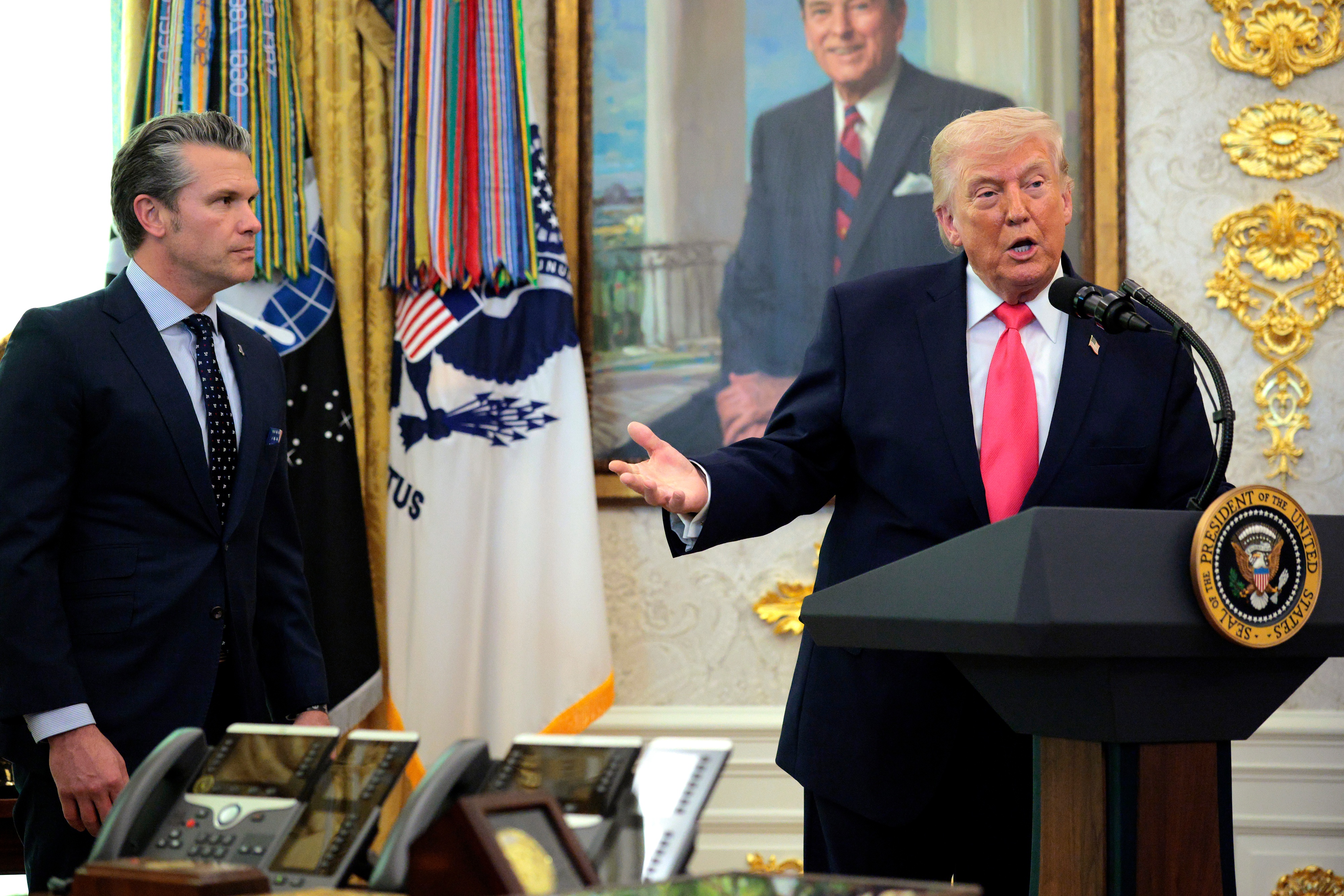
Speaking at a fundraising event in Washington, Trump stated that Iran “wants to make a deal so badly” but is afraid to admit it publicly. He claimed indirect conversations through intermediaries were “very good and productive,” and suggested a one-month ceasefire could lead to a broader resolution. Trump also mentioned that Vice President JD Vance, Secretary of State Marco Rubio, and other senior officials were actively involved in the efforts.
However, Iran’s response was unequivocal. Foreign Minister Abbas Araghchi told state television that “no conversations and negotiations have taken place” with the United States. He described any exchange of messages through mediators as “not called conversation, nor negotiation.” Iranian state media, including Press TV and Fars, reported that Tehran had rejected the US 15-point ceasefire proposal, calling it one-sided and unrealistic.
Conflicting Proposals
The US proposal, delivered via Pakistan, reportedly demands that Iran dismantle large parts of its nuclear program, halt uranium enrichment, limit its ballistic missile capabilities, cease support for regional proxy groups, and guarantee unrestricted pᴀssage through the Strait of Hormuz.
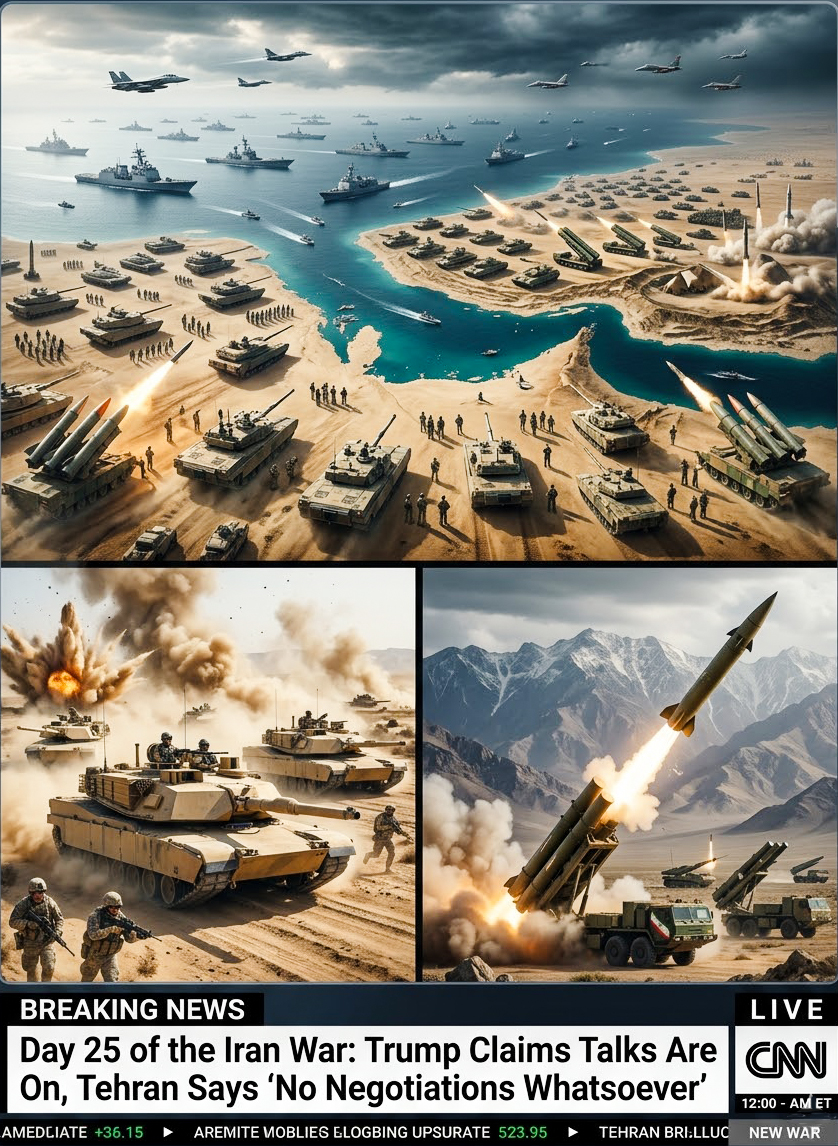
In return, the plan offers phased sanctions relief and other economic incentives. Trump had previously postponed strikes on Iranian power plants to allow space for diplomacy.
Iran countered with its own five-point demands:
An immediate and complete end to all US and Israeli aggression.
Strong international guarantees to prevent future attacks.
Payment of reparations for damages caused by the war.
A comprehensive ceasefire across all fronts, including proxy conflicts in Lebanon, Iraq, and Yemen.
Full recognition of Iranian sovereignty over the Strait of Hormuz.
Iranian officials emphasized that any agreement must respect the country’s dignity and security interests. Hardline voices within the Islamic Revolutionary Guard Corps (IRGC) expressed deep skepticism toward US intentions, especially after the early “decapitation” strikes that killed Supreme Leader Ayatollah Ali Khamenei.
Military Operations Continue
Despite the diplomatic back-and-forth, fighting showed no signs of slowing. Israel conducted additional strikes on targets in Tehran and other parts of Iran, while expanding security operations in southern Lebanon against Hezbollah. Iran continued launching missile and drone attacks on Israeli territory and US-linked bases in the Gulf region.
US forces maintained a strong presence, with recent deployments of thousands of troops from the 82nd Airborne Division and Marines reinforcing positions across the Middle East. The partial restrictions on shipping through the Strait of Hormuz persisted, keeping global energy markets on edge.
Oil Prices React to Mixed Signals
Financial markets reflected the uncertainty. Oil prices initially dipped on hopes of diplomatic progress after reports of the US proposal surfaced, with Brent crude falling as much as 10% in some sessions. However, prices remained volatile and well above $100 per barrel as Iran’s public rejection and continued military activity raised fears of prolonged disruption.
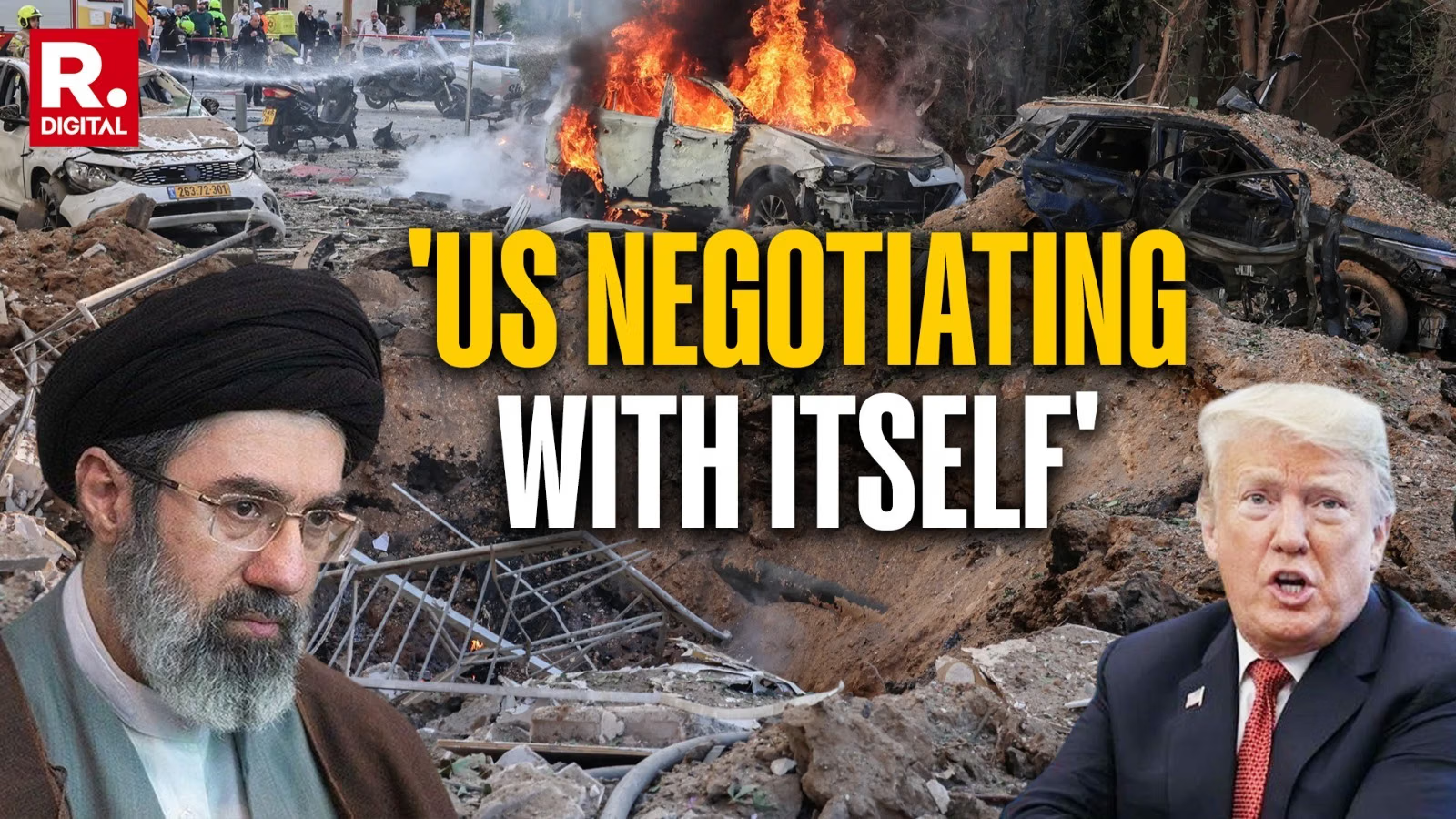
Traders appeared to be betting on short-term optimism from Trump’s statements while remaining cautious about the wide gap between the two sides’ positions. Some analysts described the situation as “negotiating with itself,” noting that Iran views US public optimism as an attempt to manipulate oil markets and domestic opinion.
Uncertain Path Ahead
As the war entered its 26th day, mediation efforts through Pakistan and other channels continued behind the scenes. Iran indicated it was still reviewing elements of the US proposal but maintained its public hardline stance. The White House insisted that productive conversations were underway, even as Tehran denied them.
Analysts warn that the conflicting narratives could prolong the conflict. While both sides appear interested in finding an exit, deep mistrust — fueled by the ᴀssᴀssination of Iran’s supreme leader, mᴀssive infrastructure damage, and heavy casualties — makes compromise difficult.
The coming days will be critical. If indirect talks gain momentum, a temporary ceasefire could materialize. If not, the combination of continued airstrikes, troop buildups, and threats around the Strait of Hormuz risks pushing the region toward even greater escalation.
For now, the stark contrast between Trump’s claims of imminent progress and Iran’s flat denial defines Day 25 of this high-stakes war — a conflict that continues to reshape the Middle East and send ripples through the global economy.