As the US-Iran war enters its third week, Tehran has shifted from direct confrontation to a classic campaign of asymmetric warfare, deliberately stretching the conflict across multiple fronts to exhaust American and Israeli resources. With its missile production crippled and senior leadership decimated following the February 28 strikes that eliminated Supreme Leader Ali Khamenei, the regime is now relying on cheap drones, proxy militias, and sporadic ballistic launches to prolong the fight and inflict political pain.
The most visible front remains northern Israel, where Hezbollah — Iran’s most potent proxy — continues firing hundreds of rockets and drones. On March 17 alone, barrages targeted communities from Kiryat Shmona to Nahariya, with direct hits causing injuries and fires. Israeli forces responded with heavy overnight strikes on Beirut’s southern suburbs, destroying rocket depots and command nodes deeply embedded among civilians. Hezbollah’s cynical use of human shields once again endangers Lebanese lives while failing to break Israel’s resolve.
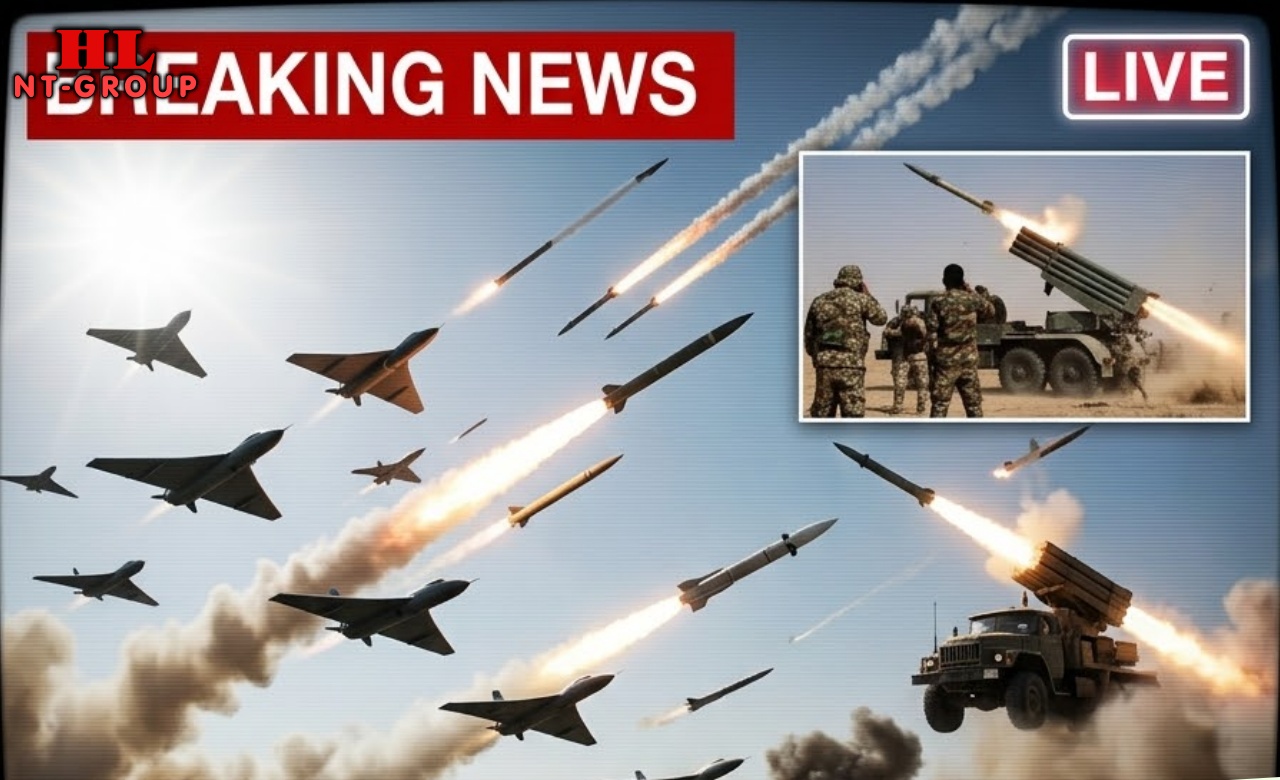
Further south, Iranian-backed Iraqi militias have launched drone attacks on US bases in the Gulf, while threats to shipping in the Strait of Hormuz aim to spike global oil prices and pressure Western economies. Swarms of low-cost Shahed-style drones serve as the new IEDs of this conflict — inexpensive to produce yet capable of forcing expensive intercepts and testing air defenses across the region.
This is asymmetric warfare at its core: the weaker side avoids decisive battles and instead seeks to bleed the stronger opponent over time, hoping public fatigue in the US and Israel will force a premature ceasefire that allows the regime to survive
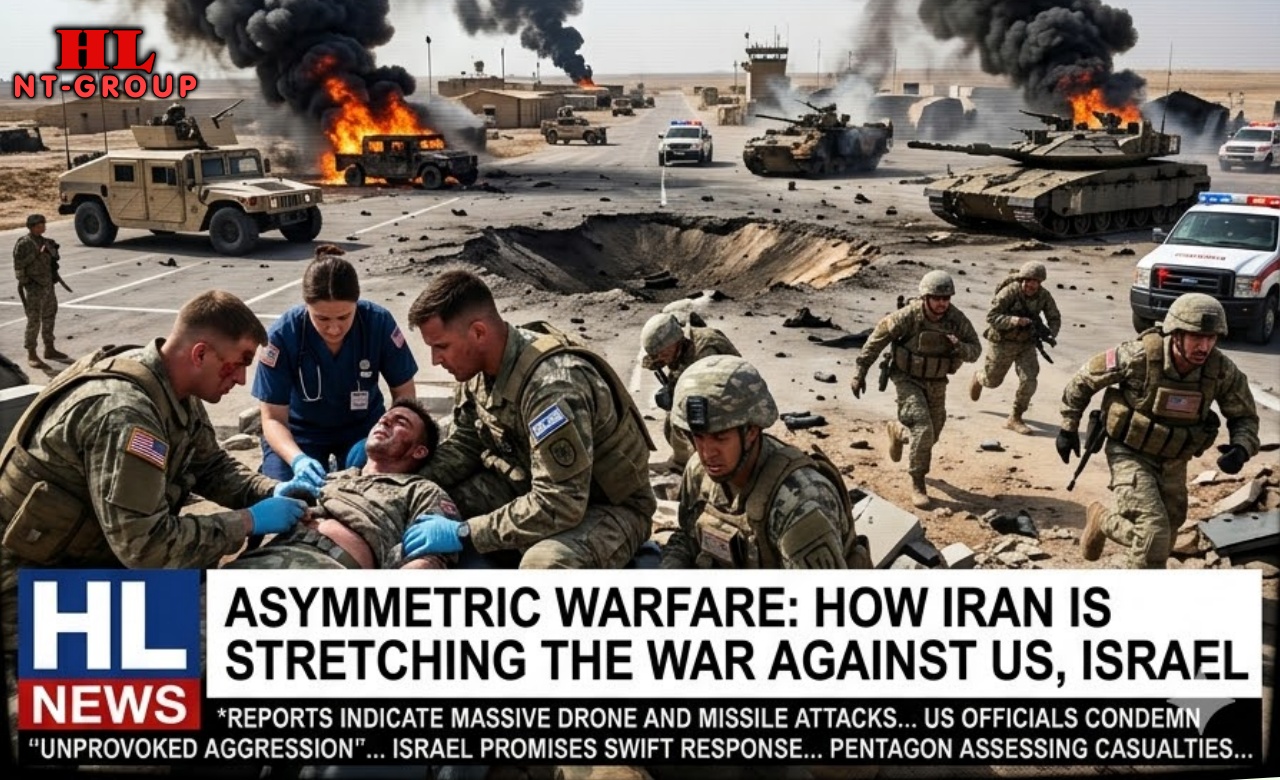
Yet the strategy is faltering. US and Israeli forces have degraded Iran’s missile capabilities by over 90% and drone launches by 95%. Hezbollah’s infrastructure in southern Lebanon is being systematically dismantled, and proxy attacks rarely achieve meaningful impact thanks to superior interception technology and precise counter-strikes. Civilian casualties in Israel remain limited despite the volume of fire, while the Iranian regime faces internal unrest and isolation.
Prime Minister Netanyahu and President Trump have made their position clear: the alliance will not be stretched thin or distracted. Operations will continue until Iran’s offensive capacity and its terror proxies are neutralized. “We will not allow tyrants to dictate the tempo of war,” officials emphasize.
The lesson is unmistakable. Iran’s desperate tactics reveal profound weakness, not strength. By stretching the conflict, Tehran only delays the inevitable reckoning. The free world must reject this war of attrition and support decisive action to break the axis of aggression once and for all. True stability demands finishing the job — through strength, unity, and unyielding resolve.