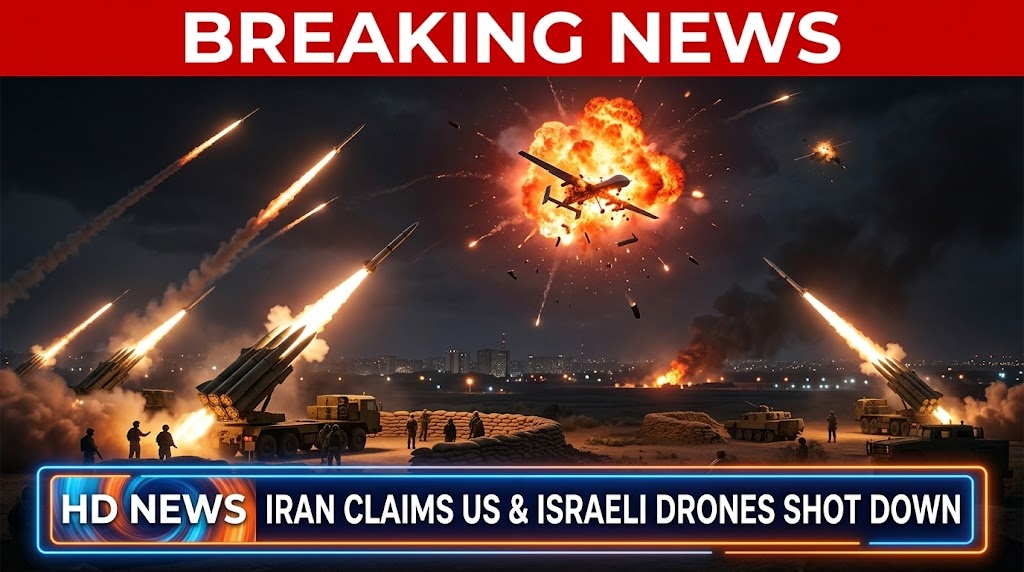
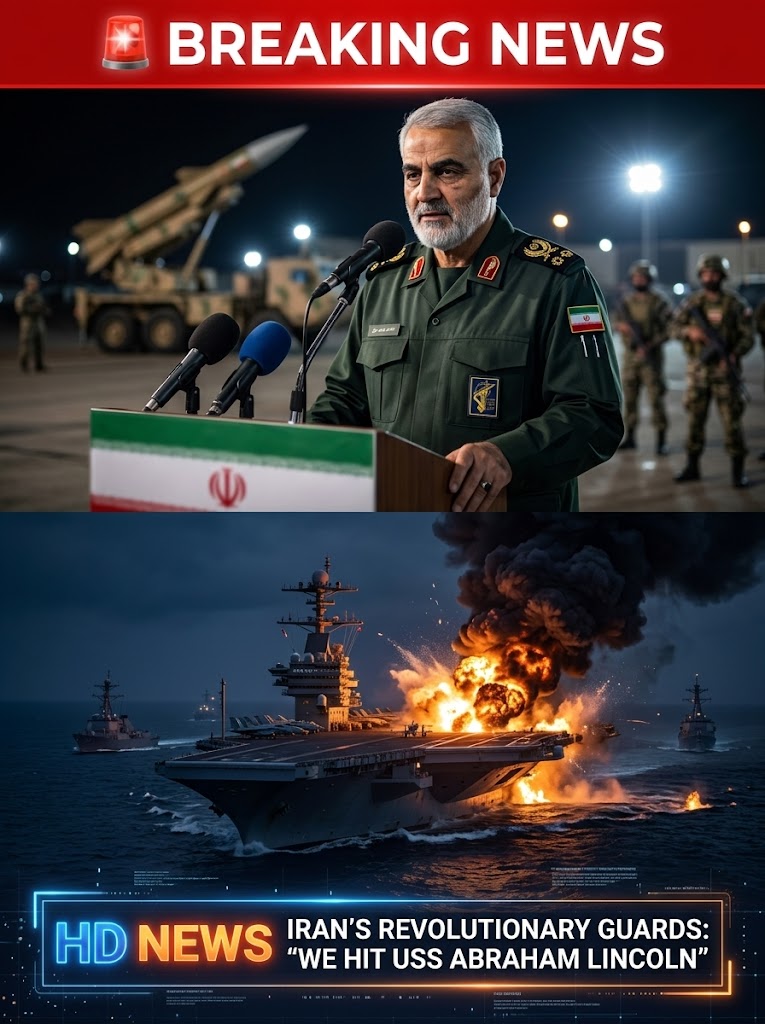
Iran’s Islamic Revolutionary Guard Corps (IRGC) has officially announced that it carried out a missile operation targeting the U.S. aircraft carrier USS Abraham Lincoln, describing the action as part of a broader retaliatory campaign linked to the intensifying military confrontation in the Middle East. According to Iranian statements, the strike involved coordinated ballistic missile launches and drone support intended to challenge the operational presence of American naval forces in strategic waters. The announcement was delivered through state-aligned channels, which framed the attack as a demonstration of Iran’s expanding long-range strike capabilities and its willingness to respond to ongoing military pressure.
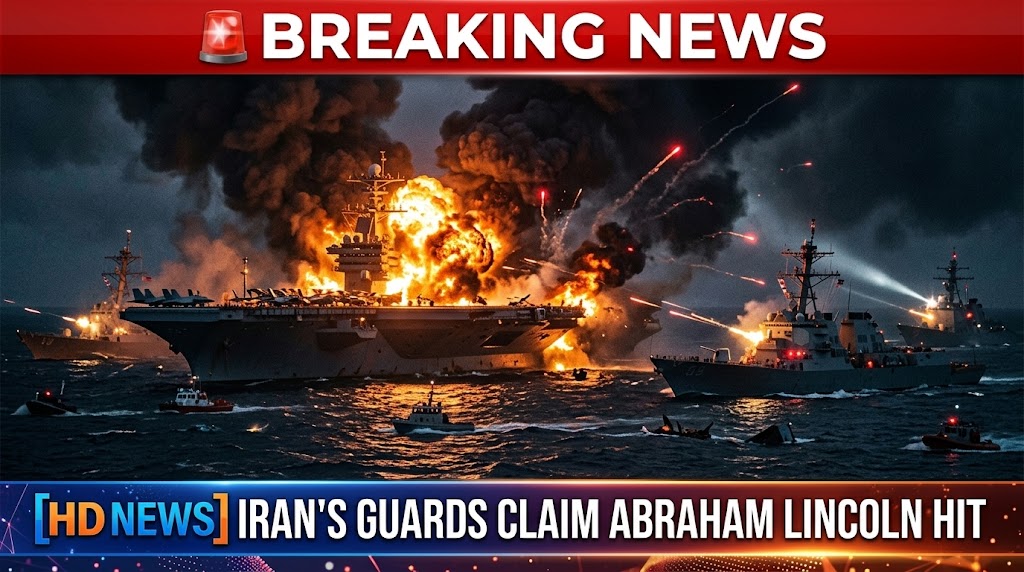
The claim emerged during a period of heightened tension across the Persian Gulf and surrounding regions, where naval deployments, aerial operations, and missile alerts have become increasingly frequent. Iranian officials said the operation was aimed at deterring further strikes on Iranian territory and signaling that U.S. carrier groups remain within the range of advanced missile systems. They also emphasized the role of integrated air-defense networks and electronic warfare support in enabling such operations, portraying the strike as part of a new phase of regional military engagement.
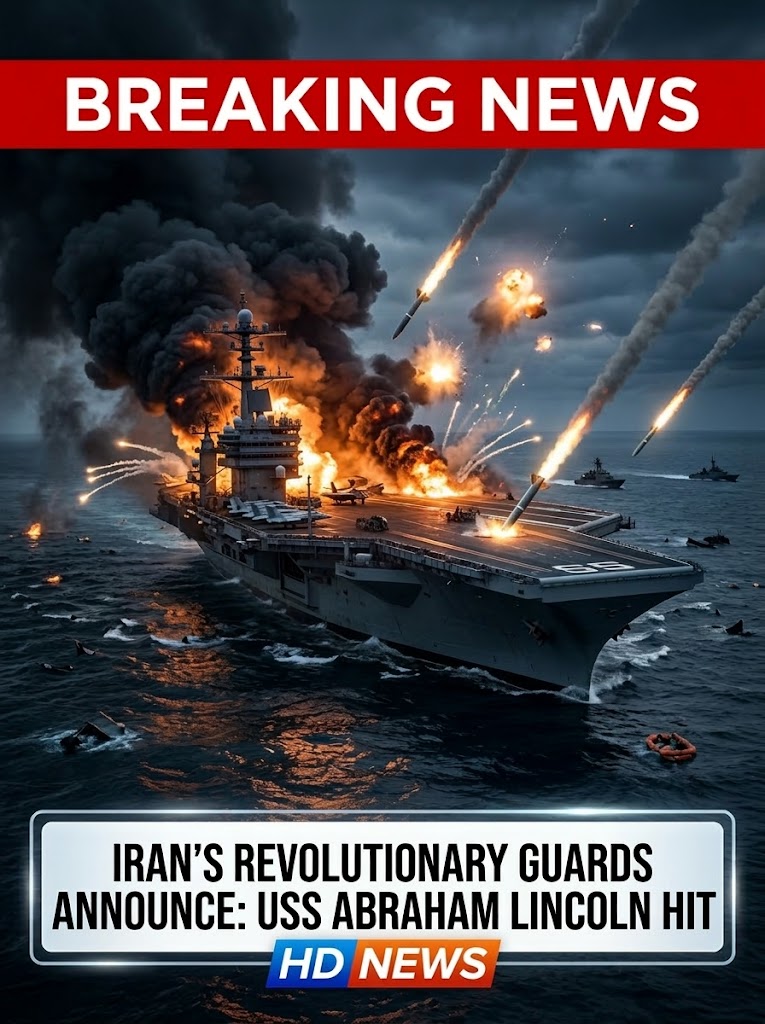
In parallel with the announcement, Iranian media circulated footage and statements highlighting missile launches and defense readiness measures, while regional security conditions remained volatile. The situation has contributed to intensified military alert levels across Gulf states, where air-defense systems, naval patrols, and surveillance missions continue to operate at an elevated tempo. Analysts note that such claims, regardless of their immediate operational outcome, reflect the evolving nature of modern maritime confrontation, where psychological signaling, strategic messaging, and military maneuvering intersect.
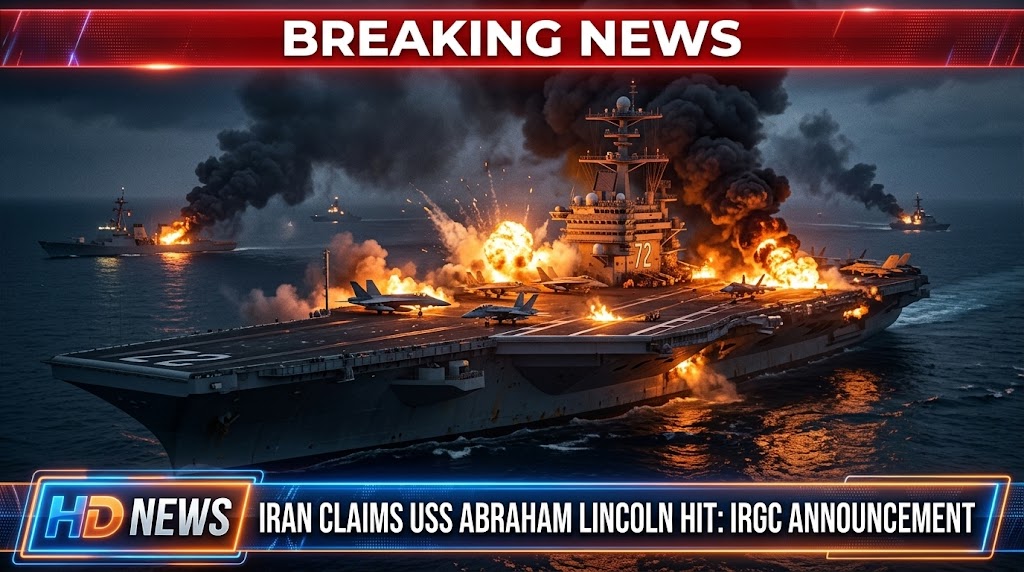
The broader conflict environment surrounding the announcement has been characterized by ongoing air campaigns, naval deployments, and concerns about disruptions to critical shipping routes. Military forces from multiple countries remain engaged in defensive preparations and coordinated operations aimed at maintaining stability in one of the world’s most strategically significant maritime corridors. The development underscores the continuing escalation of hostilities and the growing complexity of the regional security landscape as competing narratives and military actions shape the unfolding crisis.