Banner

‘Superpower Rivalry’: Iran’s Reasons for Striking US Gulf Data Sites

When the U.S. and Israel launch an offensive against Iran (late February 2026), Tehran will not only retaliate with missiles against military bases. They will choose a highly symbolic and strategic target: Amazon Web Services data centers in the UAE and Bahrain.
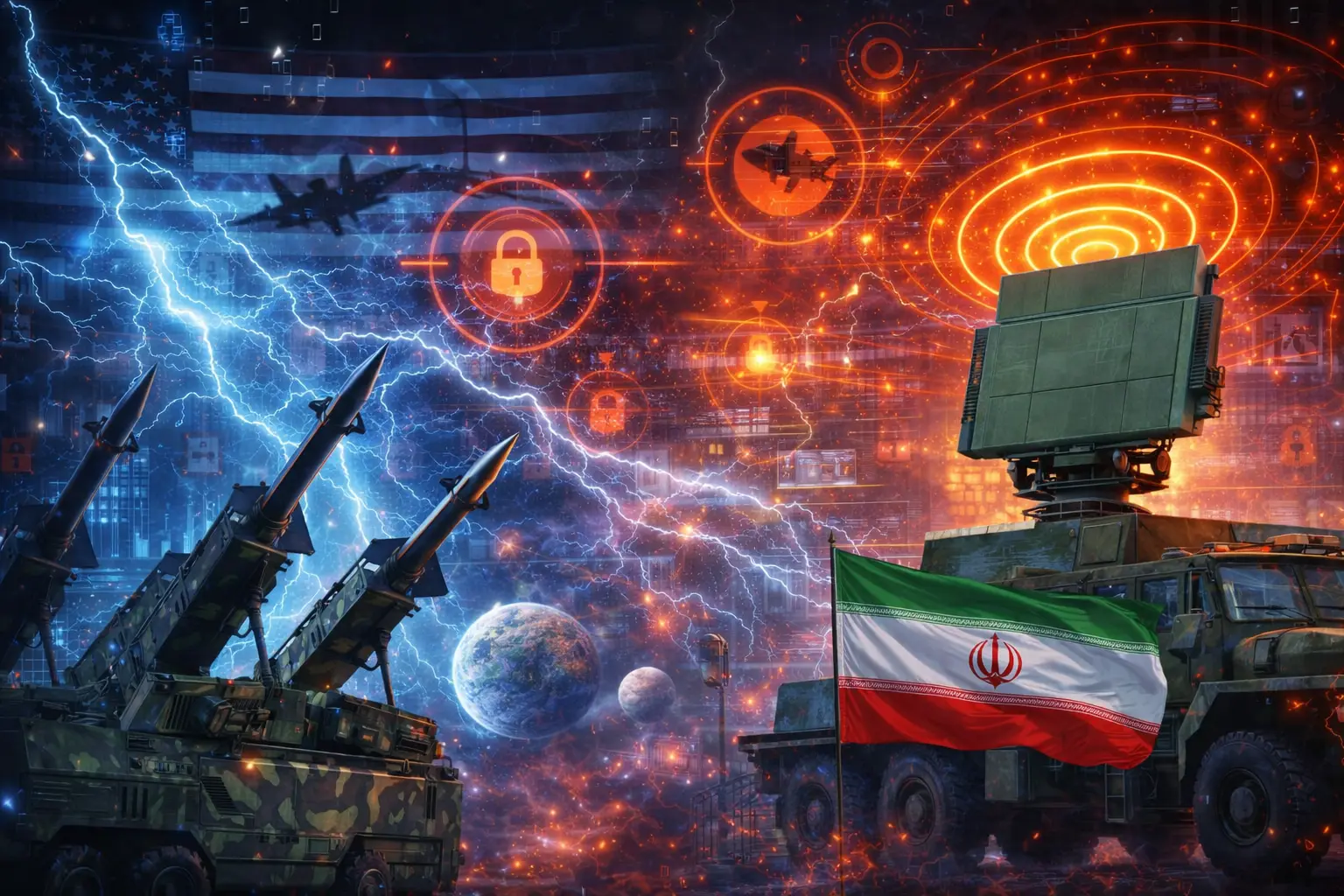
This is no random strike. At least three strategic reasons stand behind this decision:

Weakening the U.S. military-technological advantage
Many Gulf data centers support real-time data processing for the AN/TPY-2 radar system, CENTCOM communications, and AI intelligence analysis models. Iran targets them to create a temporary “blind spot” in the U.S. command and control network.
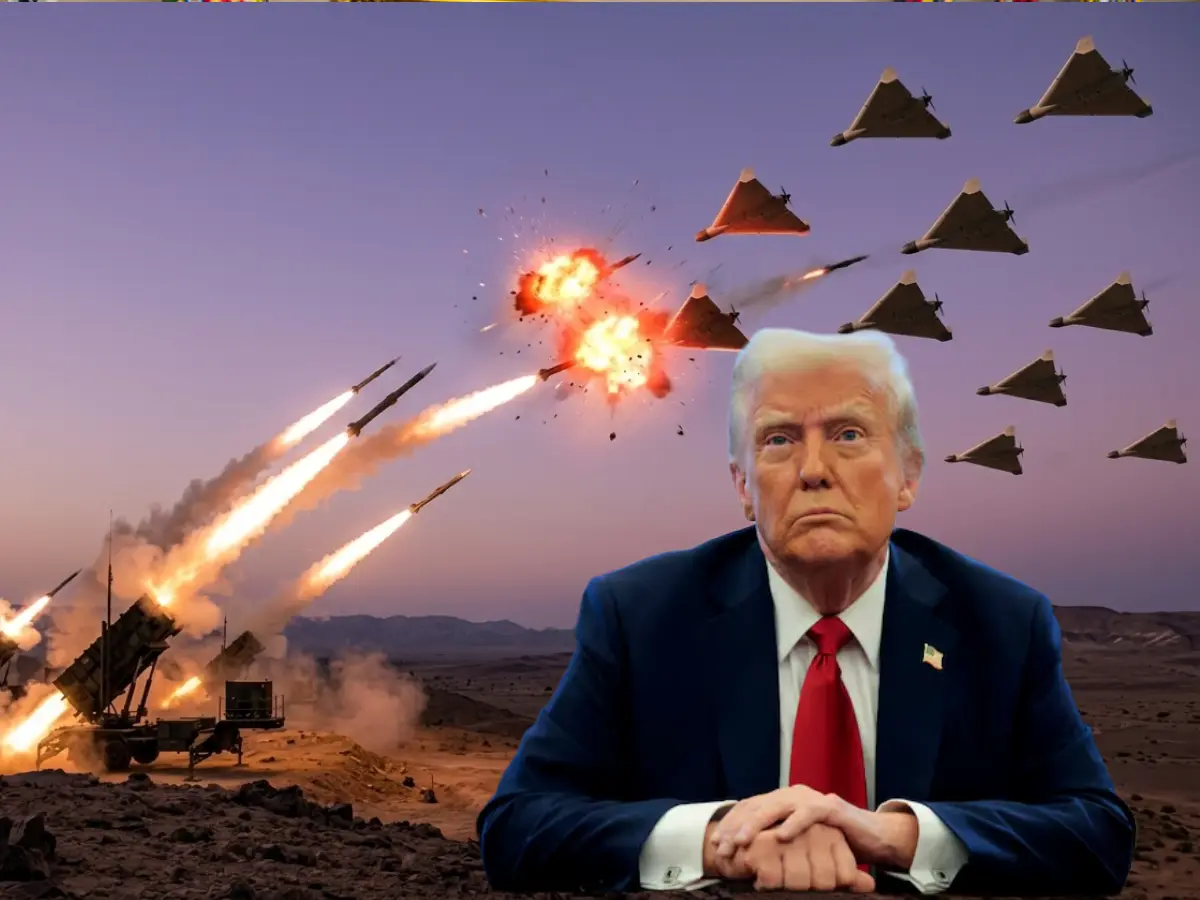
A direct attack on the economic diversification strategies of the Gulf Arab states

The UAE and Saudi Arabia are investing heavily to become global AI hubs. Iran understands that destroying confidence in the security of digital infrastructure will slow down or even reverse the flow of hundreds of billions of dollars into the region. This is a blow to the “post-oil future” of its regional rivals.

Demonstrating a new generation of hybrid warfare:
Iran leverages an asymmetrical advantage: inexpensive drones + precision missiles → inflicting far greater economic and psychological damage than the cost. Simultaneously, it sends the message: “If a superpower attacks our territory, we will bring war to your digital economy and civilian areas.”
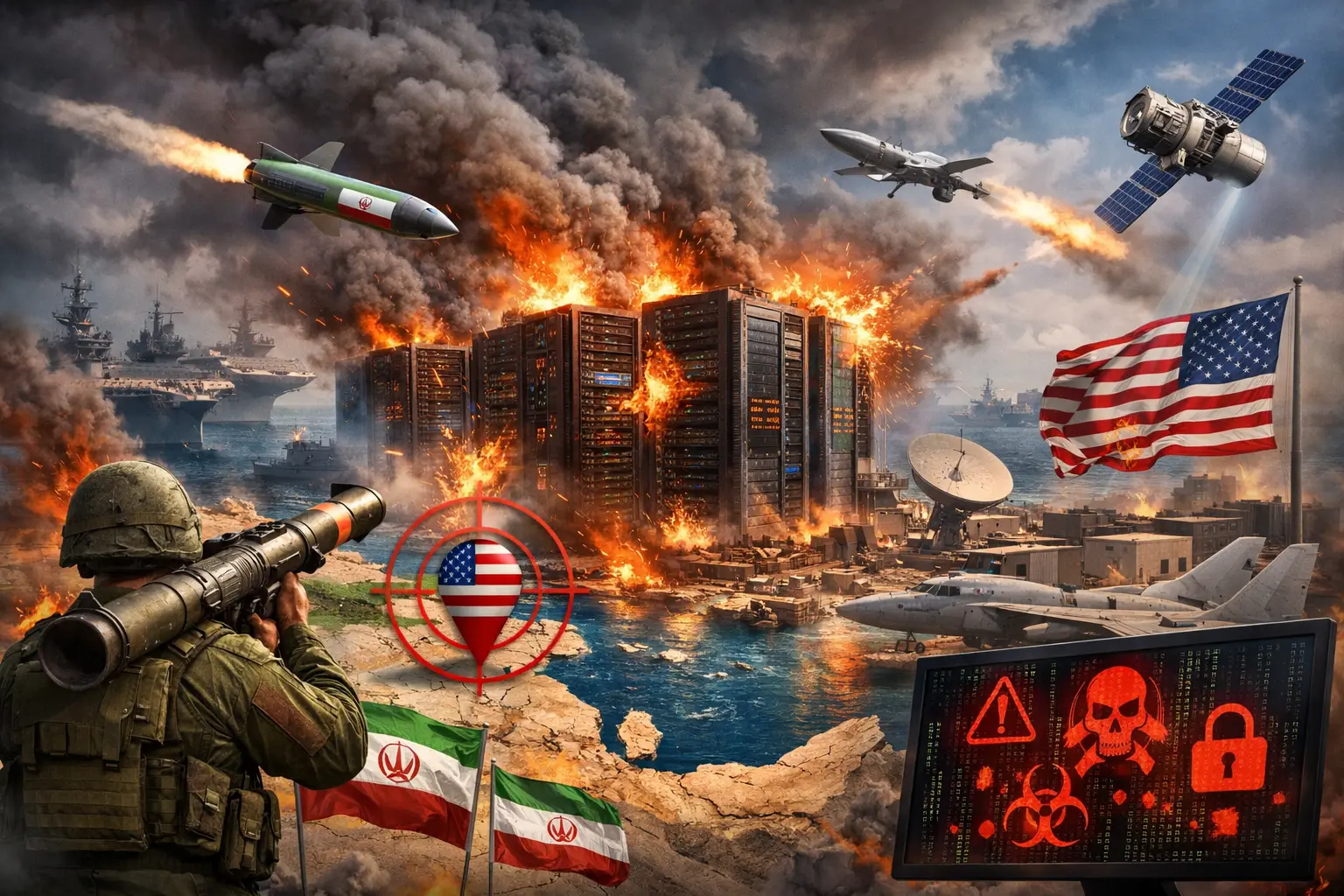
Conclusion: The US-Iran conflict is reshaping the concept of “strategic objectives.” Oil was once king; now, data and AI are becoming the new battleground of the digital age’s Superpower Rivalry.

Related Posts

Banner

⚠️ US INCREASES FIELD COMMAND TRAINING AS TENSIONS ESCALATE WITH IRAN

U.S. Marines from the 1st Marine Expeditionary Force (I MEF) have successfully completed a high-intensity training cycle as part of the latest ANGLICO Basic Skills Package at…

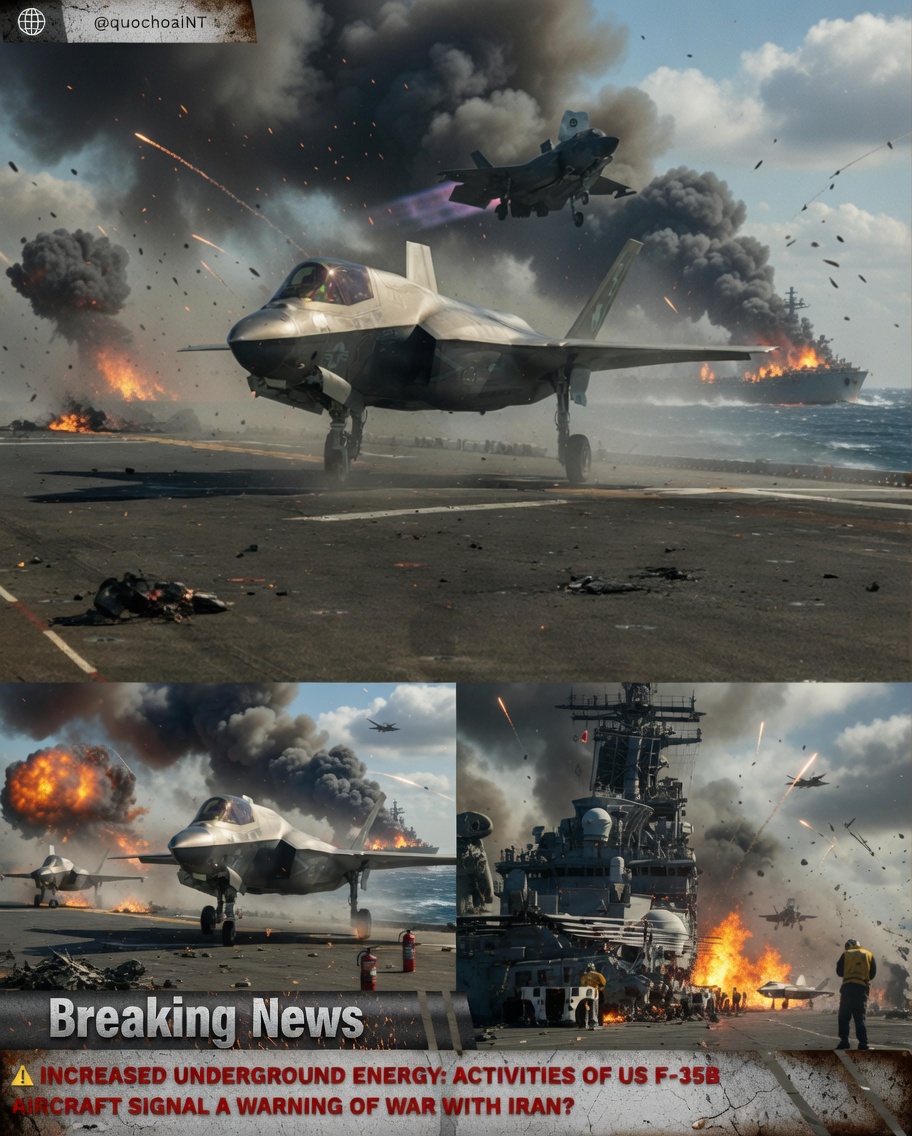
INCREASED UNDERGROUND ENERGY: ACTIVITIES OF US F-35B AIRCRAFT SIGNAL A WARNING OF WAR WITH IRAN?

The U.S. Marine Corps, specifically Marine Strike Fighter Squadron VMFA-122, operating in conjunction with the 11th Marine Expeditionary Unit, has intensified high-intensity flight operations of its F-35B…

Day 26 of the Iran War: US Sends 1,000 More 82nd Airborne Troops as Trump Claims Progress – Iran Says ‘No Negotiations’

On March 26, 2026 — the 26th day of the US-Israel war against Iran — a sharp contradiction emerged between Washington’s diplomatic optimism and its continued military…

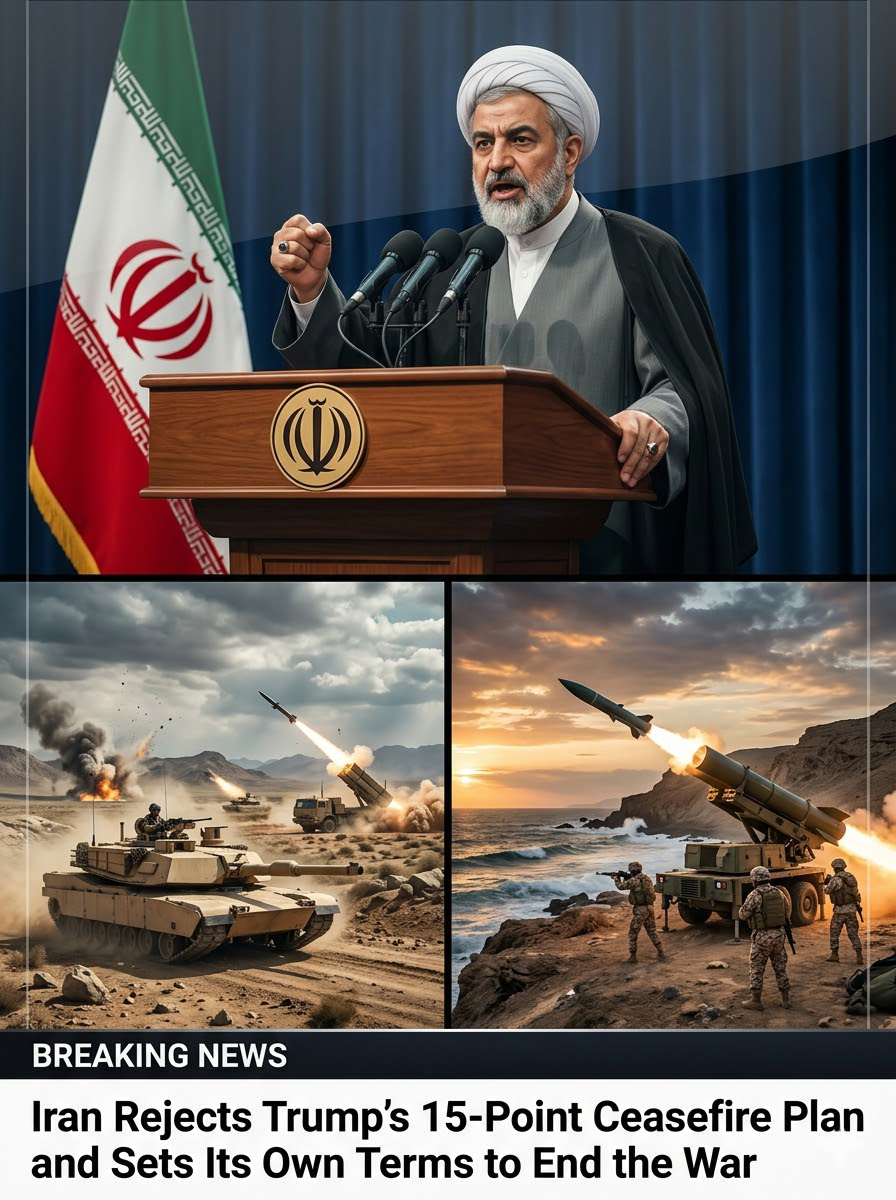
Iran Rejects Trump’s 15-Point Ceasefire Plan and Sets Its Own Terms to End the War

As the US-Israel war against Iran entered its fourth week on March 25-26, 2026, a major diplomatic setback emerged. The Trump administration sent Tehran a detailed 15-point…

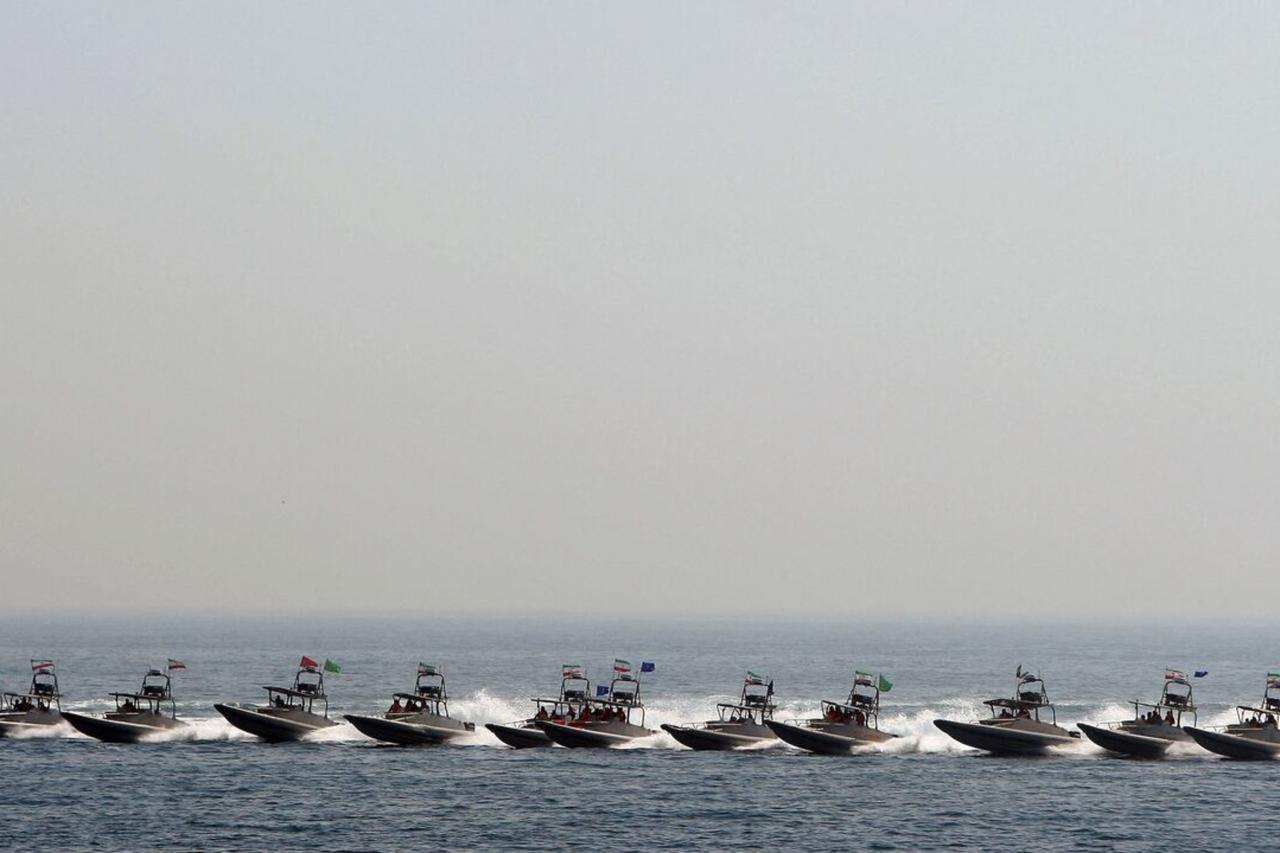
Vigilant Guard of the Strait of Hormuz Irans Naval

Amid escalating geopolitical tensions in the Gulf, the Iranian Navy – particularly the Islamic Revolutionary Guard Corps Navy (IRGC Navy) – has ᴀsserted its crucial role as…

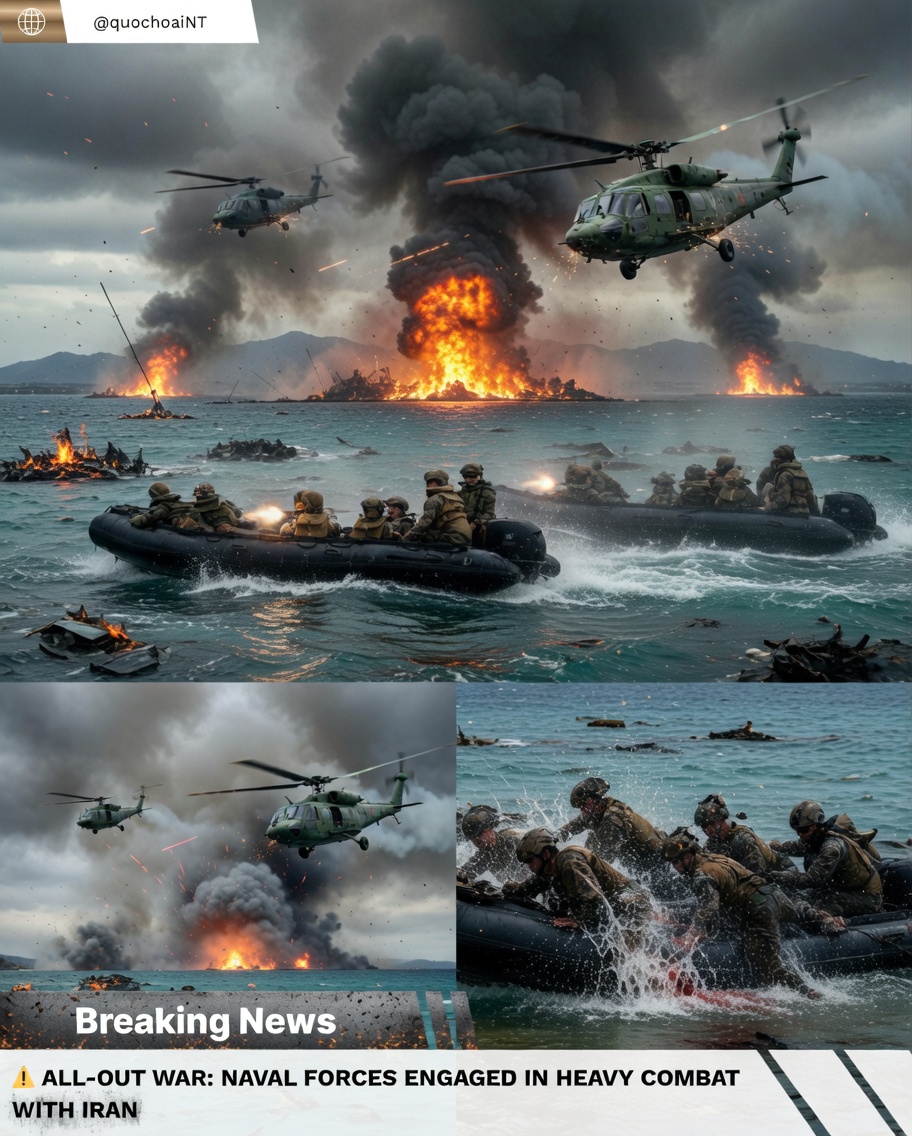
NAVAL EXERCISES RAISE CONCERNS ABOUT A FUTURE WAR WITH IRAN

The U.S. Marine Corps, specifically the 31st Marine Expeditionary Brigade, and units of the Japan Ground Self-Defense Force (JSD) jointly conducted a series of high-intensity small boat…