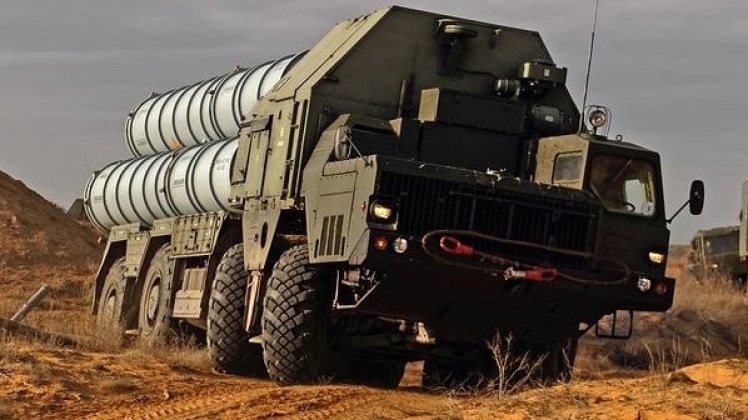
The S-300PMU-2 system (Iran) – a Russian-supplied long-range air defense system deployed around Tehran – was heavily targeted!
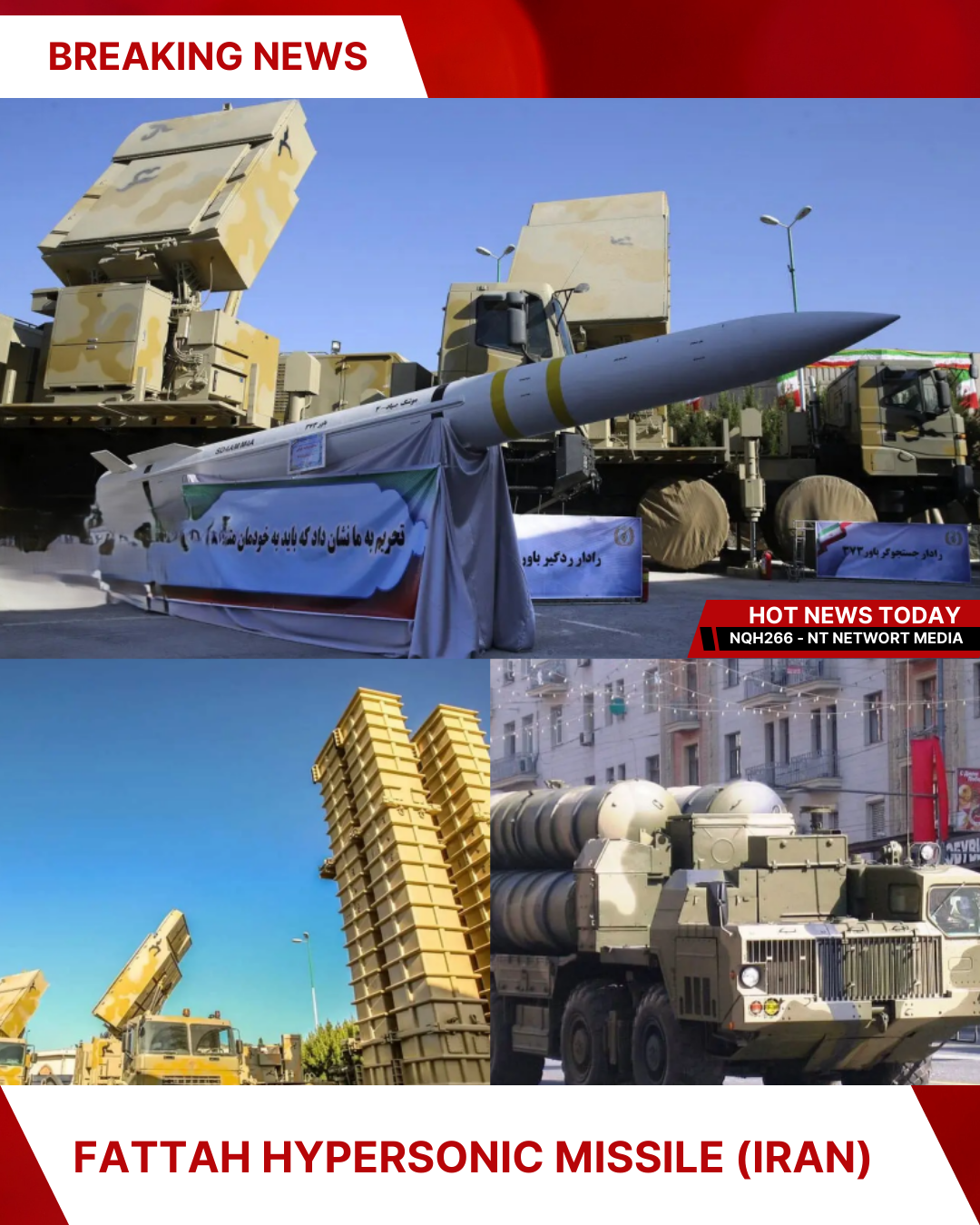
Following the launch of a full-scale U.S. and Israeli military offensive against Iran on February 28, Iran’s ground-based surface-to-air missile network—alongside its drone forces and ballistic missile arsenal—has emerged as the primary challenge to Western and allied efforts to achieve air superiority and topple the country’s government. Although relatively little is known about the true capabilities of Iran’s indigenous air defence systems, including the Bavar 373 and Khordad 15 long-range platforms that form the backbone of its defensive network, the Russian S-300PMU-2 has also been deployed to protect the capital, Tehran. This is a system that Israeli, U.S., and other NATO member states’ forces have prepared for years to engage and destroy.
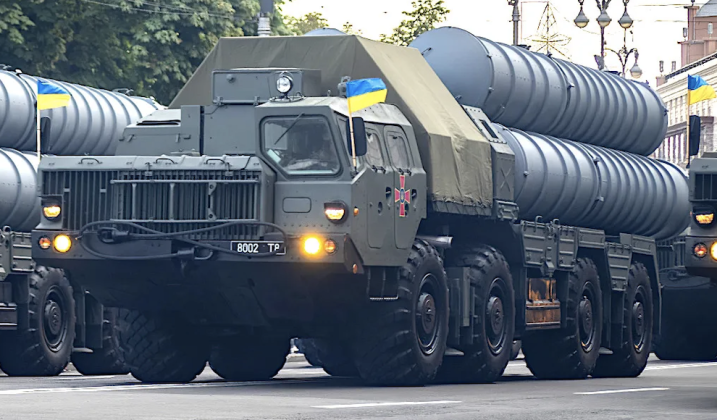
The United States and other NATO members gained extensive access to early variants of the S-300 system following the disintegration of the Warsaw Pact. These once-cutting-edge systems had been widely deployed by Warsaw Pact members in Eastern Europe that were subsequently absorbed into NATO and were highly willing to transfer them for study. Ukraine inherited a particularly large S-300 arsenal and is widely reported to have sent S-300PS or S-300PT systems to the United States for study. Nevertheless, these Soviet-era S-300s were far more constrained in their capabilities than the S-300PM family of systems—the first of which entered service in 1992—meaning they were never fielded by Warsaw Pact members. Despite this, Israel and multiple NATO member states gained access to newer S-300 variants and trained extensively against them in simulated engagements.
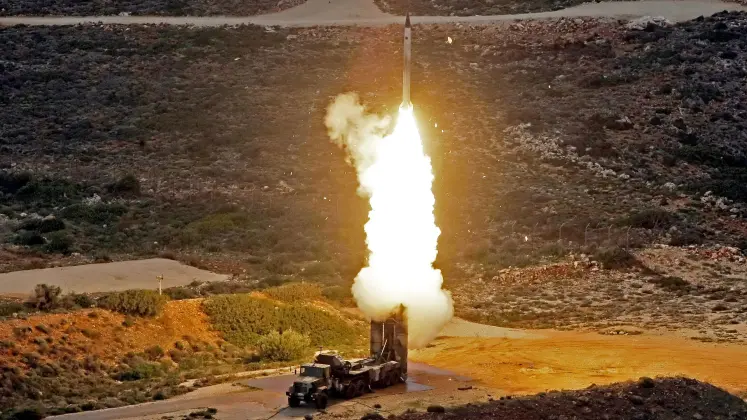
Following the sale of S-300PMU-1 systems to Cyprus, which were subsequently obtained by Greece, the Greek Armed Forces provided NATO allies and Israel with extensive opportunities to fly simulated attack missions against targets protected by the systems. These exercises familiarised NATO and Israeli forces with the radar wavebands in which the S-300PM system operated, while providing opportunities to test electronic warfare techniques and other tactics against them. Greece also provides training access to the S-300 site for officers from NATO member states and from Israel. Greek S-300s have also at times fired missiles during exercises, providing opportunities to perform live-fire evaluations of the missile’s engagement envelopes. In parallel to this cooperation, U.S. and Israeli delegations have visited Ukraine on multiple occasions to learn about the S-300’s capabilities and operational procedures, including its radar modes, command-and-control procedures, and vulnerabilities.
The Iranian S-300PMU-2 is closely related to the Greek S-300PMU-1, although having been produced nearly two decades later and benefitting from significant customisations; consequently, the degree to which it remains vulnerable to electronic warfare techniques and other measures developed during simulated engagements with Greek systems remains uncertain. It is highly possible that avoiding vulnerabilities to intelligence which adversaries gained through Greek systems was a specific consideration when customisation was requested. Beyond training with Greek systems, however, the U.S. Air Force has notably also conducted multiple operations to collect electronic intelligence on newer variants of the S-300 system during the Russian-Ukrainian War.
The U.S. Air Force, from early 2022, deployed F-35A fighters to fly near the Ukrainian theatre for signals intelligence operations, with Russian air defence systems—including newer S-300 variants—being primary targets. Regarding operations in Eastern Europe, 388th Fighter Wing Commander Colonel Craig Andrle elaborated in an interview on how these operations provided new information on the systems’ capabilities: “the jet is always sensing, gathering information. And it was doing that very, very well… We’re looking at an SA-20. I know it’s an SA-20. Intel says there’s an SA-20 there, but now my jet doesn’t ID it as such, because that SA-20 is operating, potentially, in a war reserve mode that we haven’t seen before.” The SA-20 is a NATO reporting name for the S-300PMU-1 and PMU-2 variants.
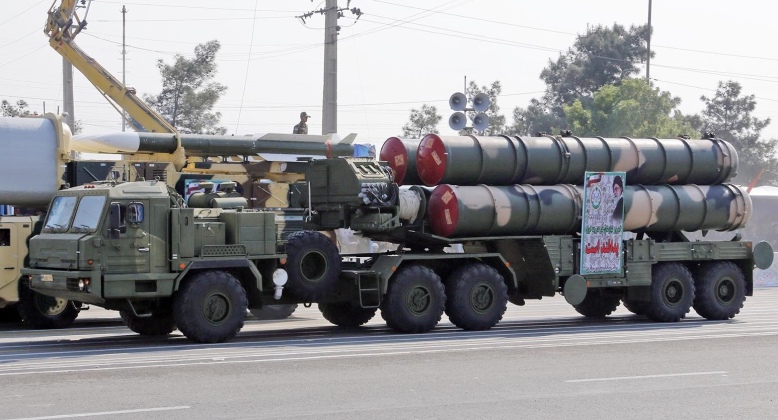
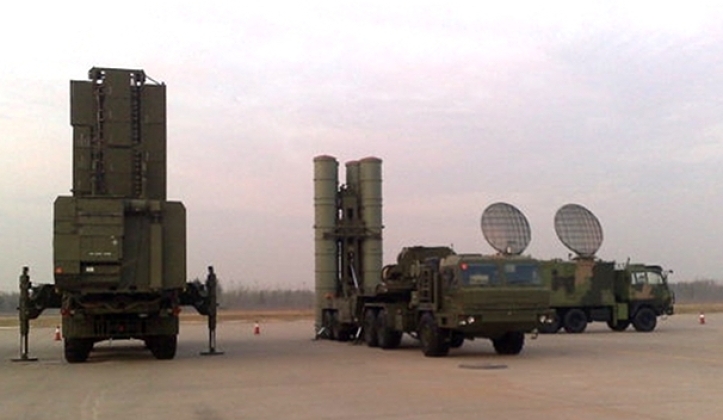
The value of being able to tackle S-300PMU-2 systems far exceeds their utility against Iran, with the systems also deployed by Vietnam, China, Russia, and Algeria—all of which are potential targets for future Western Bloc attacks—while the North Korean Pyongae-5 system is believed to have been developed with extensive technology transfers from the S-300PMU-1 program. Highlighting the importance of being able to tackle the systems, the U.S. Marine Corps in November 2025 used full-scale mockups of air defence systems closely resembling the S-300 in the Resolute Hunter 26-1 exercise at Naval Air Station Fallon. Although the operational effectiveness of Iran’s S-300 systems was expected to increase considerably in 2026 with the delivery of the first Su-35 fighters to the country—allowing the aircraft to provide targeting data and strengthen situational awareness—the initiation of attacks before these were delivered ruled out this possibility.