Eagle Pose (Garudasana)
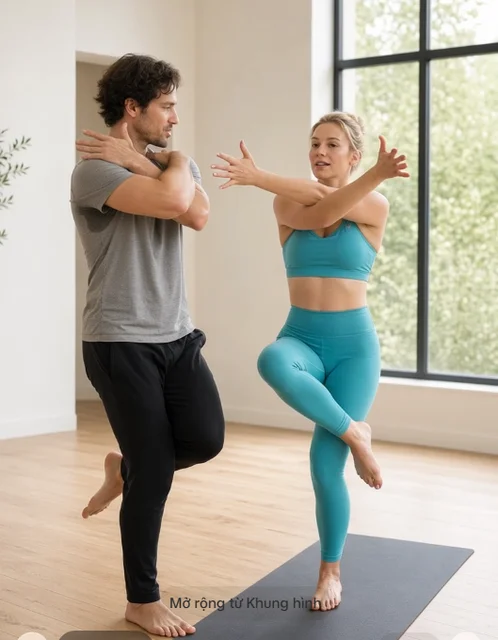
Eagle Pose, also known as Garudasana, is a standing yoga posture that combines balance, strength, flexibility, and concentration. Inspired by the powerful and graceful image of an eagle, this pose involves balancing on one leg while wrapping the opposite leg around it. At the same time, the arms cross in front of the chest, with the elbows bent and the palms pressing together or the backs of the hands touching.
This posture challenges overall body stability while creating a stretch across the shoulders, upper back, hips, and outer thighs. It also strengthens the legs, activates the core muscles, and improves coordination through controlled movement and focused breathing.
How to Perform Eagle Pose
Starting Position
Stand upright on your yoga mat with your feet together and your arms resting naturally beside your body. Keep your spine straight, shoulders relaxed, and gaze focused on a fixed point in front of you.
Bend Your Knees
Slowly bend both knees slightly and shift your body weight onto your left foot. Keep your standing foot firmly grounded and engage your abdominal muscles to maintain stability.
Cross Your Legs
Lift your right leg and cross it over your left thigh. If possible, wrap your right foot behind your left calf. Keep your hips facing forward and maintain steady balance on your standing leg.
Position Your Arms
Extend both arms forward at shoulder height. Cross your left arm over your right arm at the elbows, then bend both elbows and bring your forearms upward. If possible, wrap your forearms around each other until your palms meet.
Maintain Your Balance
Keep your elbows lifted approximately at shoulder height and gently draw your shoulders away from your ears. Move your hips slightly backward as if lowering into a small chair, while keeping your chest lifted and spine elongated.
Hold the Pose
Maintain the position for approximately 15–30 seconds. Breathe slowly and naturally while keeping your core engaged and your gaze fixed on one point. Relax unnecessary tension in your shoulders and neck.
Release and Switch Sides
Slowly unwrap your arms and legs, returning to a standing position. Relax your body for a few breaths before repeating the posture with the opposite leg and arm arrangement.
Benefits of Eagle Pose
Improves balance, coordination, and concentration.
Strengthens the thighs, calves, ankles, and core muscles.
Stretches the shoulders, upper back, and muscles around the shoulder blades.
Opens the hips and stretches the outer thighs.
Improves lower-body stability and body awareness.
Develops muscular endurance and controlled movement.
Encourages patience, focus, and mindful breathing.
Important Safety Tips
Warm up your ankles, knees, hips, and shoulders before practicing.
Keep your standing knee slightly bent and avoid locking the joint.
Do not force your raised foot behind your calf if your flexibility is limited.
Keep your hips as level as comfortably possible.
Avoid rounding your upper back excessively or lifting your shoulders toward your ears.
Beginners can keep the toes of the lifted foot lightly touching the floor for additional support.
Use a wall nearby if you have difficulty maintaining balance.
Stop practicing if you experience sharp pain in your knees, ankles, or shoulders.
Eagle Pose is an effective yoga posture that develops physical strength, flexibility, and mental concentration. With regular practice, proper alignment, and controlled breathing, it can help improve balance, strengthen the lower body, increase shoulder mobility, and develop greater body awareness and stability.
