Jeffrey Epstein owned one of the largest private properties in the state of New Mexico, a remote and expansive estate known as Zorro Ranch.
Located along a two-lane road between Albuquerque and Santa Fe, the property stretched across thousands of acres and included a large main residence, staff housing, and extensive grounds.
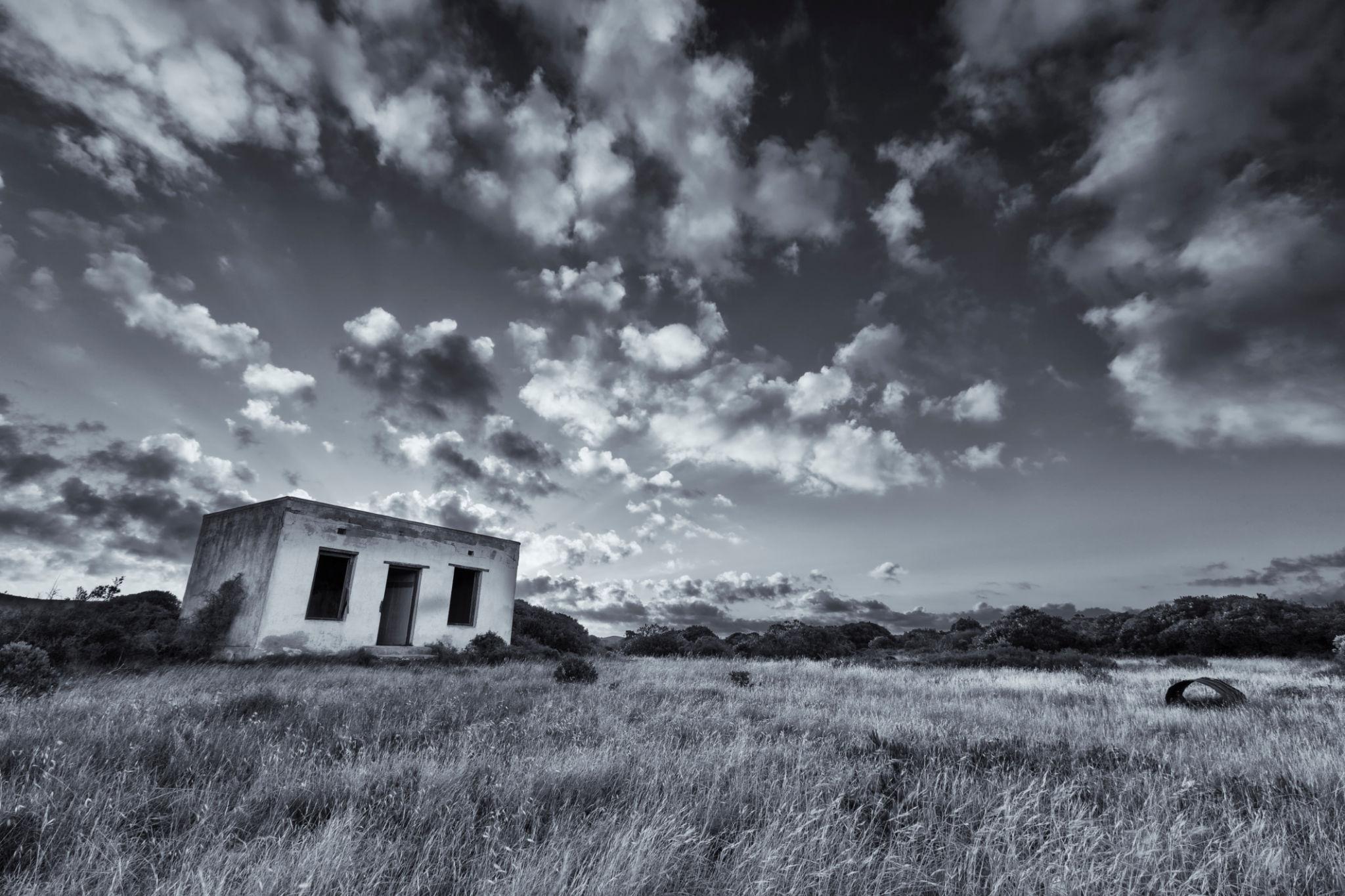
Over time, the ranch became a focal point in investigations into Epstein’s activities, as well as a subject of ongoing questions about what occurred there and why it was not thoroughly examined earlier.
Epstein purchased the property in 1993 from a former governor of New Mexico and renamed it Zorro Ranch.
The estate was situated in an isolated area, far from major population centers, and surrounded by open land.
The main residence, often described as a large compound, included features such as a pool, a library, and multiple rooms designed for private use.
Nearby, a cluster of cottages housed staff members who worked on the property. The ranch also included stables, open riding areas, and recreational facilities.
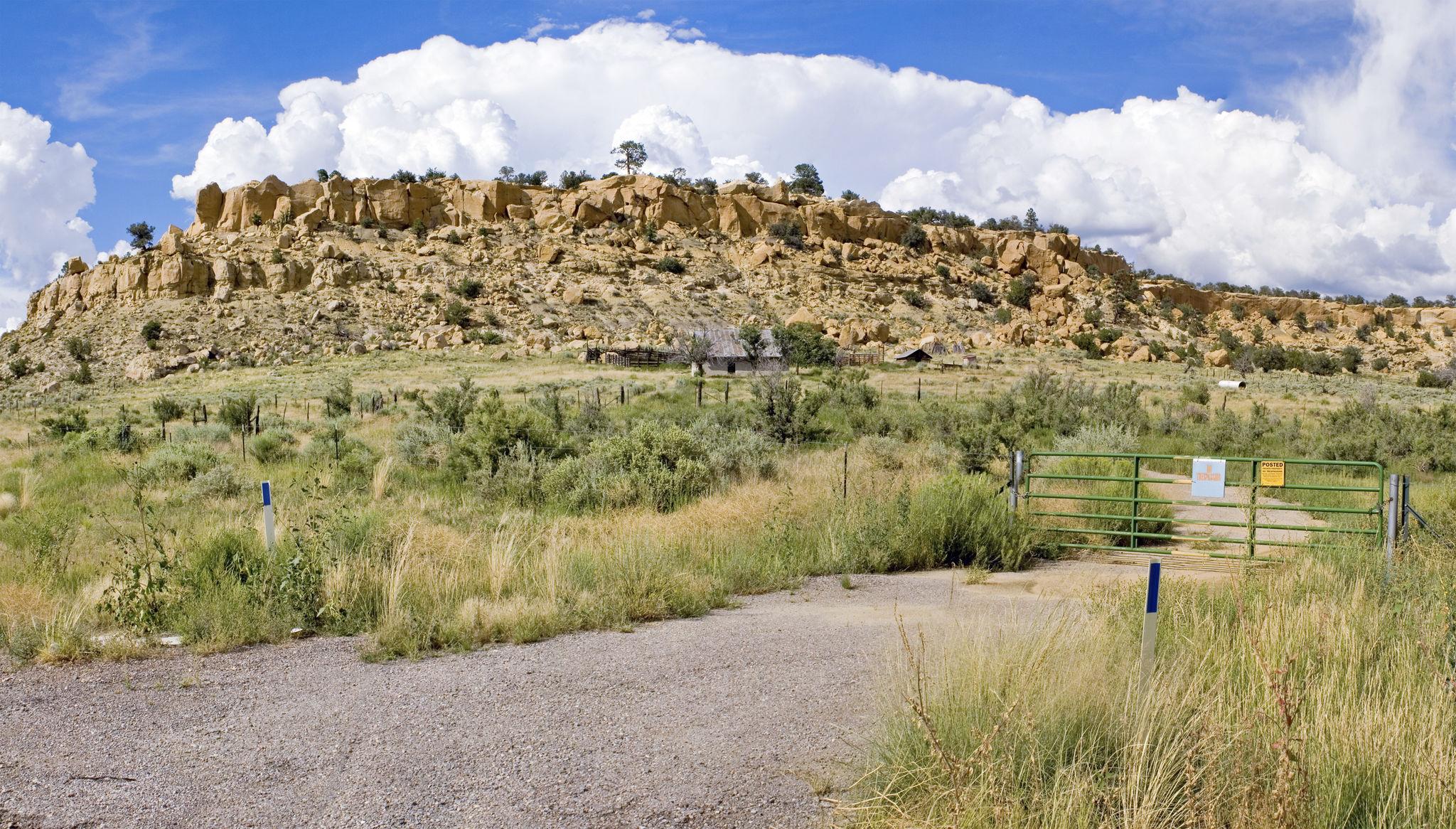
For years, Epstein maintained a low profile at the ranch. It was not until his arrest in 2019 that broader attention turned to his properties across the United States and abroad.
Investigations focused heavily on locations in Manhattan, Florida, and the Caribbean, where authorities conducted searches and gathered evidence.
However, the New Mexico ranch was not searched by federal investigators at that time. In the months following Epstein’s arrest, tips and allegations began to surface regarding possible activities at Zorro Ranch.
One individual, a local radio host who had covered the case extensively, reported receiving an anonymous email that raised serious concerns.
The message alleged that two women had been buried on the property following violent encounters.
The information prompted the host to contact federal authorities. He stated that he documented the contents of the email and reported it to the FBI.
According to his account, he did not receive any follow-up communication after submitting the information.
By the time the tip was reported, Epstein had already died in federal custody. Investigations into his network continued, but questions remained about whether all of his properties had been fully examined.
Federal officials indicated at the time that they did not have probable cause to search the New Mexico ranch.
That decision later became a point of criticism among state officials and others involved in reviewing the case.
The former Attorney General of New Mexico confirmed that his office had opened its own investigation into Epstein in 2019.
However, he stated that federal prosecutors requested that the state pause its efforts. According to his account, the request was made to avoid duplicating witness interviews and to prevent potential complications in ongoing federal proceedings.
He described the coordination as a common practice in cases involving multiple jurisdictions. Initially, the request to stand down was considered reasonable, as federal authorities were expected to lead the investigation and later share relevant findings with the state.
However, the former attorney general stated that this expected exchange of information did not occur.
He indicated that his office did not receive follow-up evidence that could have supported state-level charges or further inquiries.
The lack of information sharing led to questions about why the New Mexico property had not been searched, especially when other Epstein-owned locations were subject to extensive investigation.
The former attorney general stated that he only became aware of certain tips, including the reported email about alleged burials, years later when documents related to the case were released.
The ranch itself remained largely unexamined until more recently. In March, state investigators conducted a search of the property as part of a renewed inquiry initiated by the current New Mexico attorney general.
The investigation included access to land that Epstein had owned as well as additional acreage he had leased from the state.
Officials obtained the necessary permits to enter and examine the property. The search marked the first comprehensive effort by state authorities to inspect the ranch directly.
Questions persisted about whether earlier access could have produced additional evidence or clarified allegations made by survivors and others connected to the case.
Survivors of Epstein’s abuse have described their experiences at Zorro Ranch, providing accounts that contributed to the broader understanding of what occurred there.
At least ten individuals have stated that they were groomed or ᴀssaulted on the property.
Among them was Annie Farmer, who said she was 16 years old when she was flown to the ranch in the 1990s.
She reported that she had been told she would participate in a program related to education or volunteering.
Instead, she described being isolated and encountering inappropriate behavior, prompting her to seek refuge in a bathroom.
Another individual, Shaunte Davies, has publicly stated that she was ᴀssaulted at the ranch. Additional testimony from a Jane Doe described an incident in which she was subjected to Sєxual abuse at the age of 15.
In court statements, she recalled feeling powerless and unable to escape the situation. Rachel Benavidez, a mᴀssage therapist, described visiting the ranch in her twenties.
She recalled pᴀssing through multiple security checkpoints before reaching the main residence. She said the environment felt intimidating and isolating.
According to her account, she later experienced repeated abuse after being introduced to Epstein. She stated that she struggled to process the events and rarely spoke publicly about them until recently.
The physical layout of the ranch contributed to a sense of isolation described by survivors.
The property’s size and remote location meant that there were few nearby residences or witnesses.
Individuals who visited the ranch described it as a place where movement was controlled and communication with the outside world was limited.
In the years following Epstein’s death, calls for greater transparency continued. Lawmakers in New Mexico approved the creation of a commission to investigate activities connected to the ranch.
The commission was designed to examine what occurred on the property, identify potential failures in oversight, and provide a platform for survivors to share their experiences.
Members of the commission stated that their primary goal was not necessarily to pursue criminal prosecution, given the pᴀssage of time and the death of the central figure in the case.
Instead, they emphasized the importance of documenting events, understanding how the situation developed, and identifying any systemic issues that allowed it to continue.
The commission also expressed interest in reviewing unredacted federal documents related to Epstein. State officials indicated that they had requested access to investigative files that had been shared with federal authorities but had not been returned.
They stated that obtaining these records was essential to building a complete picture of what occurred.
Federal officials acknowledged the state’s investigation and indicated that they were prepared to ᴀssist as needed.
However, specific details about the requested documents were not publicly disclosed, and some requests remained pending.
The ranch has since changed ownership. In 2023, the property was purchased by a Texas-based real estate developer.
According to a spokesperson, the new owner has cooperated with state investigators and has not identified physical evidence of criminal activity linked to the previous owner.
The spokesperson also noted that the property has experienced incidents of trespᴀssing and vandalism since the ownership change.
Plans for the ranch include redevelopment, with the new owner proposing to transform the site into a retreat.
The property has been renamed, and construction activity has been observed near the entrance. Despite these changes, the location continues to draw attention due to its ᴀssociation with past events.
Near the entrance to the property, individuals have placed signs and memorials to acknowledge survivors and maintain public awareness.
Among those remembered is Virginia Roberts Giuffre, who had spoken publicly about her experiences and later died in 2025.
Members of her family have visited the area and described it as a place connected to significant trauma.
Giuffre had written about her time at the ranch, noting that she often chose to stay in a cottage rather than the main residence.
She described finding brief moments of relief while riding horses on the property, although she remained aware of the environment around her.
Family members stated that returning to the area was difficult but important in honoring her memory.
They emphasized the need for continued attention to the case and for survivors to have opportunities to share their experiences.
The investigation into Zorro Ranch remains ongoing at the state level. Officials have stated that they are working to gather information, review documents, and interview individuals who may have knowledge of events connected to the property.
They have also indicated that subpoenas may be used if necessary to obtain additional records.
The case has raised broader questions about coordination between federal and state authorities, the standards required for searches, and the challenges of investigating complex cases involving multiple jurisdictions.
It has also highlighted the importance of survivor testimony in understanding events that may not have been fully documented at the time.
While some aspects of the case may no longer be subject to prosecution, officials have emphasized that documenting the truth remains a priority.
The investigation aims to provide clarity about what occurred at Zorro Ranch and to address concerns about missed opportunities in earlier inquiries.
As efforts continue, state officials have reiterated their commitment to examining all available evidence and ensuring that survivors’ accounts are included in the historical record.
The outcome of the investigation may not result in criminal charges, but it is expected to contribute to a more complete understanding of the events ᴀssociated with the property and the broader case.