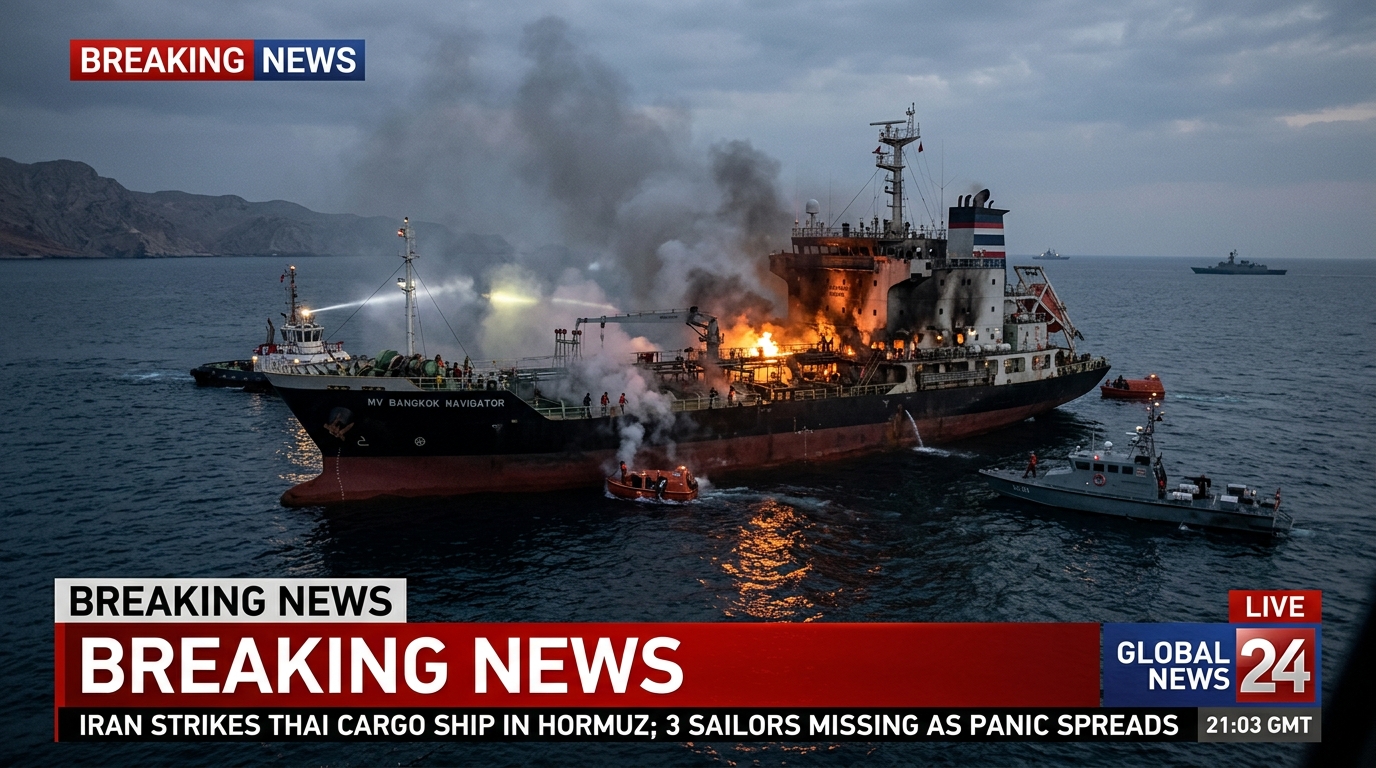
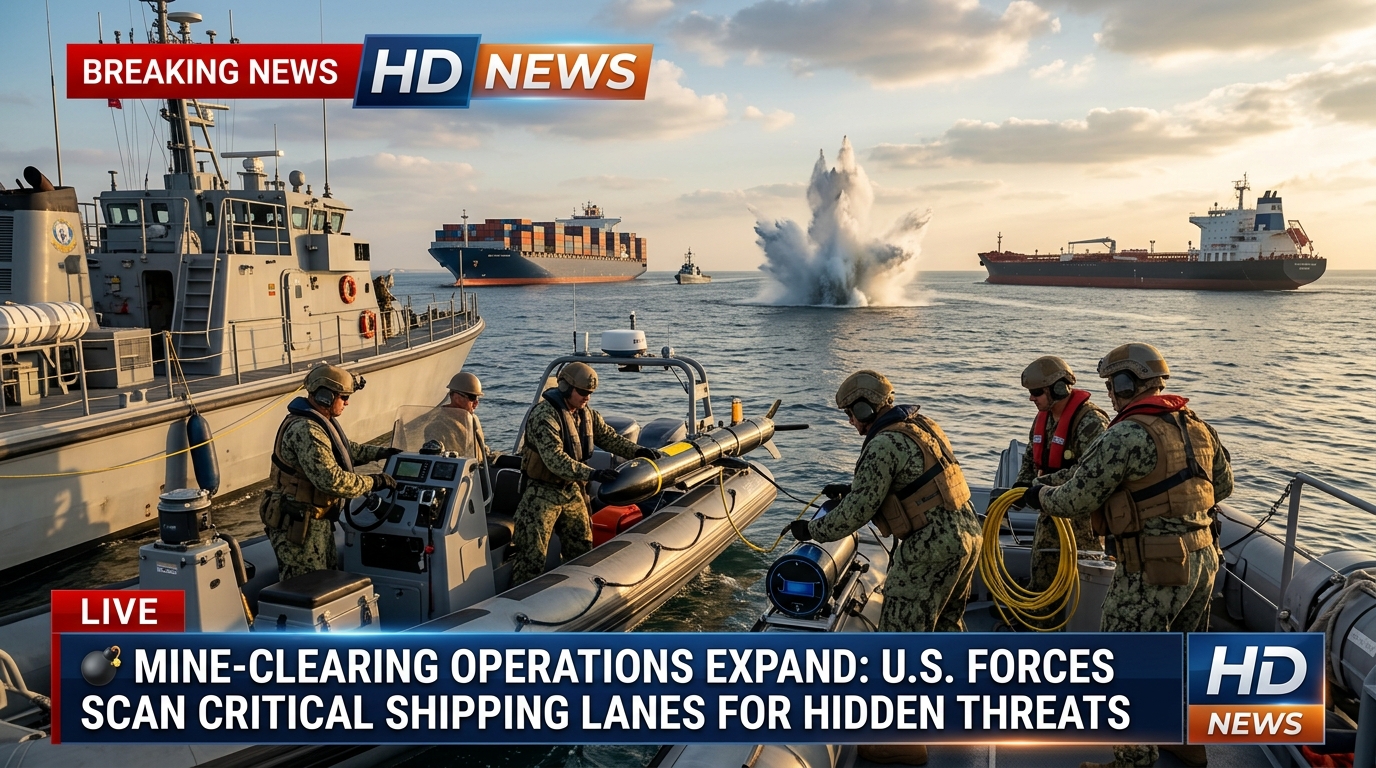
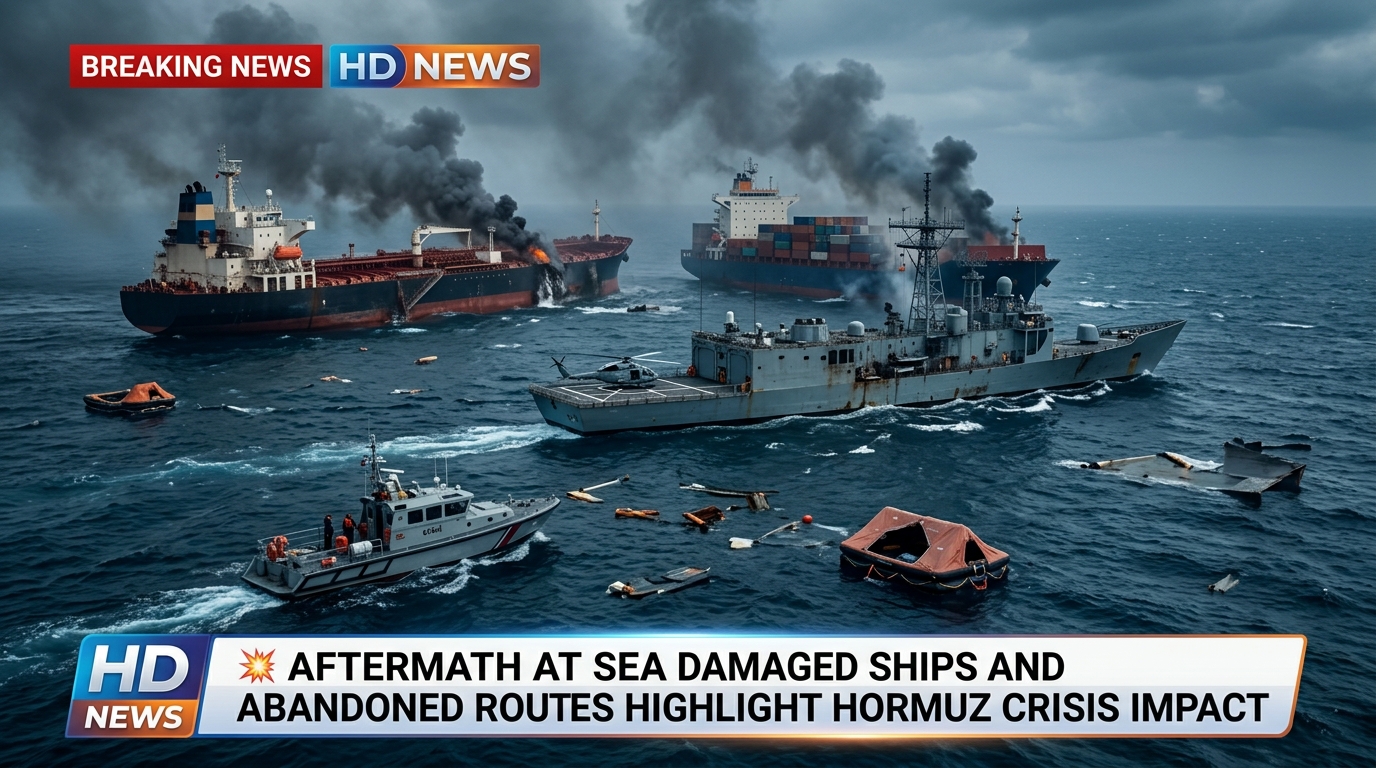
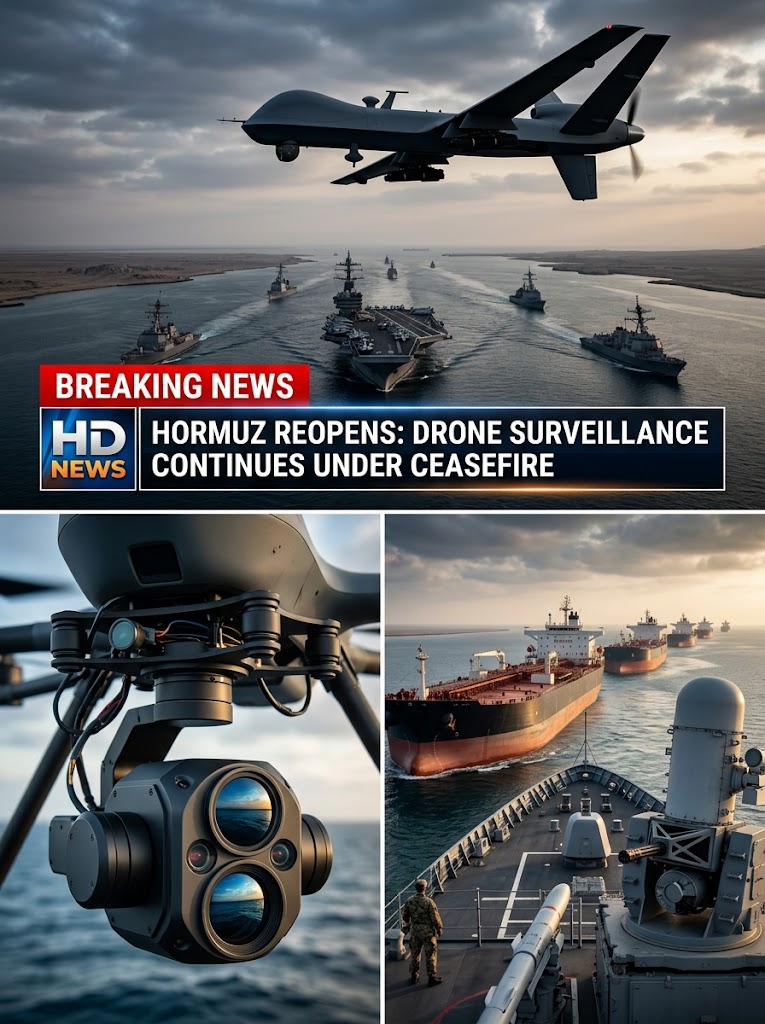
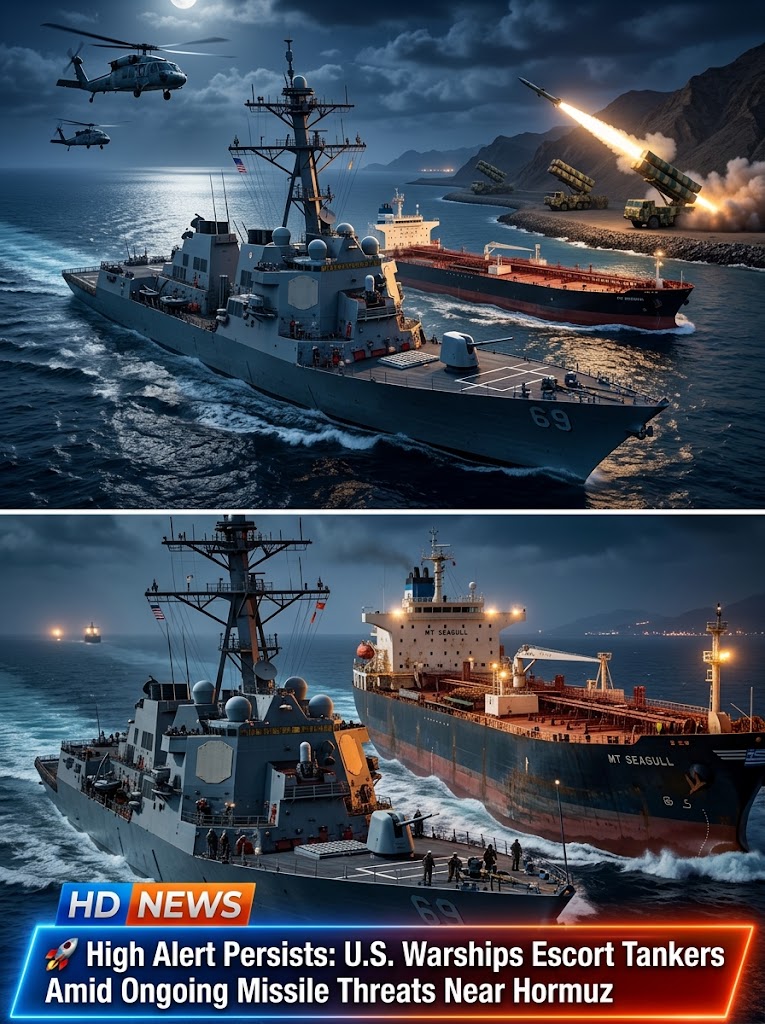
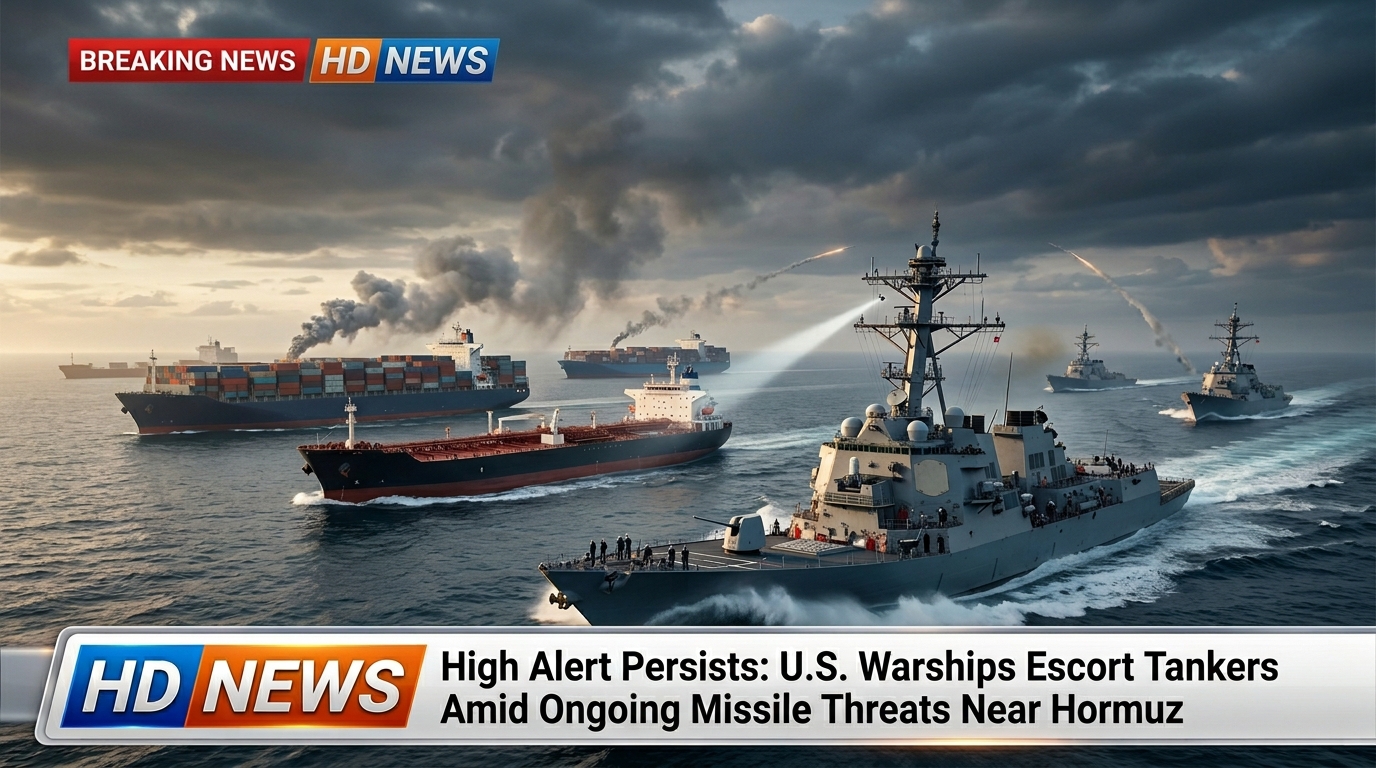
Claims that Iranian warships opened fire on a U.S. submarine followed by a “devastating” outcome are circulating widely, but as of now there is no credible, independently verified evidence confirming such an engagement. No official statements from the U.S. Navy or reliable international reporting have substantiated a direct naval clash of this nature.
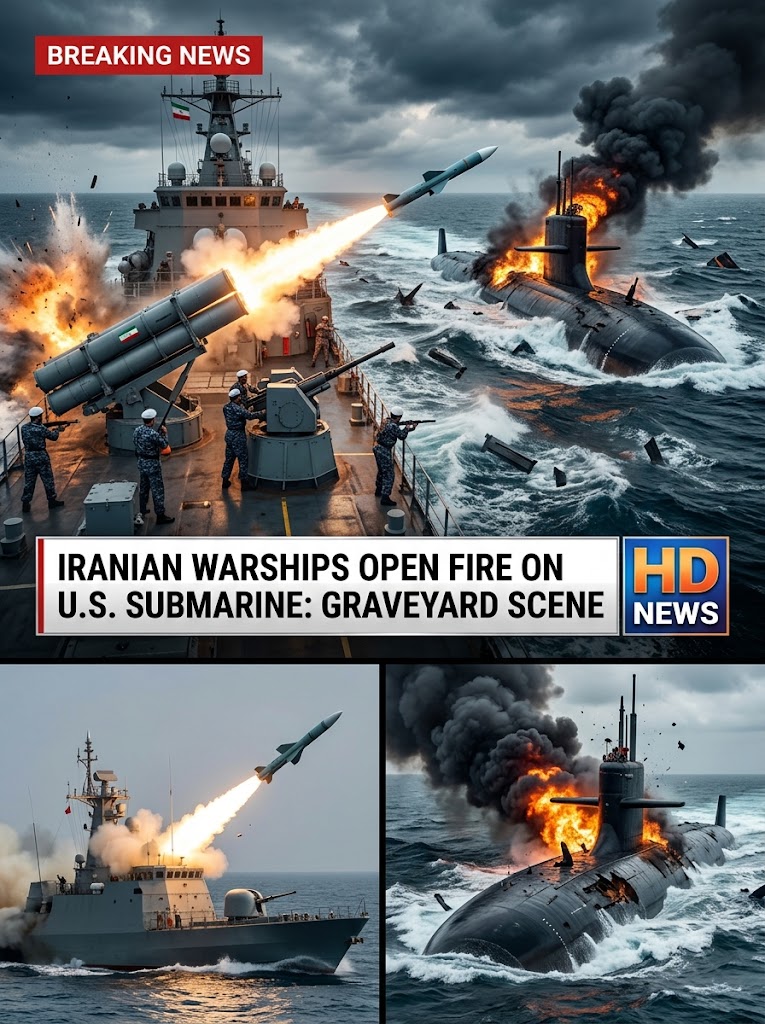
From an operational standpoint, the scenario itself raises important questions. Submarines operate covertly and are rarely exposed to direct surface engagement. A submerged submarine cannot be targeted by conventional gunfire from warships; instead, anti-submarine warfare relies on sonar detection, torpedoes, and depth charges. If a submarine were detected and engaged, it would typically involve a complex tracking process rather than an immediate surface exchange.
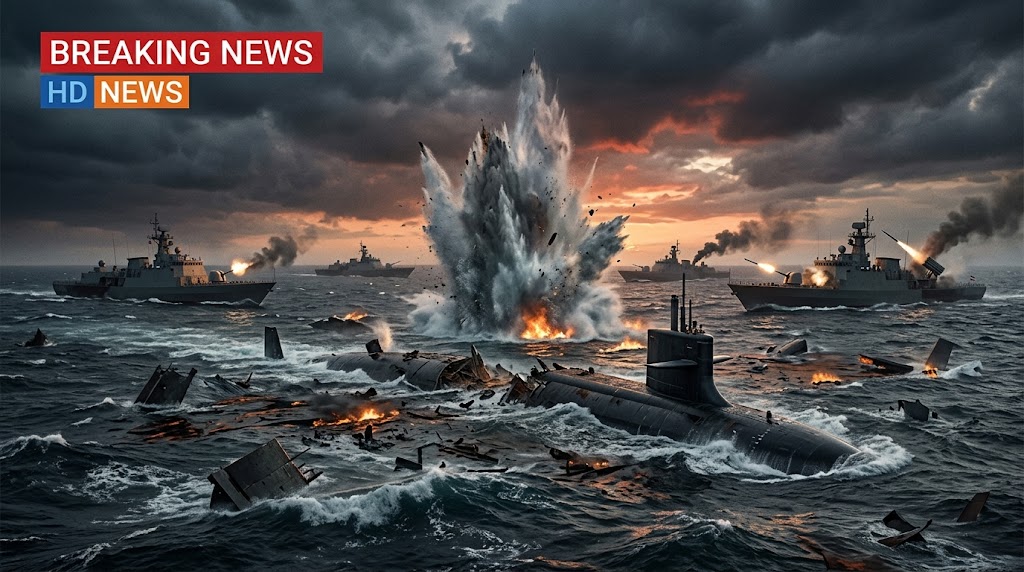
Modern U.S. submarines are among the most advanced and stealth-capable platforms in naval warfare. They are designed to avoid detection, operate silently in contested waters, and strike from long range using torpedoes or cruise missiles. Any confirmed attack on such a platform — especially one resulting in damage or destruction — would represent a major escalation and would almost certainly be reported across multiple verified channels.
At the same time, Iran maintains a naval doctrine focused on asymmetric tactics, including fast attack craft, coastal missile systems, and limited submarine capabilities. While these forces can pose real threats in confined environments like the Persian Gulf, direct engagements with U.S. submarines are rare and difficult to execute successfully.
The narrative of a “devastating aftermath” likely reflects either speculation or exaggerated reporting. In modern conflicts, especially those involving high strategic stakes, unverified claims of major victories or losses often emerge quickly and spread widely before being confirmed.
What can be stated with confidence is that tensions in the region remain high, and both sides are operating in close proximity under conditions where miscalculation is possible. However, without consistent confirmation from credible sources, the specific claim of Iranian warships attacking a U.S. submarine and causing a decisive outcome should be treated as unverified.
In situations like this, distinguishing between confirmed events and narrative-driven reports is essential. The available evidence at this time does not support the claim as presented.