The deployment of a third U.S. aircraft carrier strike group to the Middle East represents a significant escalation in military posture and strategic capability. A single carrier strike group already functions as a mobile airbase, equipped with dozens of aircraft, guided-missile destroyers, and advanced surveillance systems. With three carriers operating in or near the region, the United States gains the ability to sustain continuous, large-scale air and naval operations without interruption.
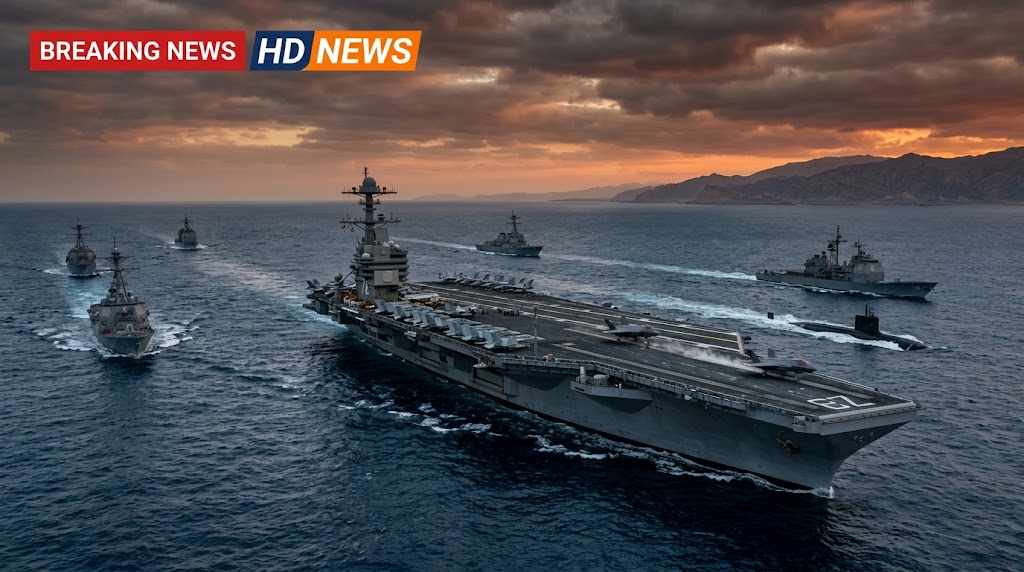
This level of force enables a constant cycle of airstrikes, reconnaissance, and rapid response missions across multiple fronts. Aircraft can be rotated between carriers, allowing for uninterrupted operational tempo day and night. At the same time, escort vessels provide substantial cruise missile capabilities, expanding the reach and intensity of potential strikes. The presence of multiple carriers also allows for simultaneous operations in different مناطق, increasing pressure on opposing forces and complicating defensive planning.
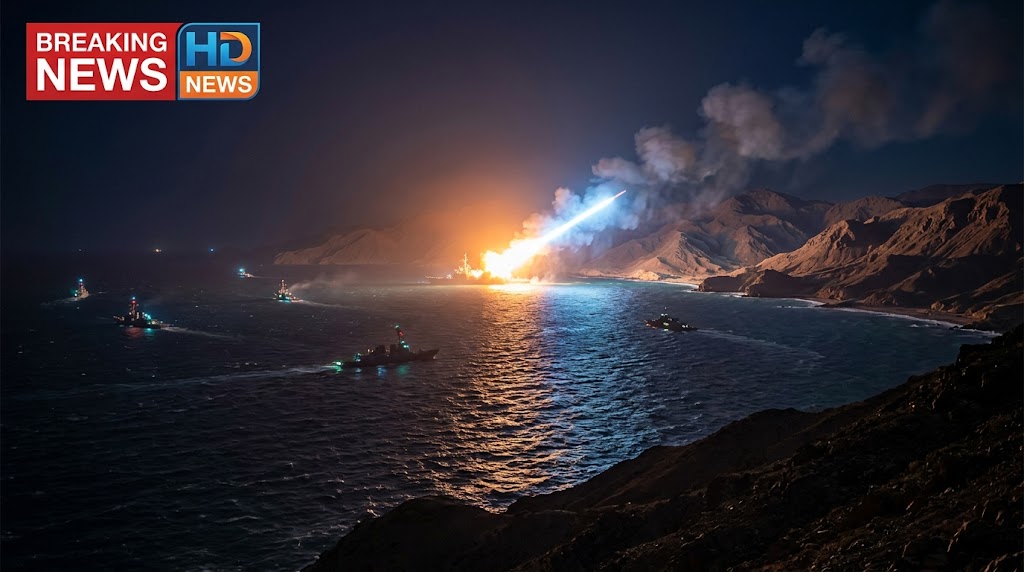
Geographically, the positioning of three carrier groups creates a form of strategic encirclement. Forces operating from the Mediterranean, the Arabian Sea, and the Persian Gulf can coordinate to project power from multiple directions. This multi-axis presence reduces predictability and limits the effectiveness of traditional defensive strategies, particularly for a country relying on asymmetric tactics such as fast attack boats, missiles, and drones.
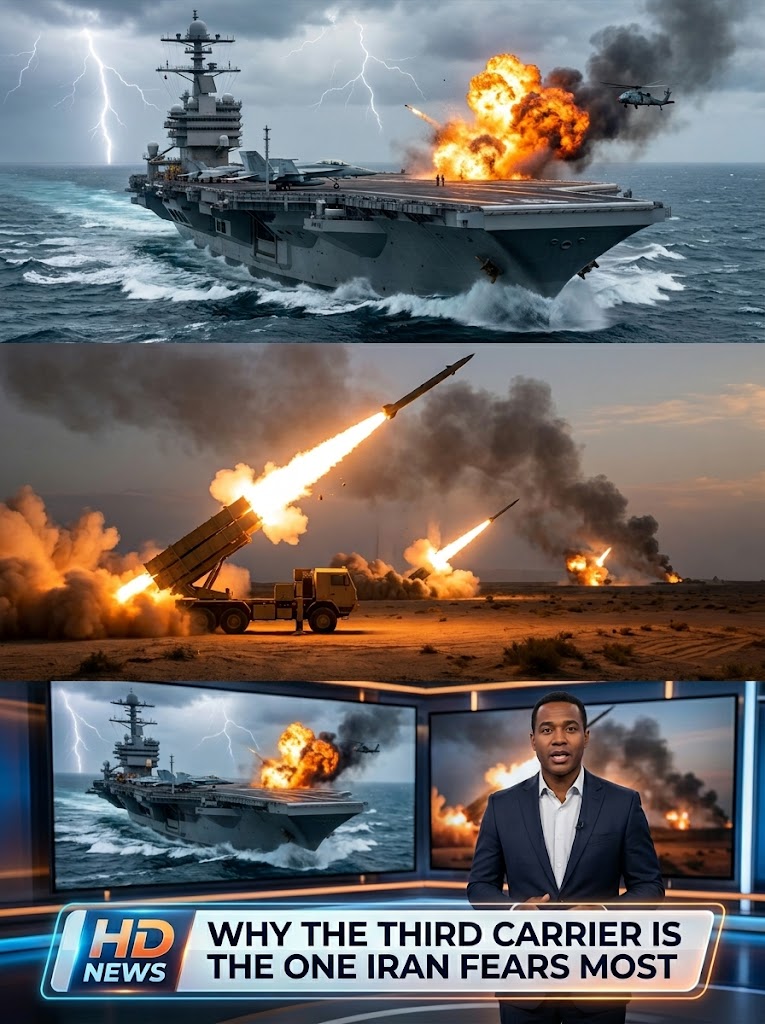
The third carrier is especially significant because it signals not just readiness, but endurance. While one or two carriers can support limited or short-term operations, a third allows for sustained campaigns over an extended period. It ensures that operations can continue even as forces rotate, resupply, or reposition. In practical terms, it transforms a show of force into a structure capable of prolonged conflict if required.
For Iran, this shift presents a substantial challenge. The scale, flexibility, and persistence of three carrier strike groups make it difficult to respond effectively without risking rapid escalation. It also increases pressure on critical areas such as the Strait of Hormuz, where control of maritime routes is closely tied to both economic stability and military leverage.
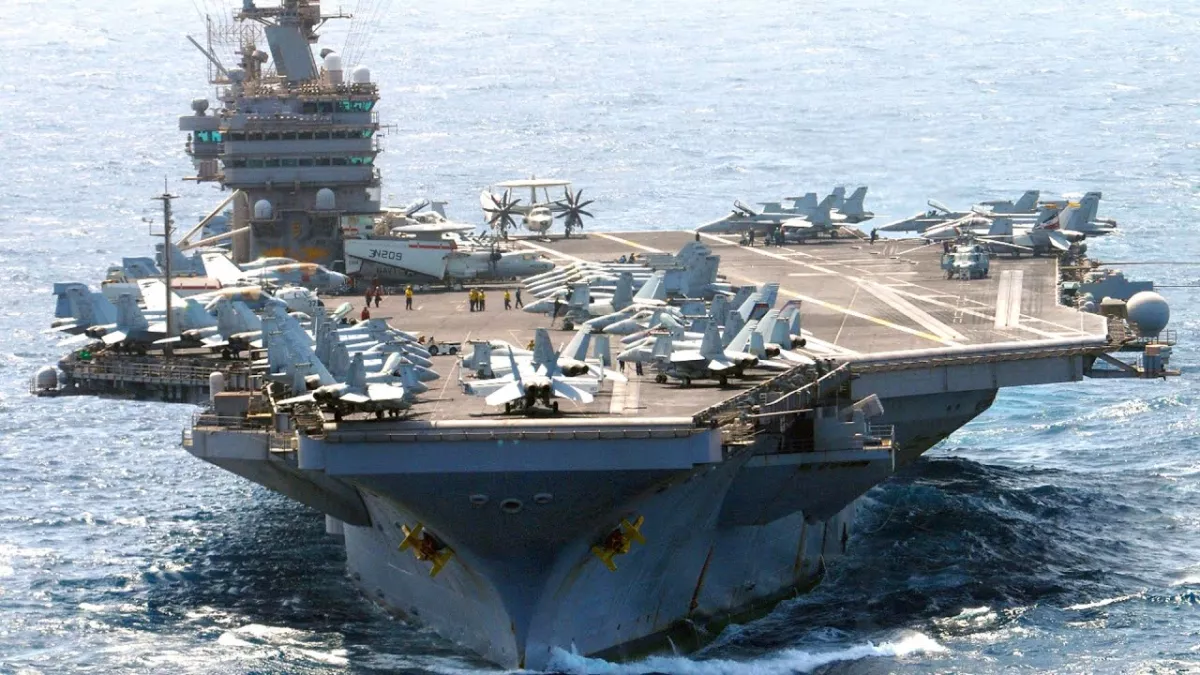
Overall, the introduction of a third U.S. carrier into the region alters the balance from deterrence toward sustained operational capability, reinforcing the United States’ ability to project power, maintain pressure, and respond quickly across a wide and strategically vital المنطقة.