1. The Opening Phase (First Day – First Week): Surprise and Shock
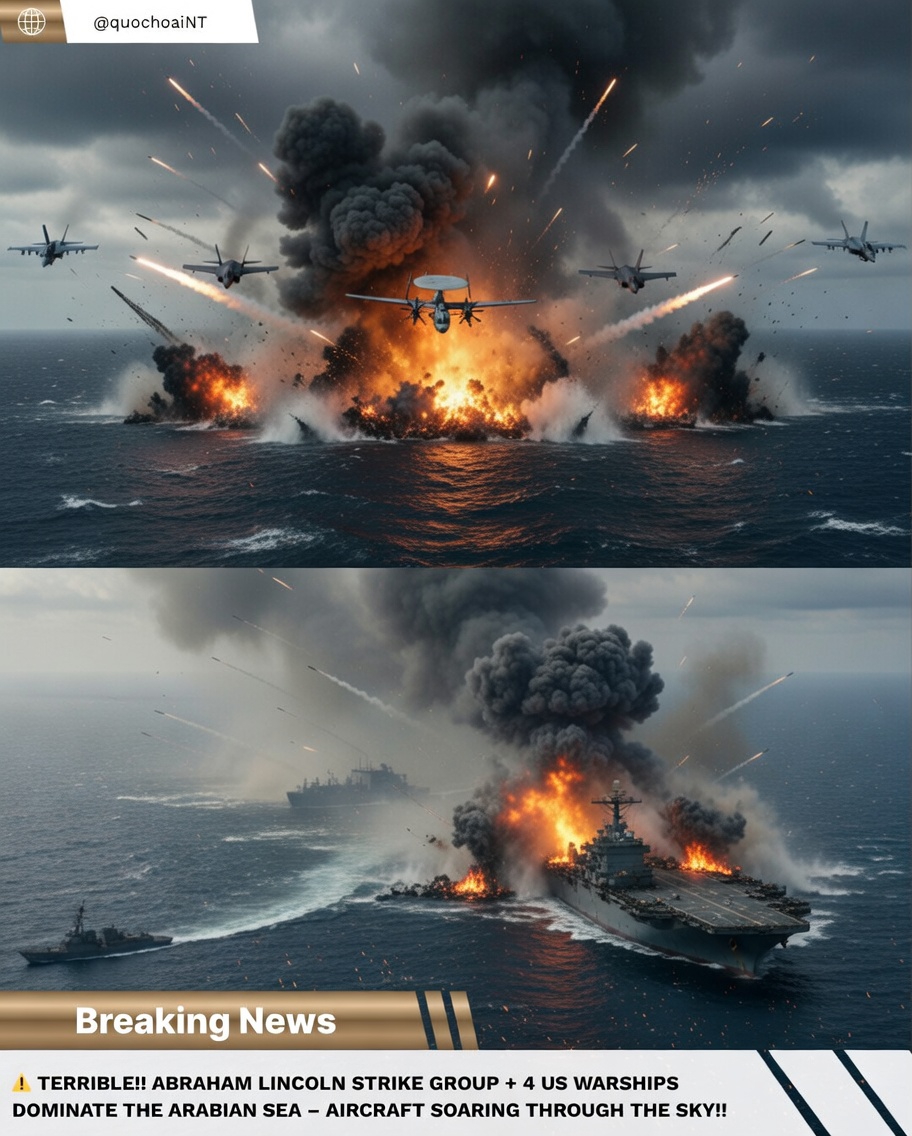
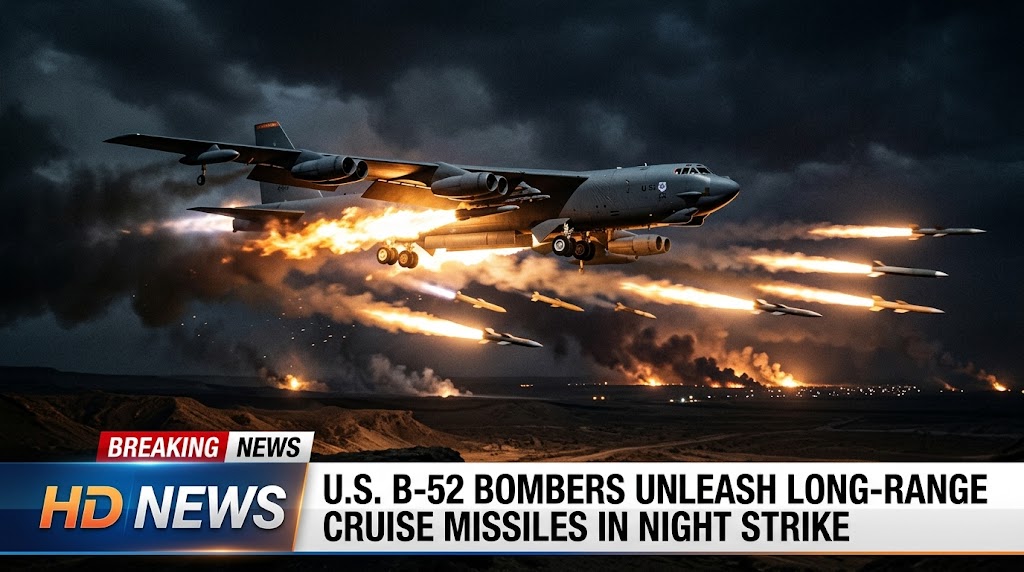
The US and Israel launched an unprecedented large-scale airstrike, using F-35s, B-2s, Tomahawk cruise missiles, and bunker-buster bombs. The main targets were nuclear facilities (Natanz, Fordow), ballistic missile depots, drone manufacturing plants, military ports, and several high-ranking IRGC commanders.
Iran was caught completely by surprise; its S-300/S-400 air defense system was quickly neutralized. Supreme Leader Ali Khamenei was killed in the initial attack (according to some sources), and his son Mojtaba Khamenei succeeded him but was injured.
Iran responded immediately with asymmetric warfare:
Firing hundreds of ballistic missiles and drones at Israel, US bases in Iraq and Syria, the UAE, Qatar, and Saudi Arabia.
The Strait of Hormuz was completely closed – a shipping route for 20-25% of the world’s oil. Oil tankers were attacked, mines were laid, and Brent crude prices soared above $120 per barrel in just a few days.
Proxy groups (Hezbollah, Houthis, Iraqi militias) were activated, although significantly weakened after previous attacks.
2. Escalation Phase (Weeks 2–4): Prolonged Asymmetric Warfare
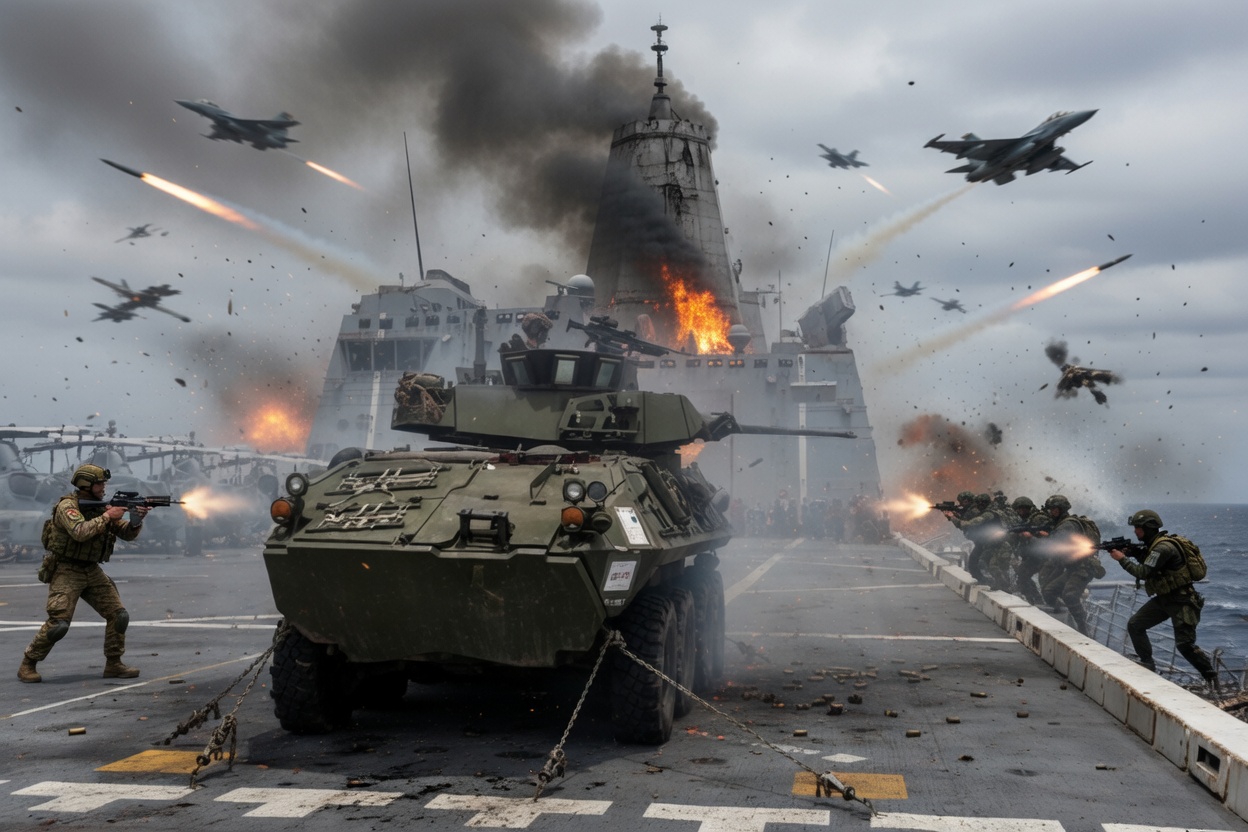
The US and Israel continued airstrikes on thousands of targets: power plants, oil depots, ports, and defense industrial areas. They claimed to have “neutralized Iran’s uranium enrichment and missile production capabilities.”
Iran, unable to engage in direct air or sea confrontation, shifted to:
Attacking commercial ships and energy infrastructure in the Gulf.
Attacking US bases with drones and long-range missiles.
Inciting internal protests and guerrilla terrorism.
Global economic consequences: Soaring oil prices, widespread inflation, and Europe and Asia suffering heavy losses due to their dependence on gas and oil from the Gulf region.
3. The Present (End of March 2026 – Day 28 of the War)
The war is still ongoing with no absolute victory for either side:
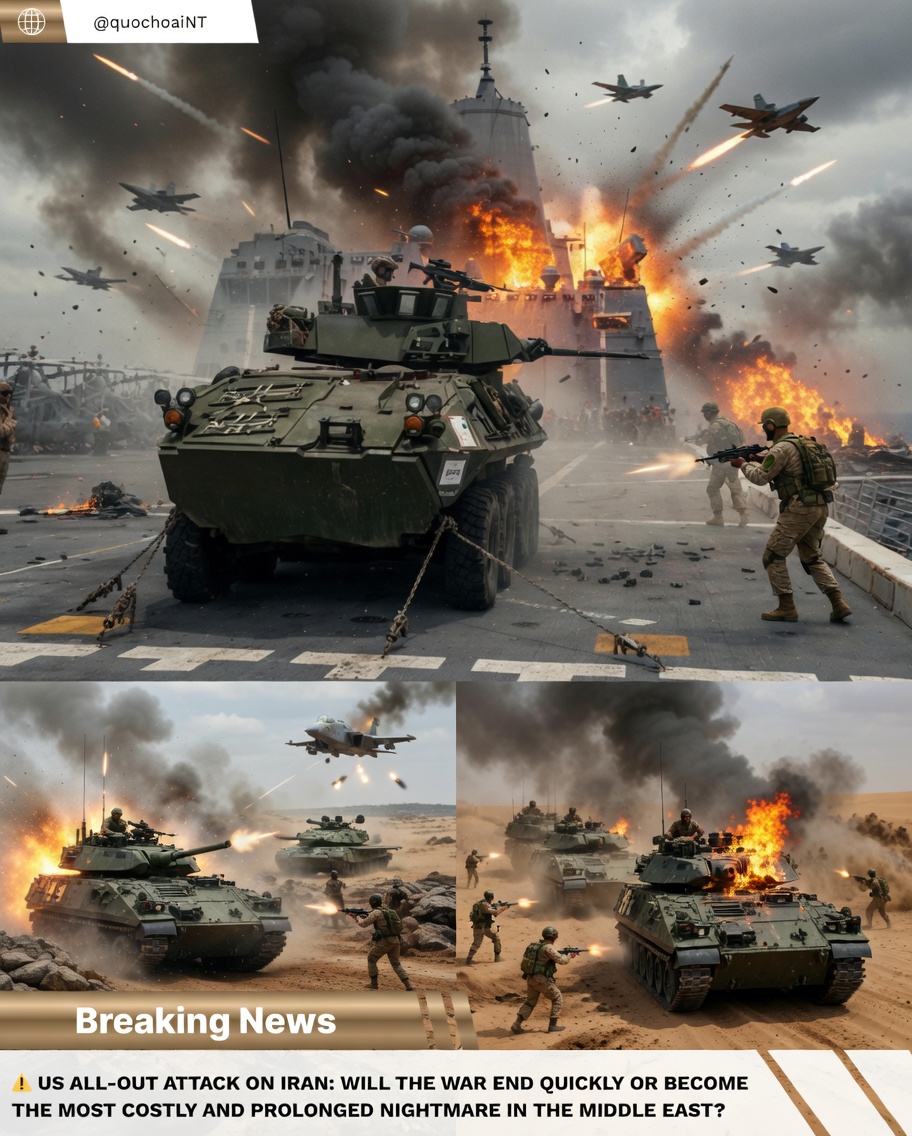
The US and Israel control the skies and seas, but have not dared to send large ground troops into Iran (for fear of a repeat of Iraq/Afghanistan).
Iran still exists, its regime has not collapsed, and it continues to fire missiles and drones regularly (though gradually decreasing). The Strait of Hormuz remains partially blockaded, creating immense economic pressure.
Trump claims to be “in very strong negotiations” with Iran, but Tehran rejects this, demanding war reparations and recognition of sovereignty over the Strait of Hormuz.
Russia and China provide intelligence, drones, and satellites to Iran, but have not intervened directly.
4. Most Likely Future Scenarios (Ranked by Catastrophic Level)
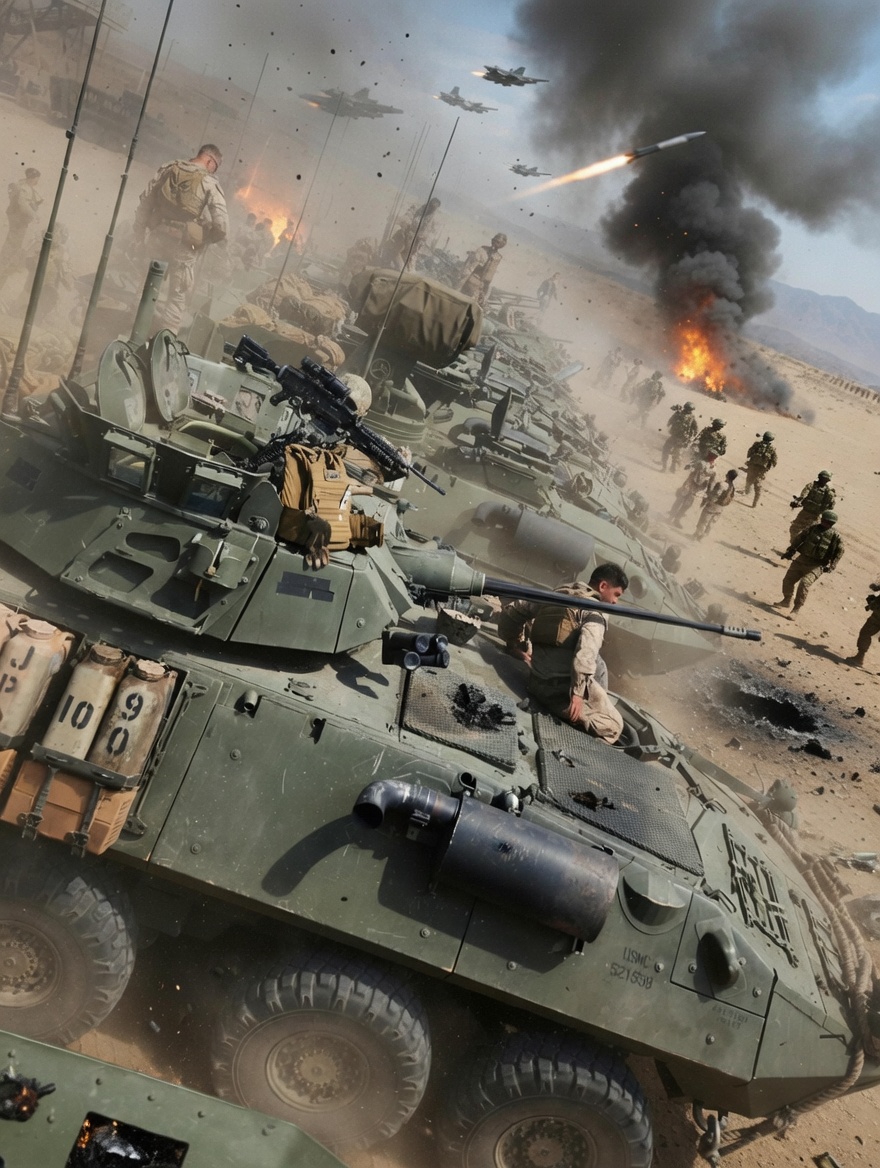
Conditional Victory Scenario (Currently Most Probable): The US and Israel continue airstrikes until Iran agrees to negotiations, abandoning its nuclear, missile, and proxy programs. The Iranian regime is severely weakened but still holds on. The Strait of Hormuz reopens after a few weeks, and oil prices gradually fall. Iran “loses” but does not completely collapse.
Regional Escalation Scenario: Iran activates all its proxies, Hezbollah opens a second front against Israel. Arab countries (Saudi Arabia, UAE) are drawn in. Oil prices reach $150-200, leading to a global recession. The US is forced to send tens of thousands more troops.
Internal Chaos Scenario in Iran (Very Dangerous): The regime collapses, but not with “democracy blossoming,” but rather with civil war between the IRGC, militias, and factions. Iran disintegrates into many regions, similar to Libya in 2011 but on a much larger scale. Chaos spreads to Iraq and Afghanistan.
Worst-case scenario: Iran accelerates its secret nuclear program (they still possess the knowledge and some uranium). If the regime feels it has “nothing to lose,” it could test nuclear weapons or launch a frenzied attack – leading to a nuclear retaliation (though the probability is low).
In short: “Total attack” is not the endgame ʙuттon.
The US has an overwhelming advantage in technology and air power, but Iran has geographical advantage, patience, and guerrilla warfare. The war has lasted over a month, cost hundreds of billions of dollars, killed thousands, and shows no sign of ending quickly. This isn’t a Hollywood movie – this is the geopolitical reality of 2026: a war nobody really wants, but once started, it’s very difficult to stop.