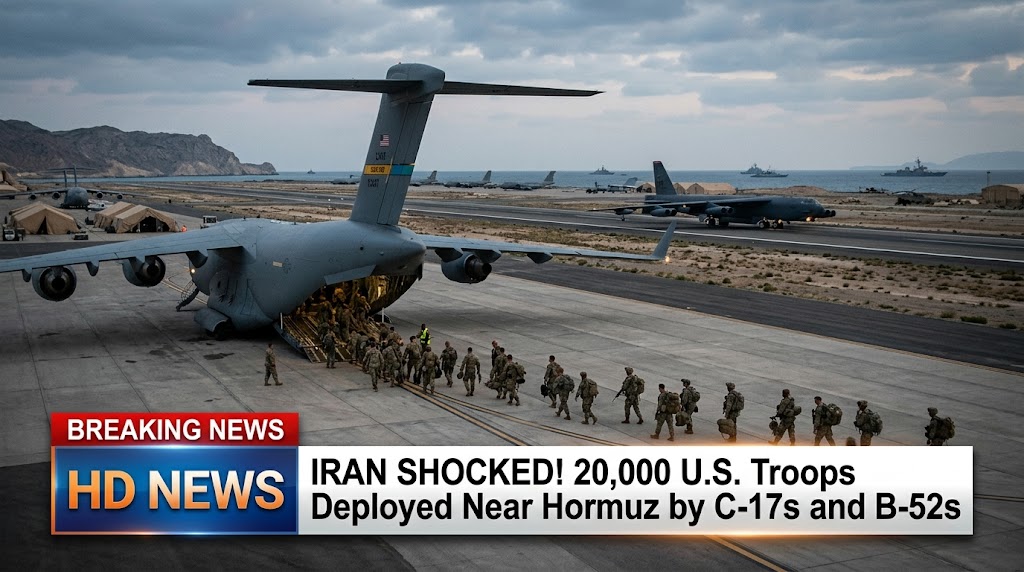
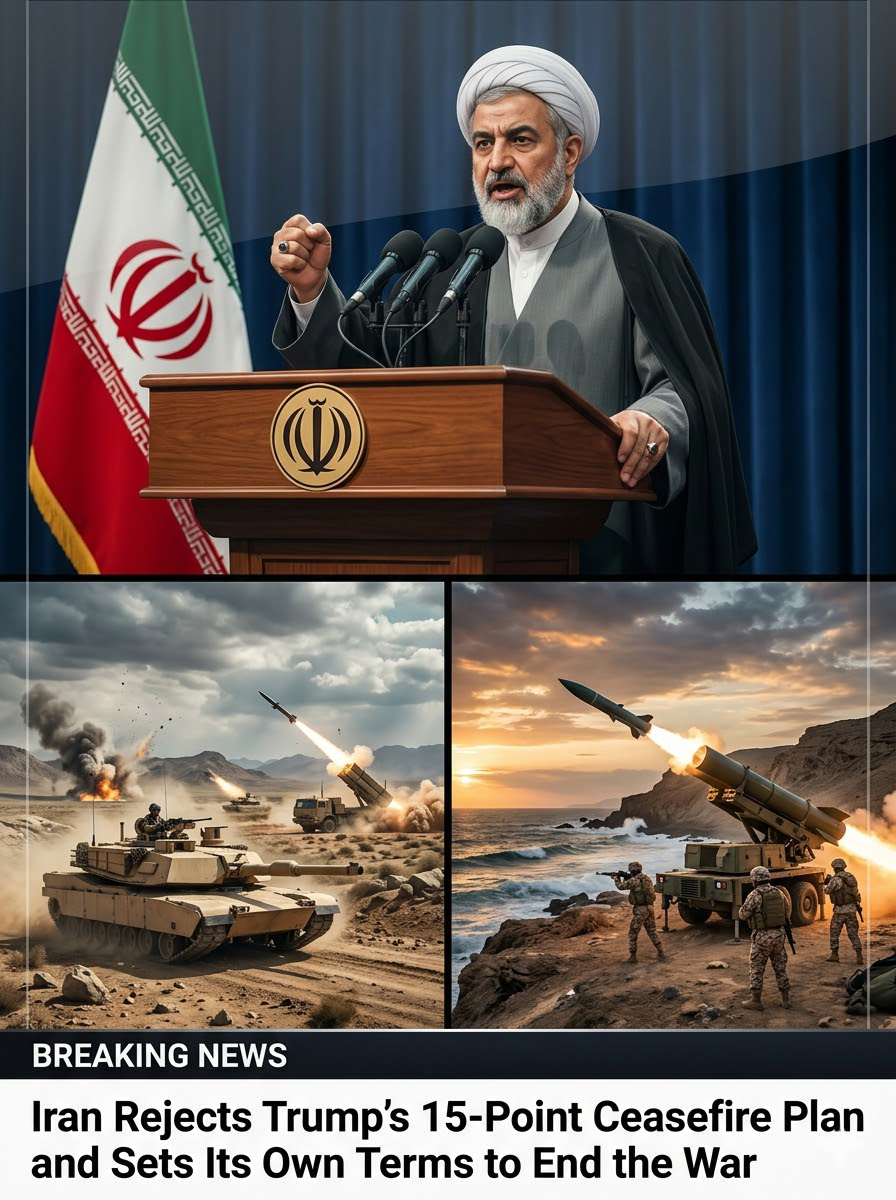
As the US-Israel war against Iran entered its fourth week on March 25-26, 2026, a major diplomatic setback emerged. The Trump administration sent Tehran a detailed 15-point ceasefire proposal through Pakistani intermediaries, hoping to create an off-ramp from the escalating conflict. Iran swiftly rejected the plan, calling it “excessive and unrealistic,” and responded with its own counter-demands, insisting the war would end only on Tehran’s terms.
The US proposal, delivered on or around March 24, reportedly includes core demands such as the dismantling or severe restriction of Iran’s nuclear facilities (including Natanz and Fordow), strict limits on ballistic missile development and stockpiles, a halt to support for regional proxy groups (the so-called Axis of Resistance, including Hezbollah and the Houthis), and guaranteed unrestricted international navigation through the Strait of Hormuz. In return, Washington offered phased sanctions relief and a possible one-month temporary ceasefire to allow further negotiations.
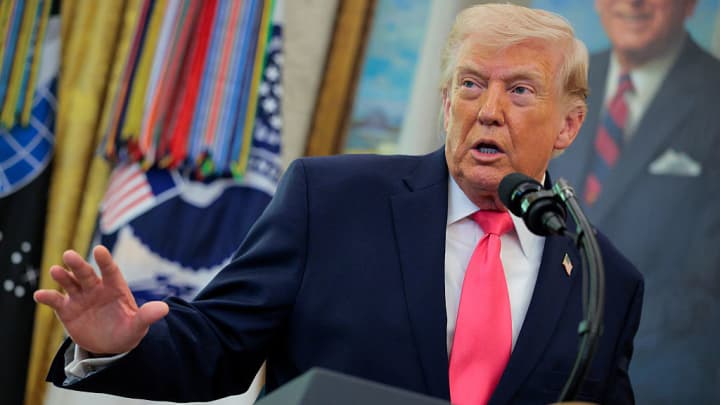
President Donald Trump has described the indirect communications as “very good and productive,” suggesting Iran was eager for a deal but reluctant to admit it publicly. He postponed a threatened strike on Iranian power plants to give diplomacy space.
Iran’s Firm Rejection and Counter-Demands
Iranian officials, including Foreign Minister Abbas Araghchi, categorically denied any meaningful negotiations. State television and senior sources stated that Tehran received the proposal but viewed it as one-sided and unacceptable. “There are no conversations and no negotiations with the United States,” Araghchi told Iranian media. Another official mocked the situation, saying the US was “negotiating with itself” and warning, “Don’t call your failure an agreement.”
Instead of accepting the US framework, Iran outlined its own five-point counter-proposal:
Immediate and complete cessation of all US and Israeli military aggression against Iran and its allied resistance groups.
Strong international guarantees and mechanisms to prevent any future attacks or regime-change attempts.
Payment of reparations and compensation for the extensive damage caused by the war.
A comprehensive ceasefire covering all fronts, including proxy conflicts in Lebanon, Iraq, and Yemen.
Full international recognition of Iranian sovereignty and control over the Strait of Hormuz.
Iranian leaders, including those close to the new Supreme Leader Mojtaba Khamenei, emphasized that any agreement must respect Iran’s national dignity and security interests. Hardline elements within the Islamic Revolutionary Guard Corps (IRGC) appear particularly opposed to concessions on the nuclear program or missile capabilities.
Continued Fighting Despite Diplomatic Efforts
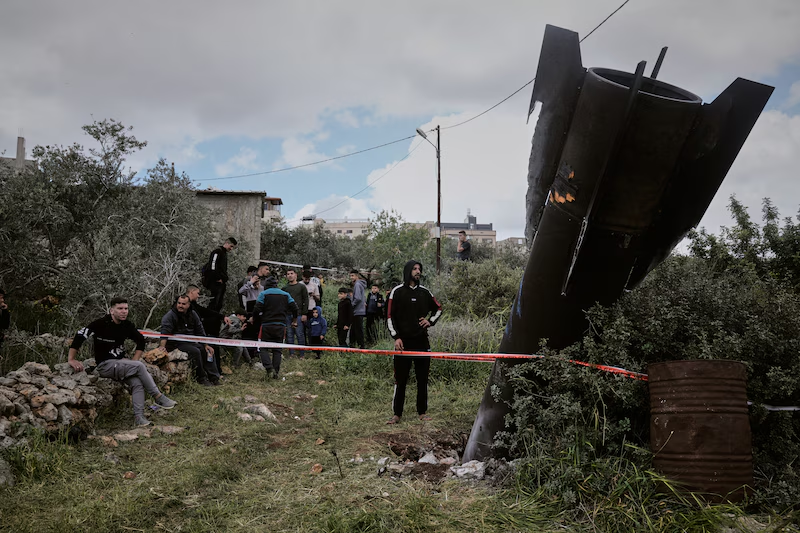
While back-channel talks continue through Pakistan (which has offered to host formal negotiations), military operations have not paused. Israel conducted further airstrikes on targets in Tehran and other Iranian cities, while expanding its buffer zone in southern Lebanon toward the Litani River. Iran maintained its barrage of ballistic missiles and drones against Israeli territory and US-linked bases in the Gulf region, with recent strikes causing damage and fires at facilities including Kuwait International Airport.
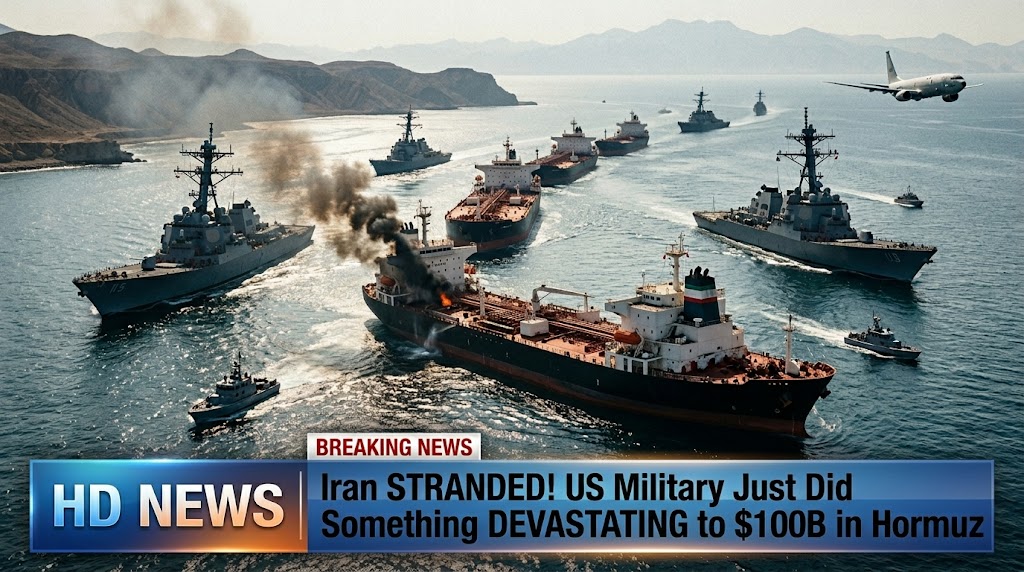
The Strait of Hormuz remains a critical flashpoint. Iran continues to restrict shipping, allowing only “non-hostile” vessels under strict conditions, which has kept global oil prices volatile and above $100–$120 per barrel. Tehran has repeatedly threatened a complete closure if the US attacks its power plants or energy infrastructure.
Deep Mistrust and High Stakes
The wide gap between the two proposals highlights the profound mistrust built over decades — and intensified by the opening “decapitation” strikes of Operation Epic Fury that killed former Supreme Leader Ayatollah Ali Khamenei. Many Iranian officials suspect the US 15-point plan is a rehashed version of earlier nuclear negotiation frameworks from 2025 that Iran had already found difficult to accept.
Analysts warn that without a breakthrough, the conflict risks dragging on, causing further humanitarian suffering inside Iran (with thousands of civilian structures damaged), higher economic costs for the US and its allies, and broader regional instability. The involvement of proxy groups and the potential for naval clashes in the Persian Gulf add layers of unpredictability.
Pakistan, Egypt, and other mediators continue their efforts, but time is limited. The Trump administration has warned that if Iran does not “accept the reality of its military defeat,” it will face even stronger action. Iran, meanwhile, shows no signs of backing down, using control of the Strait of Hormuz as a powerful bargaining chip.
As of March 26, 2026, the path to peace remains uncertain. The rejection of the 15-point plan and Iran’s insistence on its own conditions have delivered a clear message: any resolution to this war will require difficult compromises from both sides — or risk a longer, more destructive confrontation with global economic consequences.