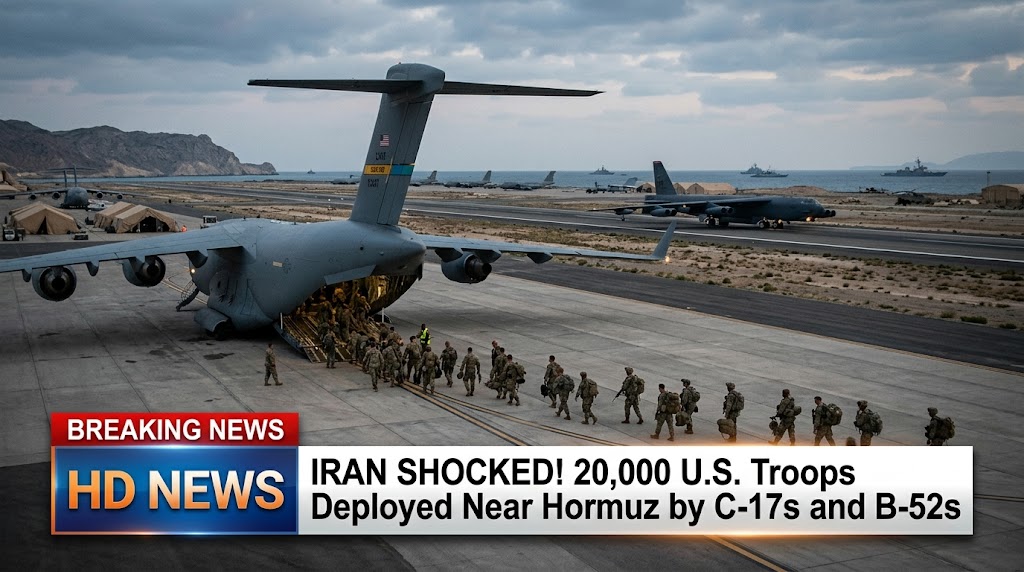
As the US-Israel war with Iran entered its fourth week in late March 2026, the Trump administration quietly sent Tehran a comprehensive 15-point proposal aimed at ending the conflict. The plan was delivered indirectly through Pakistani intermediaries, reflecting Washington’s growing urgency to find an off-ramp amid mounting economic costs and continued military operations.
According to multiple officials briefed on the diplomacy, the 15-point framework addresses core US and Israeli concerns: a complete rollback of Iran’s nuclear program, strict limits on its ballistic missile capabilities, restrictions on support for regional proxy groups, and the full reopening of the Strait of Hormuz — the vital waterway through which roughly one-fifth of global oil pᴀsses. In exchange, the proposal reportedly includes phased sanctions relief and other economic incentives.
The delivery came via Pakistan, whose army chief and Prime Minister Shehbaz Sharif have positioned Islamabad as a key mediator. Pakistan has publicly offered to host direct or indirect talks between Washington and Tehran. Other countries, including Egypt and Turkey, have also expressed willingness to facilitate negotiations.
Trump’s Optimism vs. Iran’s Firm Rejection
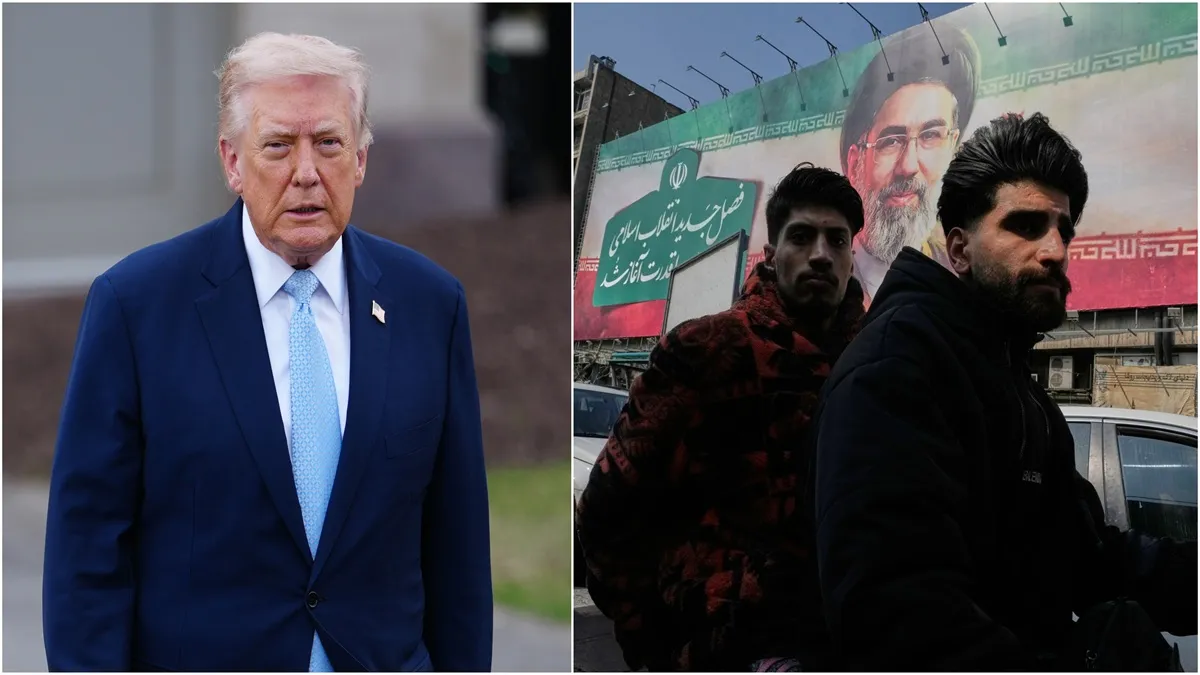
President Donald Trump has repeatedly signaled progress in behind-the-scenes efforts. On March 24-25, he described conversations with Iranian channels as “very good and productive,” even postponing threats to strike Iranian power plants. Trump suggested Iran had made important concessions and that a one-month ceasefire could pave the way for broader negotiations.
However, Iranian officials have categorically denied any meaningful talks with the United States. State media, including Press TV, reported that Tehran received the US proposal but dismissed it as “excessive” and one-sided. A senior Iranian source told Reuters the plan was being treated only as a possible basis for discussion, while publicly Iran maintained there were “no negotiations whatsoever.”
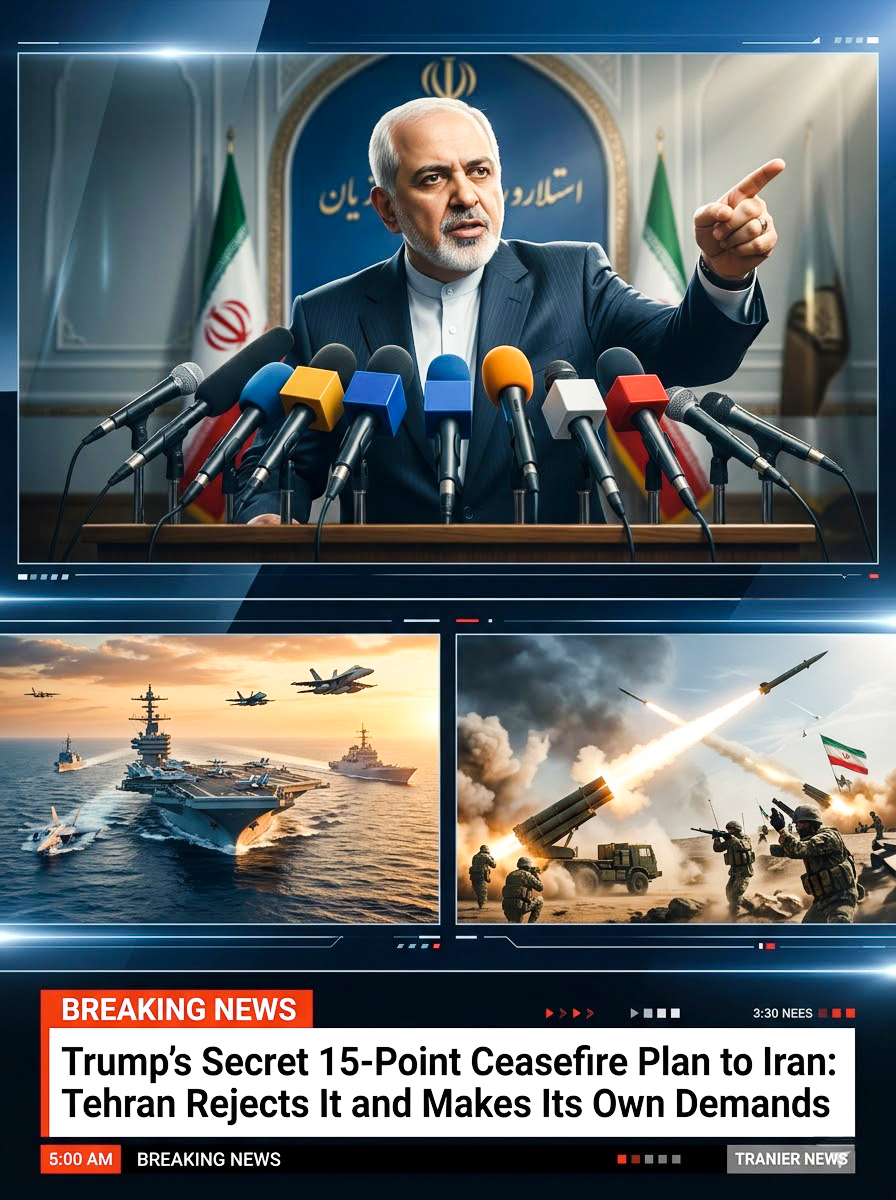
In response, Iran issued its own counterproposal, outlining five main conditions for ending the war:
Immediate end to all US and Israeli aggression against Iran and its allied resistance groups in Lebanon, Iraq, and Yemen.
Strong international guarantees and mechanisms to prevent the war from recurring.
Payment of reparations and compensation for damages caused by the conflict.
A comprehensive ceasefire across all fronts, including proxy battles.
Full international recognition of Iranian sovereignty over the Strait of Hormuz.
Iranian leaders, including those in the new leadership structure following the death of Supreme Leader Ayatollah Ali Khamenei, have emphasized that any deal must respect Iran’s dignity and security interests. Hardline elements within the Islamic Revolutionary Guard Corps (IRGC) appear particularly skeptical of US intentions.
Key Elements Reportedly in the US 15-Point Plan
While the full text of the proposal has not been publicly released, sources familiar with its broad outlines indicate it includes:
Dismantling or severe restrictions on Iran’s main nuclear facilities (Natanz, Fordow, and others).
Limits on ballistic missile development and stockpiles, with usage restricted to defensive purposes only.
Reduced Iranian support for groups such as Hezbollah, the Houthis, and Shia militias in Iraq.
Guaranteed safe and unrestricted pᴀssage through the Strait of Hormuz for international shipping.
Phased lifting of certain sanctions tied to verifiable compliance.
Possible security arrangements involving regional actors.
Diplomats familiar with earlier US-Iran nuclear talks in 2025 noted that parts of the current 15-point plan appear to build on — or reuse — previous frameworks that Iran had already found difficult to accept.
Ongoing Military Reality
Despite diplomatic maneuvering, fighting has not stopped. Iran continued launching missile and drone attacks on Israeli targets and US-linked sites in the Gulf. Israel expanded operations against Hezbollah in southern Lebanon. The United States, meanwhile, has been reinforcing its military presence with additional troops, including elements of the 82nd Airborne Division and more Marines.
The economic impact remains severe. Restrictions and threats around the Strait of Hormuz have caused volatility in global oil markets, affecting energy prices worldwide. Both sides appear to be balancing military pressure with diplomatic signaling.
Uncertain Path Forward.
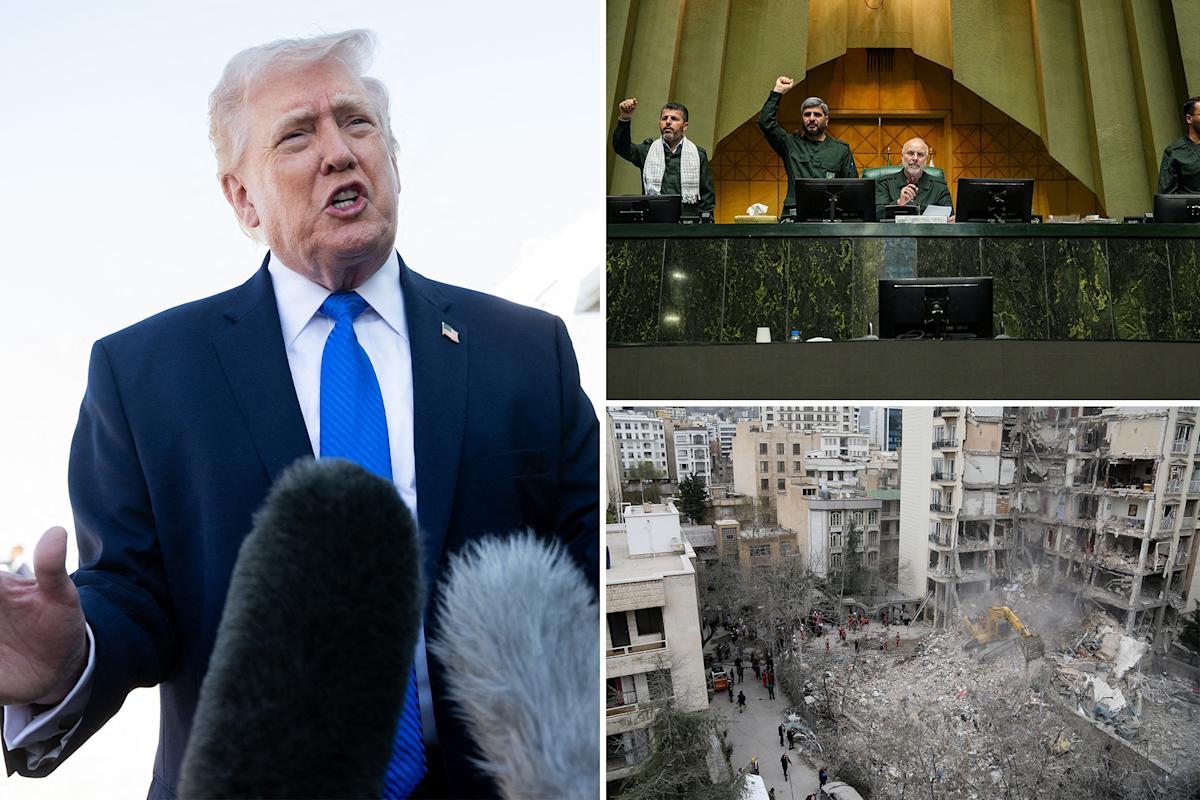
Pakistan has said talks could potentially occur within days if Iran agrees to the venue. However, deep mistrust persists. Iran questions US sincerity after the initial “decapitation” strikes of Operation Epic Fury that killed Supreme Leader Khamenei. The US side insists any agreement must permanently prevent Iran from acquiring nuclear weapons.
As mediation efforts continue through Pakistan and possibly other channels, analysts warn that time is limited. Prolonged conflict risks wider regional escalation, greater humanitarian suffering, and deeper damage to the global economy.
Whether the 15-point plan serves as a genuine foundation for peace or merely another round of rejected proposals will likely become clearer in the coming days. For now, the gap between Washington’s optimism and Tehran’s hardline counter-demands remains wide.