A dramatic escalation has emerged in the Middle East conflict after Iran reportedly launched one of its most powerful ballistic weapons — the Sejjil missile — during the latest wave of attacks linked to the ongoing confrontation with Israel and regional U.S. forces.
Military analysts say the deployment of this missile signals that the conflict is entering a more intense and technologically advanced stage.
🔥 First Combat Use in the Current War:
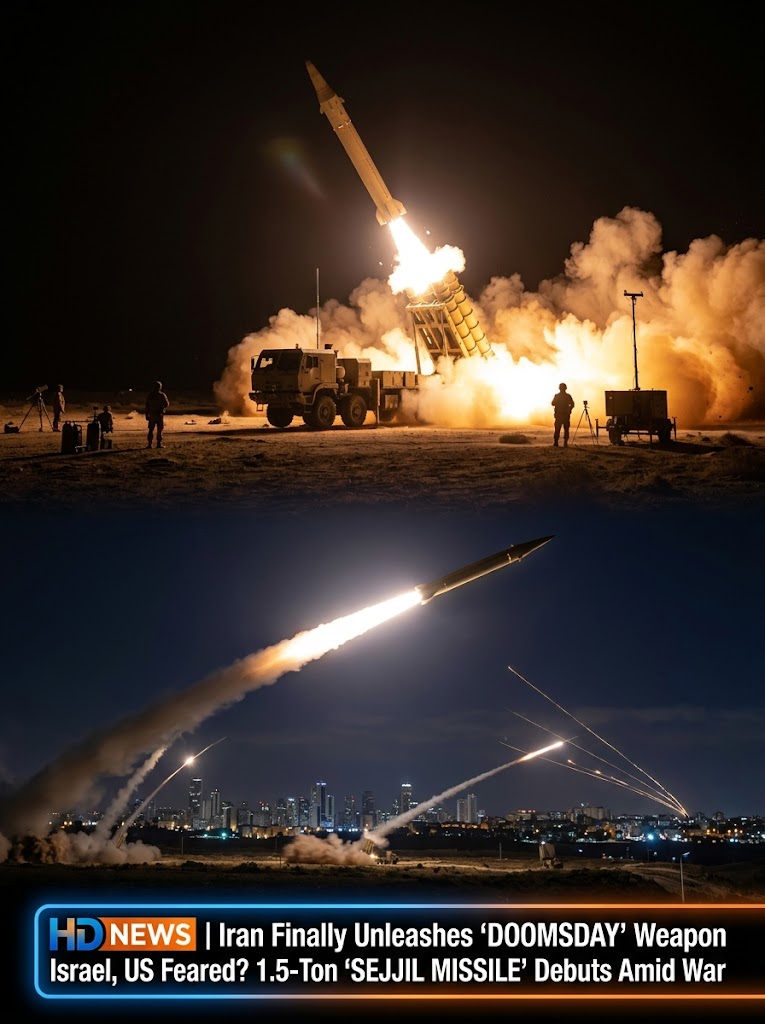
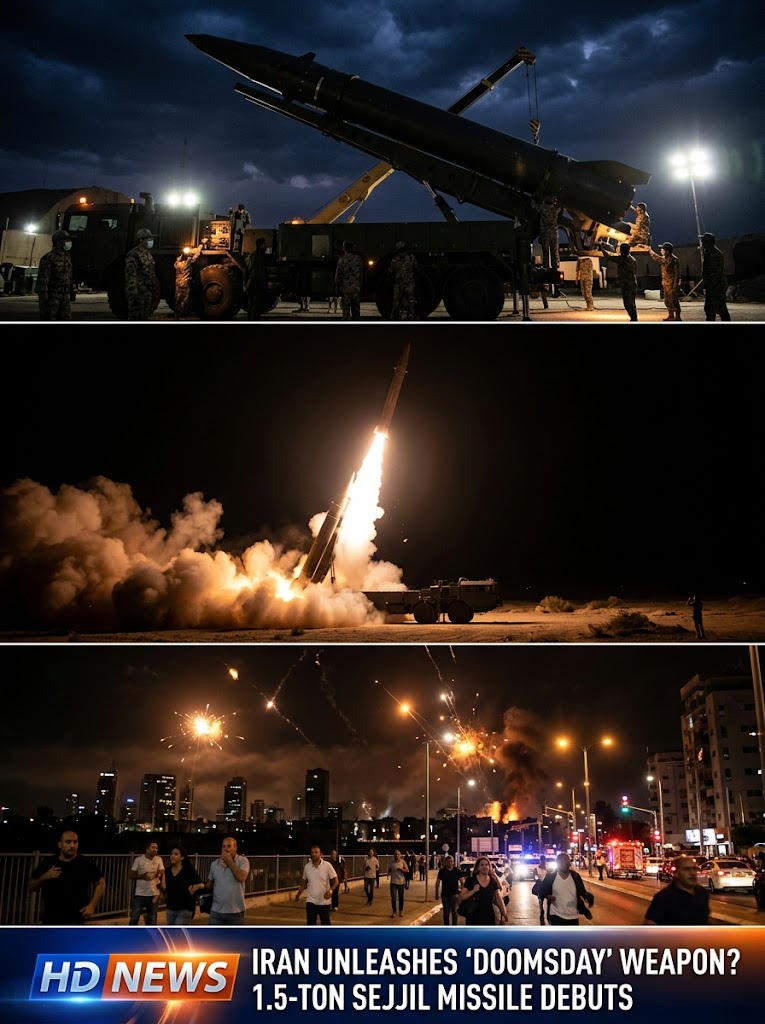
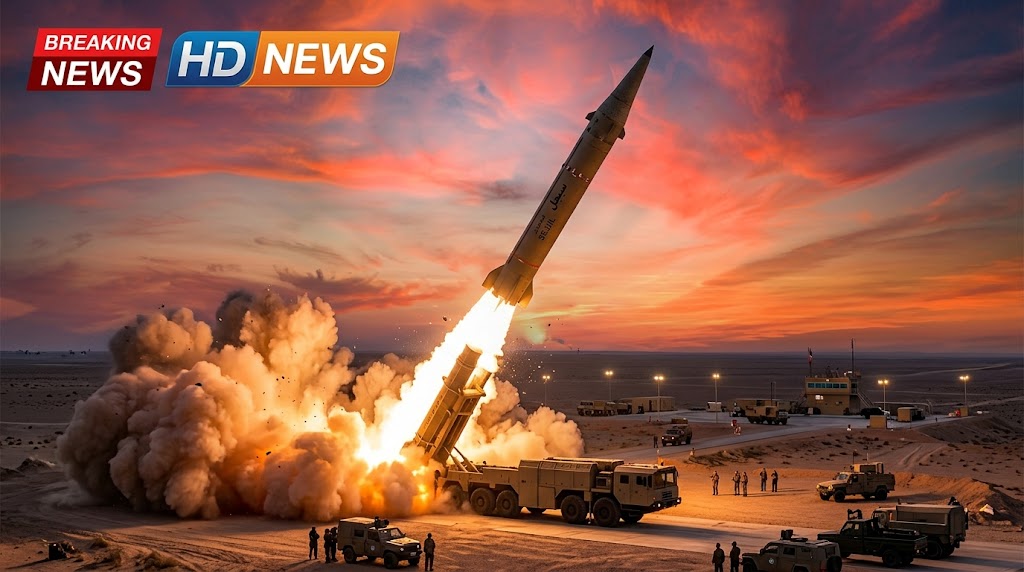
Iranian officials stated that the Sejjil missile was fired as part of a large strike wave against Israeli targets, marking the first known use of this system since the latest war began.
The Sejjil is a two-stage, solid-fuel ballistic missile capable of reaching targets up to 2,000–2,500 kilometers away, placing most of the Middle East within its strike range.
⚠️ Why the Sejjil Is So Feared:
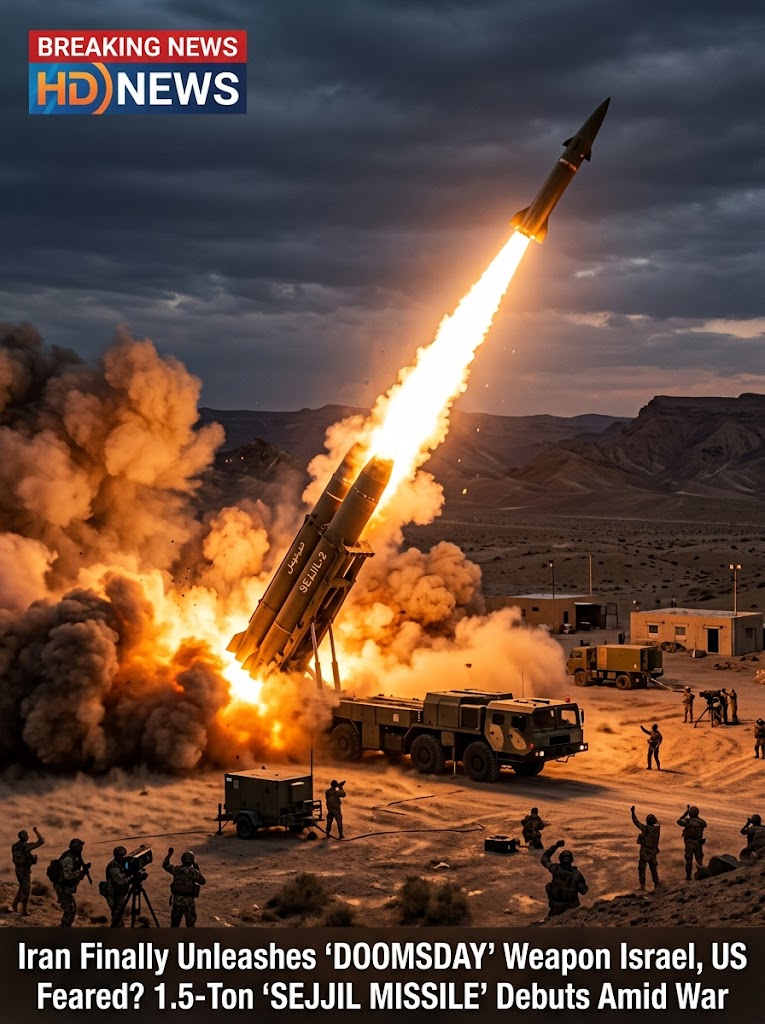
Unlike older missiles that require fueling before launch, the Sejjil uses solid fuel, meaning it can be launched much faster and with far less warning. Analysts say this makes it significantly harder for missile defense systems to detect and intercept in time.
The missile can carry a heavy warhead estimated around 1,000 kilograms or more, capable of causing large-scale damage if it penetrates defenses.
💥 Part of a Larger Missile Barrage:
Iranian forces reportedly launched the Sejjil alongside other ballistic systems during a new wave of strikes in what officials described as a broader retaliatory campaign targeting Israeli command centers and military infrastructure.
🌍 War Expanding Across the Region:
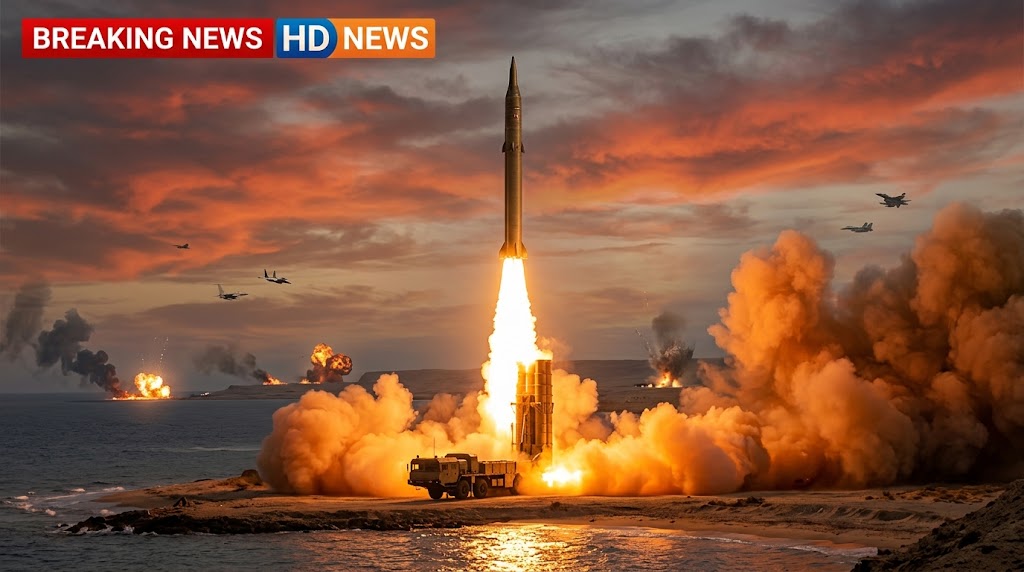
The launch comes as the conflict between Iran, Israel, and the United States continues to intensify, with missile strikes, drone attacks, and air raids reported across multiple countries in the region.
Defense experts warn that the use of longer-range and heavier ballistic missiles like the Sejjil could significantly raise the stakes of the conflict, potentially drawing more regional powers into the crisis.
⚡ Strategic Signal:
If confirmed, the deployment of the Sejjil suggests that Iran may now be reserving its most powerful missile systems for the later stages of the war, signaling that the confrontation could become even more dangerous in the days ahead.