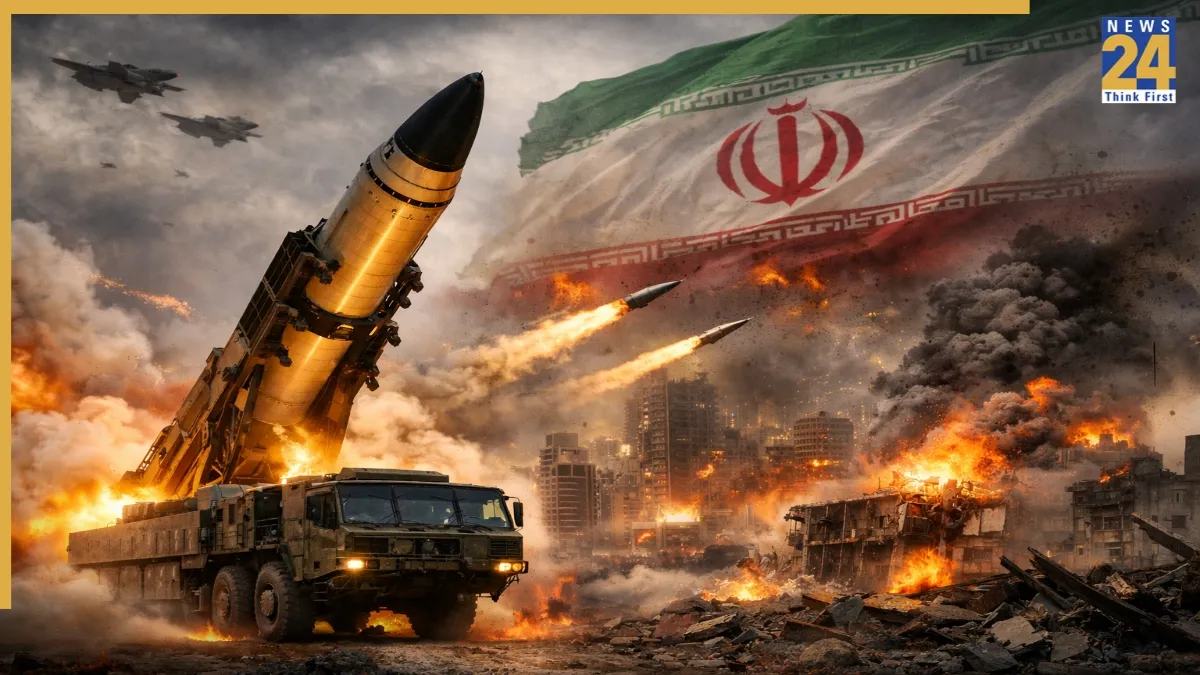
Recent missile launches attributed to Iran have intensified tensions across the Middle East, drawing widespread international concern and increasing fears of broader regional escalation. Reports indicate that several ballistic missiles were fired toward strategic and urban areas during ongoing confrontations, causing significant structural damage and numerous casualties. In one of the most serious incidents, projectiles struck residential zones in southern Israel, injuring dozens of civilians and damaging multiple buildings, highlighting the risks faced by densely populated communities amid military exchanges.
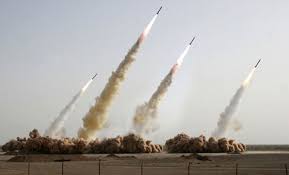
Analysts suggest that these launches demonstrate both the growing range and evolving strategy of Iran’s missile capabilities. Some recent strikes have reportedly targeted military installations far from Iran’s borders, including attempts toward a joint U.S.–U.K. base in the Indian Ocean, signaling a shift toward longer-range deterrence measures. The broader conflict has also seen threats to vital energy routes such as the Strait of Hormuz, a critical artery for global oil supplies, further raising economic and security concerns worldwide.
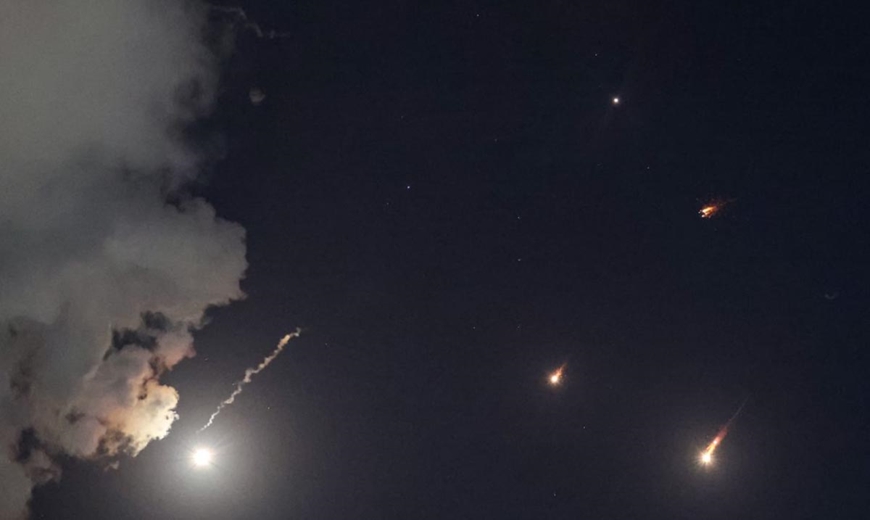
Iran has described many of its missile operations as retaliatory responses to prior military actions, while opposing nations accuse Tehran of increasing instability and endangering civilians. The situation remains fluid, with diplomatic efforts continuing alongside military preparedness across the region. As tensions persist, experts warn that sustained missile exchanges could reshape regional security dynamics and significantly impact global energy markets, humanitarian conditions, and geopolitical alliances in the months ahead.